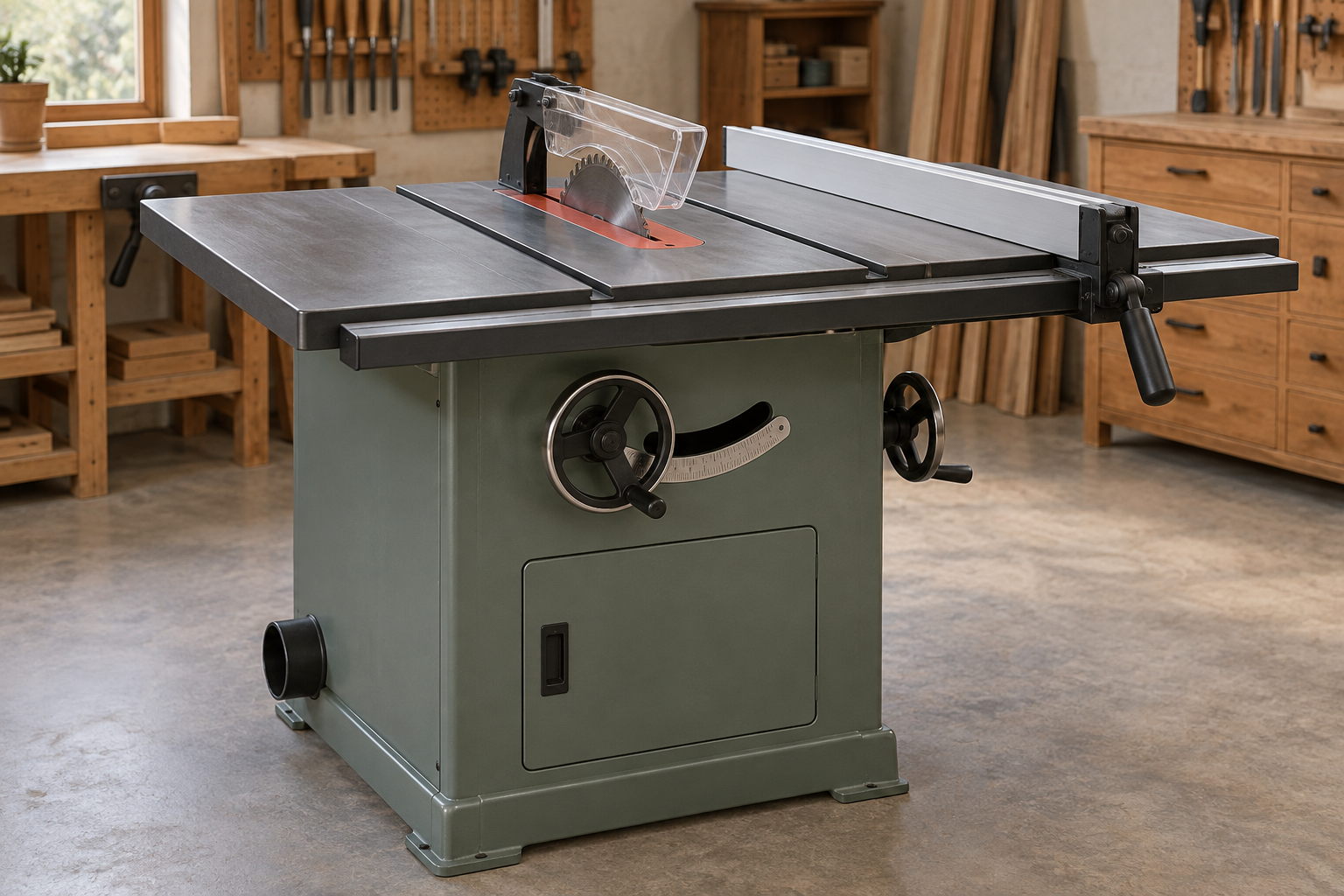
Best Table Saws for Milling Long Narrow Components
What's inside
As an Amazon Associate I earn from qualifying purchases. This post may contain affiliate links at no extra cost to you.
Long, narrow parts—table legs, rails, cleats, trim, drawer components, and rips from wide boards—put more demand on a table saw than their size suggests. The cut may be only 1 or 2 inches wide, but the workpiece can be 6 feet long and too flexible to stay flat against the fence. That is where burning, wandering cuts, kickback, and inaccurate joinery begin.
The best saw is not simply the one with the largest motor. You need a rigid rip fence, a stable stand or cabinet, enough table support, and a way to keep the stock controlled before and after the blade. For repeated work, a stationary cabinet saw is the most capable choice. For occasional projects, a good contractor saw can do the job if you build adequate support around it.
Contents
What Makes a Table Saw Good for Long Narrow Stock
Look first for a fence that locks firmly at both ends and stays parallel to the blade. A fence that shifts by even 1/32 inch can make a long rip taper noticeably. The table should be flat, with minimal gap between the cast-iron top and the extension wings. Narrow pieces tend to catch on a height difference at the transition.
A 30-inch rip capacity is enough for most furniture parts, but capacity is not the same as support. A 6-foot rail does not prevent a 6-foot board from sagging. Plan on using an outfeed table and side support that are level with, or slightly below, the saw table. For stock longer than about 5 feet, support the infeed side as well if the piece is difficult to balance.
Choose a saw with a riving knife that rises and falls with the blade. It keeps the kerf from closing on the blade and is especially valuable when ripping long boards. A full blade guard is preferable when the cut allows it. Remove the guard only when a particular operation requires it, and reinstall it immediately afterward.
The Best Saw Types for the Job
| Saw type | Best use | Advantages | Limitations |
|---|---|---|---|
| Cabinet table saw | Frequent milling and accurate furniture parts | Rigid table, strong fence, low vibration, excellent dust collection | Highest cost; heavy and difficult to move |
| Contractor table saw | Serious home shops and occasional long rips | Good accuracy, lower price, easier to relocate | Usually needs added outfeed and side support; more exposed motor and dust |
| Portable jobsite saw | Infrequent work or limited shop space | Affordable, compact, quick setup | Small table, lighter fence, more vibration, limited long-stock support |
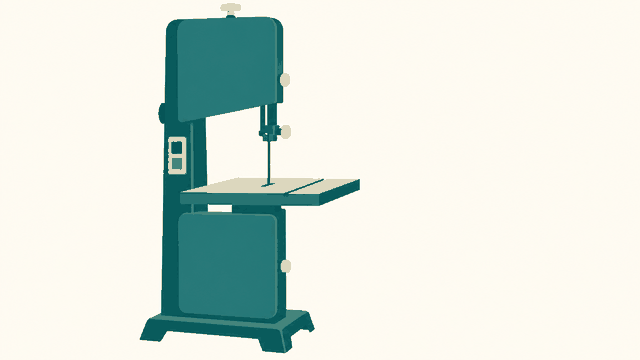
| Band saw | Curved cuts and resawing rather than straight ripping | Safer for some narrow curved work; handles thick stock | Usually less accurate for long straight edges without careful setup |
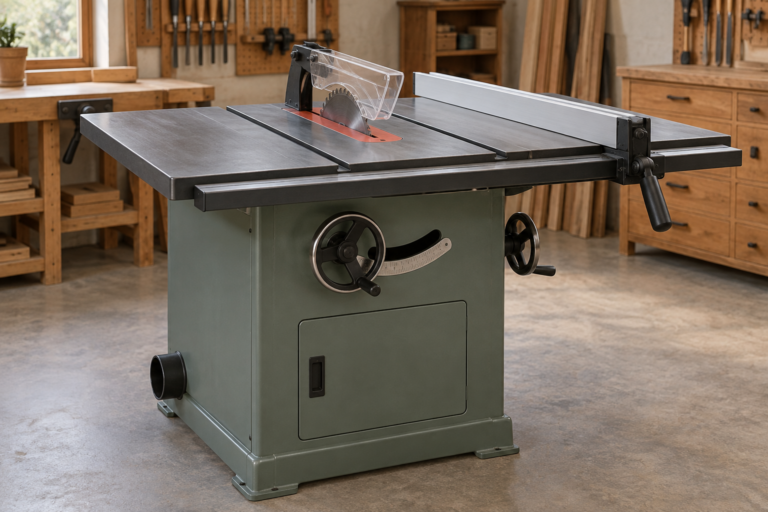
A cabinet saw is the best choice when you mill long parts every week. Its weight—often several hundred pounds—reduces movement while pushing a long board, and the large cast-iron surface gives the stock a better reference. A quality cabinet table saw with a 30-inch rip capacity is a sensible target for a permanent shop.
A contractor saw is the better value for many woodworkers. It can produce cabinet-quality parts, but you will spend more time tuning the fence, aligning the blade, and building support. The cheaper option is fine when you mill a few projects per month rather than processing stock all day.
Portable saws can work, but their built-in supports are often too short or narrow for long components. If you choose one, prioritize a rack-and-pinion or otherwise rigid fence, a metal table where possible, and a stand that does not rock. A jobsite table saw with a folding stand is convenient, but it still needs an outfeed table for safe, accurate long rips.
Setup for Accurate Long Rips
Before cutting, check that the blade is parallel to the miter slot and that the fence is parallel to the blade. The fence can be set a fraction wider at the back—roughly 1/64 inch—on some saws to reduce binding, but excessive toe-out hurts accuracy. Use a sharp rip blade with 24 to 30 teeth for thick solid wood, or a 40-tooth combination blade for general furniture work.
Support should begin before the workpiece reaches the blade. An infeed roller or long auxiliary table prevents the board from dropping and lifting against the fence. Behind the blade, use an outfeed table at the same height as the saw or no more than 1/16 inch lower. Side support is equally important when the offcut is wide or the workpiece is flexible.
For narrow strips, clamp a tall, straight auxiliary fence to the factory fence. It gives your hand a larger, safer reference and helps keep thin stock vertical. Keep hands at least 6 inches from the blade; use a push stick for pieces under about 12 inches wide, and use a push block when the stock is narrow enough that your hand would pass over the blade path.
Common Failure Modes
Burn marks usually mean a dull blade, a pinched kerf, a misaligned fence, or feeding too slowly. Stop and correct the cause rather than forcing the board through. A board that drifts away from the fence produces a tapered part; pushing it sideways harder only increases the chance of kickback.
Long, thin strips can lift, twist, or fall into the gap around the blade insert. Use a zero-clearance insert when the cut and saw allow it, and avoid ripping stock that is bowed toward the fence. Joint one edge first, then place that straight edge against the fence. If the board rocks, straighten it before sawing.
When repetitive parts are required, an adjustable featherboard and push-block kit can improve consistency. Set the featherboard before the blade, not beside it, so it holds the stock against the fence without trapping the cut-off. For very narrow strips, a dedicated thin-rip jig may be safer and more repeatable than measuring from the fence each time.
When a Band Saw Is Better
A band saw is the better machine for curved legs, rough resawing, and parts that cannot lie flat on a table saw. It is not automatically safer for every narrow rip: a poorly tensioned blade can wander, and long stock still needs support. Use a table saw when you need a straight, repeatable edge; use the band saw when the cut follows a curve or the material is too thick for practical table-saw work.
For most stationary shops, the practical buying decision is a rigid contractor saw with a reliable fence and substantial support, or a cabinet saw if long-component milling is routine. Spend less on accessories and more on a flat table, accurate fence, proper blade, and solid outfeed support. Those details determine whether the saw produces straight usable parts or merely spins a blade.