Best Router Bits for Aluminum: Clean Cuts and Longer Tool Life
What's inside
- Quick picks by cutting situation
- Single-flute versus multi-flute carbide bits
- Match the bit to the aluminum alloy
- Cutting geometry that controls heat and chatter
- Feed and speed: a worked starting calculation
- Setup steps that reduce heat and vibration
- Durability and ownership considerations
- Final buying recommendation
- Related Guides
- Quick picks by cutting situation
- Single-flute versus multi-flute carbide bits
- Match the bit to the aluminum alloy
- Cutting geometry that controls heat and chatter
- Feed and speed: a worked starting calculation
- Setup steps that reduce heat and vibration
- Durability and ownership considerations
- Final buying recommendation
- Related Guides
As an Amazon Associate I earn from qualifying purchases. This post may contain affiliate links at no extra cost to you.
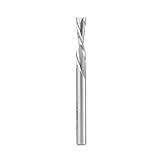
The best router bits for aluminum are sharp, solid-carbide single-flute O-flute bits for maximum chip clearance, while two-flute carbide bits are the better choice when you need a smoother finish, more rigidity, or heavier feed rates.
Aluminum is soft enough to cut with a router but unforgiving of poor chip evacuation. A dull edge, excessive RPM, or a cut that is too shallow to carry chips away can melt aluminum onto the flute, increase friction, and create chatter. The right bit therefore depends on the alloy, stock thickness, machine rigidity, and whether your priority is speed or surface finish.
As an Amazon Associate we earn from qualifying purchases at no extra cost to you.


Contents
- Quick picks by cutting situation
- Single-flute versus multi-flute carbide bits
- Match the bit to the aluminum alloy
- Cutting geometry that controls heat and chatter
- Feed and speed: a worked starting calculation
- Setup steps that reduce heat and vibration
- Durability and ownership considerations
- Final buying recommendation
- Related Guides
Quick picks by cutting situation
| Situation | Best bit type | Useful starting specification | Why it fits |
|---|---|---|---|
| Thin 5052 sheet or small engraving router | Single-flute upcut O-flute | 1/8 in shank, 1/8 in cutting diameter, 0.25–0.50 in flute length | Large flute gullets clear chips and reduce heat |
| 6061 plate, brackets, and general-purpose work | Two-flute carbide upcut | 1/4 in shank, 1/4 in diameter, 0.50–0.75 in flute length | Balances rigidity, finish, and chip clearance |
| Rigid CNC router cutting repeated parts | Two- or three-flute aluminum-specific cutter | 1/4 in shank, 1/4–3/8 in diameter, polished or ZrN-coated | Supports higher feed rates without sacrificing edge life |
| 7075 aluminum or abrasive, high-value work | Premium two-flute carbide, polished or aluminum-specific coated | Short flute length, 30° helix or manufacturer’s aluminum geometry | Maintains a sharp edge while limiting deflection |
| Occasional chamfering or deburring | Single-flute carbide chamfer bit | 45° chamfer, 1/4 in shank | Removes burrs with little material engagement |
Single-flute versus multi-flute carbide bits
Single-flute O-flute bits: the safest starting point
A single-flute bit has one cutting edge and a large open flute. That geometry leaves more room for each chip to exit instead of being recut inside the cut. It is usually the best choice for a handheld trim router, compact CNC machine, thin sheet, and beginners who are still learning to balance feed rate and spindle speed.
Single-flute bits also produce relatively low cutting resistance. That can reduce chatter on a light machine. The trade-off is that the tool removes material with one edge per revolution, so the feed rate must be lower than with a comparable two-flute cutter if the chip load is held constant. A single flute is not automatically cooler: feeding too slowly at high RPM will still rub the aluminum and weld it to the edge.
Two-flute bits: better finish and more productivity
Two-flute aluminum cutters offer more cutting engagement per revolution and can produce a cleaner wall when the machine is rigid and the feed rate is high enough. They are a strong all-around choice for 6061 plate, especially with a 1/4-inch or larger shank that resists deflection.
The disadvantage is reduced flute volume. If the feed is too slow, chips pack into the gullets, heat rises, and the bit can seize in the kerf. A two-flute bit also places more frequent cutting forces into a flexible router, which can increase chatter.
Three-flute bits: a specialized compromise
Three-flute cutters can be productive on a rigid CNC router with a controlled feed rate and adequate chip evacuation. They are less forgiving on handheld routers and small machines because the gullets are smaller and the cutter engages the material more frequently. For most occasional aluminum work, a sharp single-flute or two-flute bit is easier to set up successfully.
Match the bit to the aluminum alloy
5052 and other gummy sheet alloys
5052 is commonly used for formed sheet and can feel sticky during machining. Use a polished single-flute O-flute cutter with generous flute clearance. Keep the bit moving at a genuine cutting feed rather than pausing in the material. A climb cut may leave a clean edge in some setups, but it can pull a handheld router unexpectedly; conventional cutting is the safer default unless the work is securely fixtured.
6061: the general-purpose choice
6061 is usually the easiest aluminum alloy for routing. A sharp single-flute bit gives reliable chip evacuation, while a two-flute bit is preferable for a smoother edge or faster production. For plate thicker than about 1/4 inch, use multiple shallow passes rather than trying to bury the cutter in one pass.
7075 and harder aluminum
7075 is stronger and often more demanding on the cutting edge. Choose a premium solid-carbide bit with a short exposed flute, polished flutes, or a coating intended for nonferrous metals such as ZrN or TiB2. Coating does not compensate for a dull edge or poor setup, and a coated bit costs more to replace, so it makes the most sense for repeated work or expensive parts.
Cutting geometry that controls heat and chatter
- Upcut: pulls chips out of the slot and is usually the best starting geometry. It can lift thin sheet, so clamp the work over its full area.
- Downcut: pushes chips and the work downward, improving the top-edge appearance, but it can trap chips in a pocket and raise heat.
- Compression: useful for some layered sheet goods, but usually unnecessary for solid aluminum.
- O-flute: a broad, polished flute designed to carry large aluminum chips away efficiently.
- Helix angle: moderate helix angles, often around 30°, provide a practical balance of shearing action, chip evacuation, and edge strength.
- Short cutting length: use only as much flute length as the material requires. Extra stick-out increases deflection and chatter.
Prefer solid carbide rather than a high-speed-steel woodworking bit. Carbide stays rigid and sharp at the cutting speeds commonly used by routers, while ordinary woodworking geometry may rub, clog, or lose its edge quickly in aluminum.
Feed and speed: a worked starting calculation
The basic feed-rate formula is:
Feed rate = RPM × number of flutes × chip load.
For example, a two-flute, 1/4-inch aluminum cutter running at 18,000 RPM with a starting chip load of 0.0015 inches per tooth gives:
18,000 × 2 × 0.0015 = 54 inches per minute.
That is a starting calculation, not a universal setting. A small trim router, shallow slot, rigid CNC gantry, and handheld edge cut all require different adjustments. If the machine cannot maintain 54 inches per minute, reduce RPM or use a single-flute bit rather than crawling slowly at 18,000 RPM. If chips are tiny and the edge becomes hot, the cutter is likely rubbing. If the router chatters, inspect workholding, stick-out, depth of cut, and machine rigidity before simply increasing speed.
Setup steps that reduce heat and vibration
- Secure the material completely. Clamp aluminum close to the cut while leaving room for the router base. Thin sheet needs a sacrificial backing board or broad clamping surface to prevent vibration.
- Minimize tool projection. Seat the shank deeply in the collet without bottoming it out. Keep the exposed length as short as the cut permits.
- Start with shallow passes. For a 1/4-inch bit, begin around 0.025–0.060 inch per pass on a light router. A rigid CNC may take deeper cuts, but test cuts should establish the machine’s actual limit.
- Use chip evacuation. Direct compressed air, a strong vacuum arrangement designed for metal chips, or frequent clearing can prevent recutting. Keep chips away from ignition sources and follow the router and dust-collection manufacturer’s guidance.
- Make a test cut. Examine the chip size, edge finish, sound, and temperature. A clean metallic chip is preferable to powder, smeared aluminum, or blue-hot discoloration.
- Finish with a light pass. A final 0.010–0.020 inch cleanup pass can improve the edge, provided the bit remains sharp and the workpiece cannot move.
Use cutting fluid only if the tool and machine manufacturer permit it and the setup can safely manage the fluid. A suitable aluminum-cutting lubricant can reduce adhesion, but an improvised spray near electrical equipment or a high-speed router introduces its own risks. Dry cutting with air and effective chip removal is often simpler for small routing jobs.
Durability and ownership considerations
The cutting edge usually fails before the carbide body does. Aluminum buildup on the flute, chipped corners from entering a clamp, and vibration from loose workholding are common causes of premature failure. Clean the bit after use with a non-abrasive solvent approved for the tool, and remove stuck aluminum with a soft brass or plastic tool rather than striking the carbide.
Inspect the collet as well as the bit. A worn or contaminated collet can cause runout, which makes one flute do most of the work and quickly creates chatter. Replace or service the collet when a properly tightened bit still visibly wobbles. Store bits separately so their cutting edges do not contact one another.
Budget solid-carbide aluminum bits commonly cost about $15–$35, while premium polished or coated cutters often run about $30–$90 depending on diameter and shank size. For occasional work, a sharp single-flute bit and correct setup usually provide better value than an expensive multi-flute cutter used at an unsuitable feed rate.
Final buying recommendation
Choose a 1/4-inch-shank, solid-carbide single-flute O-flute bit for the broadest compatibility with small routers, 5052 sheet, and occasional 6061 work. Move to a two-flute polished or aluminum-specific cutter when your machine is rigid, your work is securely clamped, and you need a better finish or higher production rate. For 7075, repeated cuts, or expensive parts, prioritize a short, sharp, premium cutter and spend equal attention on chip load, shallow passes, and chip evacuation.