Best Metal Raised Garden Beds
What's inside
- Best metal raised garden beds compared
- Galvanized steel: the best all-purpose choice
- Coated metal: the appearance-focused compromise
- Aluminum: best for wet and coastal locations
- Dimensions and soil: the numbers that change the decision
- Assembly, drainage, and structural details
- What wears out first
- Final buying recommendation
- Best metal raised garden beds compared
- Galvanized steel: the best all-purpose choice
- Coated metal: the appearance-focused compromise
- Aluminum: best for wet and coastal locations
- Dimensions and soil: the numbers that change the decision
- Assembly, drainage, and structural details
- What wears out first
- Final buying recommendation
As an Amazon Associate I earn from qualifying purchases. This post may contain affiliate links at no extra cost to you.
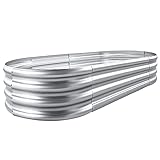
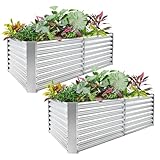
The best metal raised garden beds for most gardens are thick, galvanized steel beds with a food-safe coating or finish, but aluminum is the better choice for coastal climates and coated metal is often the best value for decorative, low-to-medium-height beds.
The right choice depends less on appearance than on four practical questions: how long the bed must last, how much soil it will hold, whether it will be moved, and how much heat your plants can tolerate. Galvanized steel offers the strongest balance of price and durability; coated steel adds color and usually a smoother appearance; aluminum resists corrosion exceptionally well but costs more and can dent more easily.
As an Amazon Associate we earn from qualifying purchases at no extra cost to you.

Contents
- Best metal raised garden beds compared
- Galvanized steel: the best all-purpose choice
- Coated metal: the appearance-focused compromise
- Aluminum: best for wet and coastal locations
- Dimensions and soil: the numbers that change the decision
- Assembly, drainage, and structural details
- What wears out first
- Final buying recommendation
Best metal raised garden beds compared
| Bed type | Typical wall thickness | Common dimensions | Approximate empty weight | Corrosion resistance | Heat retention | Typical market range |
|---|---|---|---|---|---|---|
| Galvanized steel | 0.5–0.8 mm | 4 × 2 × 1 ft to 8 × 4 × 2 ft | 20–65 lb | Very good; zinc protects exposed steel | Moderate to high in direct sun | $60–$250 |
| Coated steel | 0.5–0.8 mm | 4 × 2 × 1 ft to 8 × 4 × 2 ft | 25–70 lb | Good while the coating remains intact | Moderate; dark colors run hotter | $80–$300 |
| Aluminum | 1.0–1.6 mm | 4 × 2 × 1 ft to 8 × 4 × 2 ft | 12–40 lb | Excellent; does not rust like steel | Low to moderate | $150–$500 |
These are useful buying ranges rather than universal specifications. Panels, corner posts, braces, bolts, and decorative trim can substantially change the weight and price of a particular bed.
Galvanized steel: the best all-purpose choice
Galvanized steel is usually the best metal raised garden bed material for gardeners who want a durable structure without paying aluminum prices. A zinc layer protects the steel from moisture, and a well-made panel can remain serviceable for many years when it is not constantly exposed to standing water or damaged by tools.
Look for panels at least 0.6 mm thick, reinforced corners, and bolts with corrosion-resistant plating or stainless steel hardware. Beds around 17 to 24 inches high are easier to work in and provide more root depth than 10- to 12-inch models, but they require more soil and may need internal bracing.
Galvanized steel does warm in sunlight. This can help early-season growth in cool climates, but a dark or south-facing bed may dry faster in hot weather. Mulch, drip irrigation, and light-colored exterior finishes reduce the problem. The zinc coating may develop a dull, mottled appearance over time; that is normal weathering rather than immediate structural failure.
Coated metal: the appearance-focused compromise
Coated metal beds are generally steel panels covered with paint, powder coating, or another protective finish. They are a strong choice when the bed will be visible from a patio, walkway, or front yard and you want more color options than plain galvanized steel provides.
The main weakness is that corrosion can begin at scratches, cut edges, bolt holes, and panel seams. A small chip is not automatically a reason to replace the bed, but it should be cleaned, dried, and touched up with a compatible exterior metal coating. Avoid dragging tools along the panels and do not lean heavy timber or masonry against them.
Color affects performance. Black, charcoal, and dark green panels absorb more solar energy than white, silver, or pale gray panels. In a hot climate, choose a lighter finish or position the bed where it receives morning sun and afternoon shade. For a decorative bed under a pergola or near a house, coated steel may provide better visual value than uncoated galvanized steel.
Aluminum: best for wet and coastal locations
Aluminum is the best corrosion-resistance choice for gardens exposed to salt air, frequent irrigation, or persistently damp conditions. It does not form the red rust associated with unprotected steel, and its low weight makes it easier to assemble or relocate.
That lightness is also its limitation. Thin aluminum can flex, dent, or bow under soil pressure. Choose thicker panels, folded edges, substantial corner posts, or horizontal braces for beds taller than 18 inches. Aluminum fasteners should be selected carefully because incompatible metals can accelerate galvanic corrosion in wet conditions.
Aluminum usually transfers heat quickly but does not store as much heat as heavier steel. It can still become hot in full sun, especially with a dark coating, but its lower mass generally means less retained heat after sunset. The higher purchase price makes the most sense when longevity, low weight, or salt resistance matters more than initial cost.
Dimensions and soil: the numbers that change the decision
Width is more important than many buyers expect. A bed wider than about 4 feet is difficult to reach from both sides without stepping into it. A 2-foot-wide bed works beside a wall, while a 3- to 4-foot-wide bed is efficient in an open area.
To estimate soil, multiply length by width by height in feet. A 6 × 3 × 1.5-foot bed holds:
6 × 3 × 1.5 = 27 cubic feet
Because soil settles and some space is occupied by plants and mulch, plan to buy roughly 10% more than the calculated volume, or about 30 cubic feet in this example. That is approximately 1.1 cubic yards. A tall bed can cost more to fill than the metal frame itself, so compare total installed cost rather than panel price alone.
| Situation | Recommended size | Best material choice | Reason |
|---|---|---|---|
| Small balcony or narrow side yard | 2–4 × 1.5–2 × 1 ft | Light aluminum or thin galvanized steel | Easier to move and limits soil load |
| General vegetable garden | 6–8 × 3–4 × 1–1.5 ft | 0.6–0.8 mm galvanized steel | Good access, capacity, and durability |
| Reduced-bending gardening | 4–8 × 2–4 × 2 ft | Braced galvanized or coated steel | Deeper working height and strong soil retention |
| Coastal or constantly wet site | 4–8 × 2–4 × 1–2 ft | Thick aluminum | Best resistance to salt and persistent moisture |
| Lowest initial budget | 4–6 × 2–3 × 1 ft | Galvanized steel | Lower frame cost and modest soil requirement |
Assembly, drainage, and structural details
Most metal raised beds use interlocking panels, corner posts, bolts, and sometimes top rails or braces. Assembly is easier when the frame is built on level ground before it is filled. Do not fully tighten every bolt until the corners are square; tightening too early can lock the frame into a parallelogram shape.
Metal raised beds normally have no bottom. That allows roots and excess water to move into the native soil. If the site has poor drainage, improve the ground beneath the bed rather than sealing the bottom with a solid sheet. A landscape fabric layer can reduce weed growth, but it should be permeable. Do not add gravel simply because it is described as a drainage layer; in a shallow bed, it reduces planting volume without reliably improving drainage.
For beds taller than roughly 18 inches, check for internal braces or a reinforced frame. Wet soil is heavy: a 27-cubic-foot bed can contain well over 1,000 pounds of growing medium depending on moisture and soil composition. Tall, narrow panels are more likely to bow than broad panels with a top rail.
What wears out first
- Coating damage: Scratches and chipped edges are the first concern with painted or powder-coated steel.
- Fasteners: Cheap bolts can rust before the panels do. Replace them with compatible exterior-rated hardware when needed.
- Thin-panel distortion: Overfilled beds, frozen saturated soil, or missing braces can bend lightweight panels.
- Standing water: Water trapped against the outside bottom edge accelerates corrosion, especially where galvanized steel has been cut or drilled.
- Soil contact and weeds: Soil piled against the exterior keeps the lowest edge damp and makes inspection difficult.
At the end of each growing season, remove plant debris, rinse accumulated fertilizer salts, and inspect seams and fasteners. Keep the soil level slightly below the top edge so rain does not wash soil over the outside wall. Never use a metal shovel as a lever against a coated panel.
Final buying recommendation
Choose a galvanized steel bed with panels of at least 0.6 mm, reinforced corners, and a width no greater than 4 feet if you want the best overall balance. Choose coated steel when appearance and color are priorities, but budget for occasional touch-up work. Choose aluminum when the garden is near the coast, the site stays wet, or the bed must be moved regularly.
Before ordering, verify the assembled dimensions rather than the panel dimensions, confirm whether the stated height includes legs or decorative rails, check that drainage is open to the ground, and calculate the soil volume. The best metal raised garden beds are not necessarily the tallest or most attractive ones; they are the beds whose wall strength, corrosion protection, access width, and soil cost match the site.