Best Bourbon Glasses for Aroma and Flavor
What's inside
As an Amazon Associate I earn from qualifying purchases. This post may contain affiliate links at no extra cost to you.
The best bourbon glasses for most neat pours are a tulip-shaped Glencairn-style glass, while a heavy rocks glass is the better choice for ice, large cubes, and bourbon cocktails.
Contents
Quick picks by the way you drink bourbon
| Drinking situation | Best glass type | Useful capacity | Why it fits | Main compromise |
|---|---|---|---|---|
| Neat pour and aroma comparison | Tulip nosing glass, such as a Glencairn-style glass | 150–200 ml (5–6.75 oz) | Narrow rim concentrates volatile aromas; wide bowl allows swirling | Less stable and less suitable for large ice |
| Neat bourbon with a more open nose | Stemmed copita or whisky tasting glass | 160–220 ml (5.4–7.4 oz) | Longer stem keeps fingers away from the bowl and the rim is controlled | More delicate and formal |
| On the rocks | Old Fashioned or double rocks glass | 250–350 ml (8.5–12 oz) | Wide base accommodates ice and gives a stable, relaxed sip | Disperses aroma more quickly |
| Old Fashioned, Manhattan, or other cocktails | 10–12 oz rocks glass or small stemmed cocktail glass | 295–355 ml (10–12 oz) | Leaves room for ice, dilution, and garnish without crowding | Large bowls can make a short drink look undersized |
| Frequent washing and everyday use | Machine-washable soda-lime or crystal glass | 200–350 ml (6.75–12 oz) | Lower replacement cost and fewer concerns about delicate rims | Usually less thin and refined than premium crystal |
What makes a bourbon glass work?
A glass changes how quickly bourbon reaches your nose, how much alcohol vapor arrives with the aroma, and how the drink feels at the lips. The most important variables are shape, rim diameter, bowl volume, and base stability—not simply whether the glass is labeled “whiskey glass.”
As an Amazon Associate we earn from qualifying purchases at no extra cost to you.
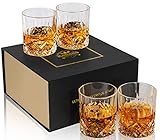
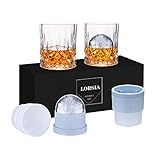


Shape and aroma
A tulip-shaped bowl is the strongest choice for evaluating a neat bourbon. Its lower bowl provides surface area for aromas to develop, while the narrower upper section gathers those aromas near the rim. A Glencairn Whisky Glass is the best-known example of this form. Similar copita and nosing glasses provide the same basic effect with variations in stem length and bowl profile.
A wide, straight-sided rocks glass is less focused. That is a disadvantage for detailed aroma comparison, but an advantage when you want a generous sip, a large cube, or a cocktail with a broad garnish. The open rim also allows more of the bourbon’s flavor to arrive without as much concentrated alcohol vapor.
Some modern tasting glasses, including the NEAT glass, use a broad, unconventional bowl intended to reduce the perception of harsh alcohol while keeping enough shape for nosing. These can be interesting alternatives, but the fit is personal: a narrower tulip is more consistent for side-by-side tasting, whereas a broad bowl can feel more relaxed and open.
Rim diameter and drinking comfort
A rim around 40–50 mm (1.6–2 inches) generally works well for neat bourbon. A smaller opening concentrates aroma but can direct alcohol vapor sharply toward the nose. A wider opening is easier to sip from and better for rocks drinks, but it lets aromas disperse more quickly.
Look for a rim that is smooth and reasonably thin. A very thick rolled rim is durable, but it can make a neat pour feel blunt. An extremely thin rim improves precision yet is more likely to chip if glasses are stacked, knocked against a sink, or washed beside heavy cookware.
Crystal versus ordinary glass
“Crystal” is not one single material. Lead crystal contains lead oxide and is valued for brilliance, weight, and its ability to be cut into decorative patterns. Lead-free crystal commonly uses compounds such as titanium or zirconium to produce clarity and strength without lead. Soda-lime glass is the inexpensive, familiar material used in many everyday tumblers.
- Lead-free crystal: Often the best balance for bourbon glasses. It can be thin, clear, bright, and relatively durable, although quality varies.
- Lead crystal: Attractive and weighty, especially for cut rocks glasses. Do not use it for long-term storage of spirits; serve bourbon in it and wash it afterward.
- Soda-lime glass: Usually the most economical and practical choice for large sets, frequent replacement, and rougher household use.
- Borosilicate glass: Useful when thermal shock resistance matters, though it is more common in specialty drinkware than traditional whiskey tumblers.
Material alone does not determine safety or longevity. A thick soda-lime tumbler can outlast a thin premium crystal glass, while a well-made lead-free crystal glass may feel lighter and more refined than an inexpensive thick tumbler.
Head-to-head: the main bourbon glass styles
Glencairn-style nosing glass
Choose this for neat pours, tasting flights, and learning to identify aroma differences. Its typical 175–200 ml capacity is much larger than the 30–60 ml serving normally poured, so the bowl has room for swirling without making the drink look lost. The short solid base is more stable than a stem, but the narrow opening makes it awkward for bulky ice.
A Glencairn Whisky Glass is a sensible first purchase because it is widely available, inexpensive in sets, and easy to replace. Its main limitation is that the small rim can emphasize ethanol on high-proof bourbon if you smell too aggressively. Letting the pour rest for a minute and adding a few drops of water can make evaluation more comfortable.
Rocks glass
Pick a rocks glass for bourbon over one large cube, two or three smaller cubes, or an Old Fashioned. A capacity of 250–350 ml gives the ice enough room without forcing the drink above the rim. The heavy base also resists tipping and slows warming slightly when the glass is placed on a table.
Riedel, Spiegelau, Schott Zwiesel, and many barware makers offer rocks glasses in several forms. Cut patterns look traditional but add exterior weight and can make the glass harder to inspect for residue. A plain, thick-bottomed tumbler is often the more practical choice for daily use.
Stemmed copita
A copita combines a tulip bowl with a stem, making it particularly useful for focused tasting. The stem reduces fingerprints and prevents your hand from warming the bowl. It is a strong option for a serious tasting setup, especially when comparing several bourbons at once.
The trade-off is durability. A stem can snap when glasses are stored too close together or placed in a crowded dishwasher. If you choose one, buy a model with a sturdy transition between bowl and stem and keep it separate from heavy cookware.
Double-wall or specialty glasses
Double-wall glasses can stay comfortable in the hand and create a striking visual effect, but they are not automatically better for aroma. Their larger exterior dimensions may make them less stable, and the sealed construction can be vulnerable to impact or dishwasher heat. Treat these as design-led choices rather than essential tasting equipment.
Decision matrix: which glass should you buy?
| Your priority | Recommended choice | Target specifications |
|---|---|---|
| Budget under roughly $25 for a set | Basic tulip glasses or plain rocks tumblers | Soda-lime glass, 175–300 ml capacity, smooth rim |
| One glass for neat and occasional ice | Medium tulip glass with a stable base | 180–250 ml capacity, 45–55 mm rim, dishwasher-safe if possible |
| Frequent neat tasting | Glencairn-style glass or copita | 150–220 ml capacity, narrow 40–50 mm rim, thin polished lip |
| Frequent cocktails and entertaining | Plain double rocks glasses | 295–355 ml capacity, thick base, wide opening, stackable shape |
| Limited cabinet space | One 200–250 ml tulip glass per person | Short base, nesting design, no oversized decorative bowl |
| Gift or formal bar setup | Lead-free crystal copitas or premium rocks glasses | Thin polished rim, clear glass, replacement availability |
Capacity, pour size, and a common buying mistake
A 200 ml tasting glass does not imply that you should fill it. For a 45 ml (1.5 oz) neat pour, the liquid occupies only 22.5% of a 200 ml bowl. That empty space is useful: it leaves room for aroma and prevents the bourbon from sloshing over the rim when swirled.
By contrast, a 300 ml rocks glass filled with a 50 mm ice cube and 60 ml of bourbon can look appropriately full because the cube displaces roughly 65–80 ml of volume, depending on its exact shape. Buying a very large 450 ml tumbler for standard pours often makes the drink appear undersized and increases warming from the larger exposed air space.
Durability and care
The rim is usually the first part to chip, followed by the base edge and, on stemware, the stem-to-bowl junction. Store tasting glasses upright with space between them; avoid stacking narrow-rimmed glasses unless the manufacturer specifically permits it.
- Rinse soon after drinking so bourbon sugars and cocktail oils do not dry onto the bowl.
- Use warm water and a small amount of unscented detergent; heavily perfumed soap can leave an aroma that interferes with tasting.
- Do not pour boiling water into a cold glass or place a hot glass under cold water. Sudden temperature changes cause avoidable cracking.
- For dishwasher cleaning, use a gentle cycle and keep glasses away from metal utensils. Hand-wash thin crystal when preserving the rim matters more than convenience.
- Dry with a lint-free cloth by supporting the bowl. Do not twist the base and bowl in opposite directions.
For most homes, the practical combination is two or four Glencairn-style glasses for neat pours plus two plain double rocks glasses for ice and cocktails. If you want only one style, choose a medium tulip glass for aroma-led drinking or a 300 ml rocks glass for the widest range of casual uses.