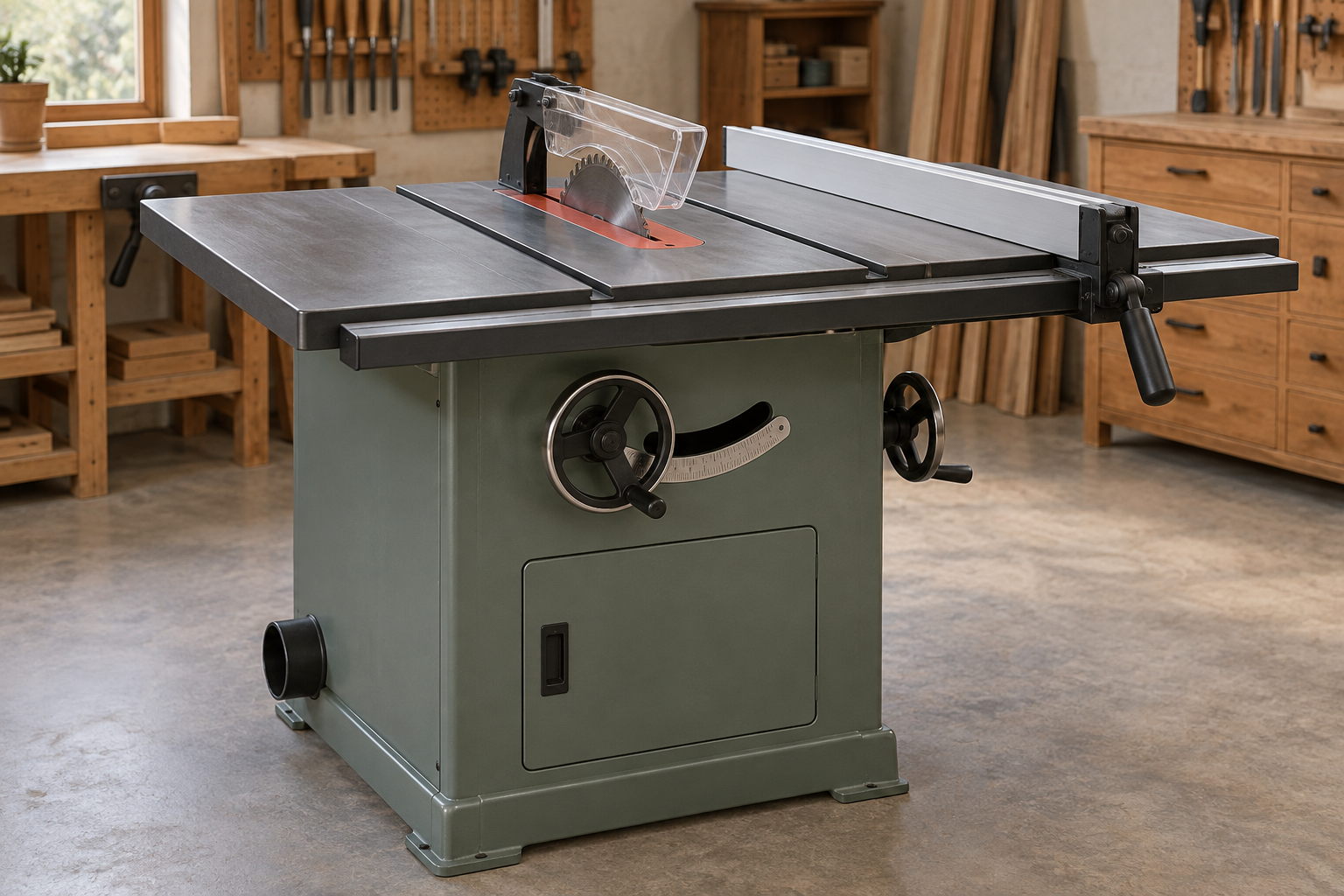
How to Prevent Rust on Cast-Iron Woodworking Machine Tables
What's inside
As an Amazon Associate I earn from qualifying purchases. This post may contain affiliate links at no extra cost to you.
Cast-iron tables rust when moisture remains on the metal long enough to react with it. Sawdust, fingerprints, condensation, and water-based finishes all contribute. The cure is not complicated: clean the table, dry it completely, apply a suitable protectant, and repeat the process before rust gets established.
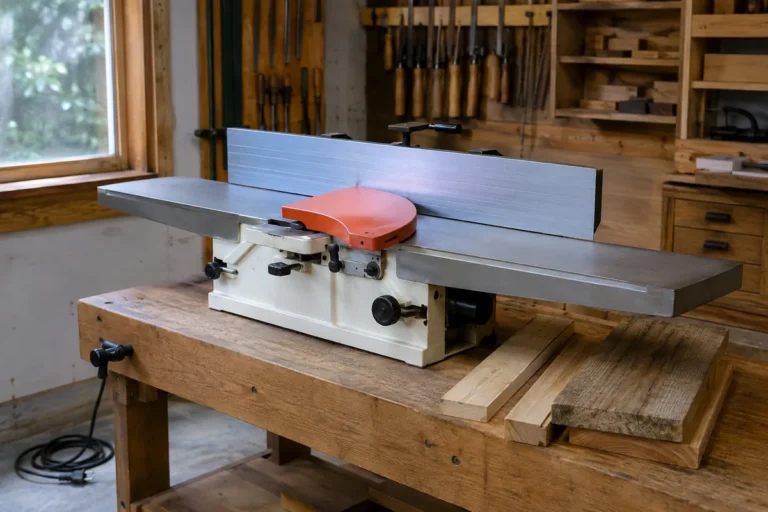
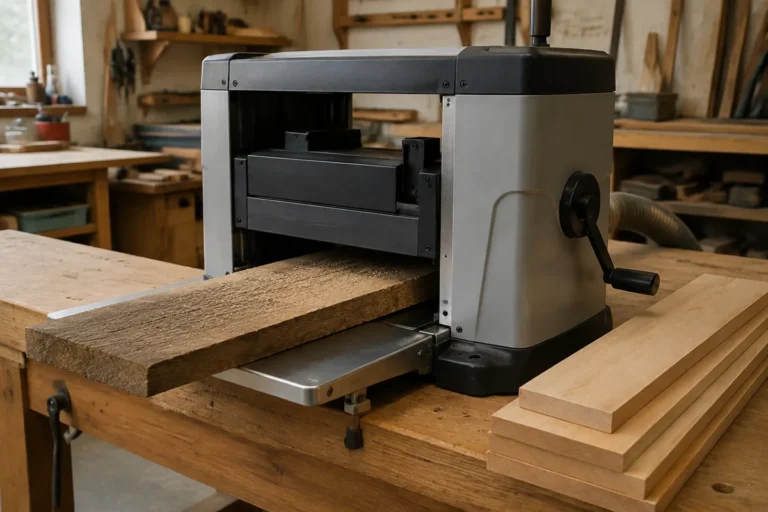
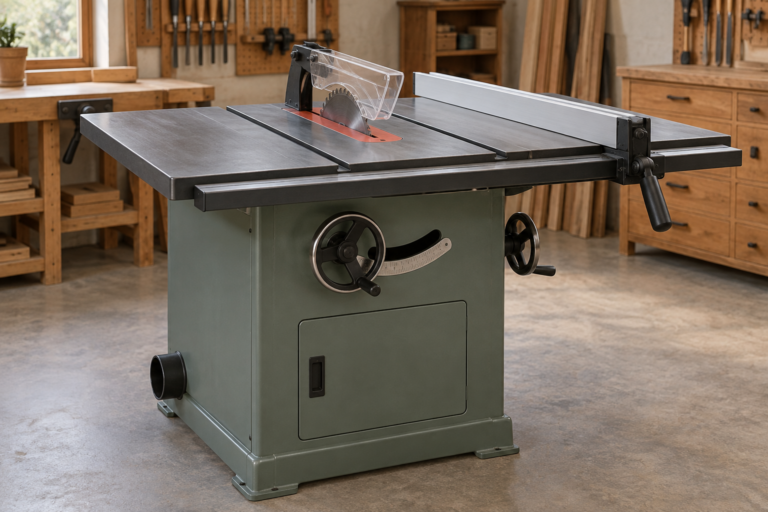
This applies to table saws, band saws, jointers, planers, and drill presses. The best product depends on how often you use the machine and whether the table must remain especially slick for feeding stock.
Contents
Why cast-iron machine tables rust
Bare cast iron has microscopic pores and an uneven surface that hold moisture. A shop that seems dry can still produce condensation when a cold machine warms up, especially in an unheated garage. Relative humidity above about 60 percent makes rust prevention much more important. Coastal air, concrete floors, and storing machines against exterior walls increase the risk.
Woodworking creates additional problems. Wet sawdust can hold water against the table, while sweat and fingerprints leave salts that accelerate corrosion. Water-based finishes, glue, and damp lumber can also stain cast iron quickly. A planer or jointer is particularly vulnerable because chips collect around the cutter opening and fence or bed edges.
Small orange spots are easy to remove. Deep pitting is permanent and can make stock catch or leave marks, so deal with rust as soon as you see it.
Clean and prepare the table
Unplug the machine before working on it. Vacuum dust from the tabletop, miter slots, fence tracks, cutter openings, and other recesses. Wipe away pitch and glue with a cleaner that does not leave an oily or silicone-heavy residue. If you use a solvent, apply it to a rag rather than flooding the machine, and keep it away from belts, bearings, electrical parts, and painted surfaces.
For light surface rust, use a gray or fine abrasive pad, fine steel wool, or a rust-removal block with a few drops of light oil. Work with moderate pressure and keep the abrasive flat so you do not create grooves. Avoid coarse sandpaper and aggressive power sanding; they can leave low spots that are more damaging than the original rust.
Wipe off the loosened residue, then dry the surface completely. Compressed air helps clear miter slots and bolt recesses, but do not blow dust into bearings or electrical housings. A clean, dry table is essential. Applying wax over grit or moisture simply traps the problem.
Choose a protectant that fits the machine
There is no single best coating for every shop. Paste wax is popular because it leaves a dry, slick surface. It works well on table saws, jointers, and planer beds where reduced friction matters. Use a paste specifically intended for tools or woodworking surfaces, such as these cast-iron table paste wax options. Apply a thin coat, let it haze, and buff it thoroughly. Thick wax attracts dust and can transfer to workpieces.
Film-forming corrosion protectants provide stronger storage protection, particularly in humid garages. They may feel oily or slightly tacky and can require removal before the machine is used. A corrosion-inhibiting spray is a sensible choice for a machine used only occasionally; compare corrosion inhibitor sprays for cast iron tools.
Dry-film protectants are a middle ground. They leave less residue than oil and usually do not make the table feel greasy, but they may not provide as much long-term protection in severe humidity. Plain machine oil can prevent rust, but it is often a poor everyday choice because it collects dust, transfers to wood, and makes feeding inconsistent.
| Protectant | Best use | Advantages | Drawbacks |
|---|---|---|---|
| Paste wax | Frequent-use machines | Slick, dry feel; easy to buff | Needs regular renewal; excess attracts dust |
| Dry-film protectant | Routine protection with low residue | Clean feel; less transfer to wood | May need more frequent application in damp shops |
| Oil or corrosion-inhibiting film | Long storage or high humidity | Strong moisture barrier | Can collect dust and must often be removed before use |
Do not use products containing silicone near finishing work unless you know exactly where the residue will go. Silicone contamination can cause fisheyes and craters in lacquer, varnish, and some paints. Keep finishing supplies and machine protectants separate, and wipe the table thoroughly if a questionable product has been used.
Apply the coating correctly
Put a small amount of wax or protectant on a clean cotton cloth, microfiber cloth, or applicator pad. Spread a very thin, even film over the whole table, including the front edge and the areas around slots. On a jointer or planer, protect the infeed and outfeed beds but do not leave a heavy coating near cutter openings where it can collect chips.
Let paste wax haze according to its instructions, usually several minutes, then buff until the surface feels dry and smooth. Check that miter gauges, rip fences, and workpieces slide without grabbing. If the table feels sticky, you used too much. Remove the excess rather than adding another coat.
For routine use, inspect the machine every few sessions. Wipe away dust and fingerprints after use and renew paste wax roughly every one to three months, depending on humidity and workload. A heavily used jointer may need attention more often. In a dry, heated shop, twice a year may be enough.
Control the shop environment
Coating alone cannot overcome constant condensation. Use a cheap hygrometer and aim to keep the shop below 60 percent relative humidity; below 50 percent is better for long-term storage. A dehumidifier is usually more effective than repeatedly treating a rusty machine. Avoid covering a cold machine with an airtight plastic sheet, which can trap moisture. If you use a cover, choose a breathable one and wait until the machine is dry.
For seasonal storage, clean the table, remove all moisture, and apply a more durable corrosion film. Cover exposed cast iron, but leave ventilation around the machine. Before cutting wood again, wipe off the storage coating with the cleaner recommended by its manufacturer, then apply a thin everyday protectant or wax.
Common mistakes that cause rust
Leaving damp sawdust on the table overnight is one of the fastest routes to spotting. So is wiping cast iron with a wet rag and assuming it will air-dry. Another mistake is polishing only the large flat area while ignoring miter slots, fence rails, and table edges. Rust often starts in those less visible areas and spreads under the coating.
Do not sand aggressively to make a table look bright. A slightly stained but flat surface works better than a shiny surface with waves. Likewise, do not rely on a sacrificial plywood sheet as permanent protection; moisture trapped underneath can rust the table faster. Clean and inspect beneath any cover regularly.
If your shop is reasonably dry, a good paste wax is the cheaper and simpler option. If the machine sits unused for weeks in an unheated or humid space, spend more on humidity control and a storage-grade corrosion protectant. That combination costs less than repairing a pitted table and gives the machine a surface that remains accurate and usable.