Cast-Iron vs Aluminum Drill Press Tables for Furniture Work
What's inside
As an Amazon Associate I earn from qualifying purchases. This post may contain affiliate links at no extra cost to you.
Contents
What matters for furniture work
A drill press table earns its keep when you need repeatable holes, steady support for a workpiece, or a fence and stop that stay put. For furniture work, the choice between cast iron and aluminum is less about raw drilling power than about table size, rigidity, weight, and how you use clamps and accessories.
Cast iron is dense and resistant to vibration. Aluminum is lighter and easier to handle, and many aftermarket tables provide a generous work surface with a replaceable insert. Either can work well. A small, poorly supported table will be frustrating in either material; a solid table that suits your stock and setup matters more than the label.
As an Amazon Associate we earn from qualifying purchases at no extra cost to you.
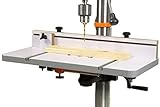

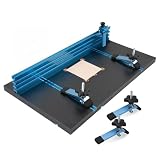
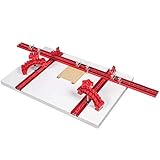
Cast iron vs aluminum at a glance
| Feature | Cast iron | Aluminum |
|---|---|---|
| Weight and stability | Heavy; tends to damp vibration and stay put | Light; often depends more on secure mounting |
| Surface and wear | Durable, but can rust and may have grooves that catch small parts | Does not rust like iron; can scratch or dent, depending on thickness and finish |
| Workpiece support | Often limited by the drill press’s original table size | Aftermarket tables commonly offer a larger surface and replaceable insert |
| Clamping and accessories | Slots vary; check that your clamps fit | T-track systems are common, but track hardware adds cost |
| Best fit | Owners prioritizing mass and a durable, simple surface | Owners needing a larger, adaptable table that is easy to remove |
When cast iron makes sense
If your drill press already has a broad cast-iron table in good condition, you may not need to replace it. The weight helps it resist movement, and a flat, clean surface supports ordinary drilling without fuss. Cast iron also tolerates years of shop use, though it is not indestructible: a sharp blow can chip an edge, and exposed surfaces can rust in a damp shop.
Cast iron’s main limitation for furniture parts is often not the material but the size and shape of the factory table. A narrow table can leave a cabinet side or chair rail hanging unsupported. That makes it harder to hold the work flat and square, and a long piece can tip as the bit breaks through. A larger auxiliary table, even one made from plywood or MDF, can solve that problem if it is mounted securely and kept flat.
Check the table’s slots before buying clamps. Some factory tables have grooves intended for a particular fence or clamp style. If your hold-downs do not fit, you may end up using improvised clamping that is slower and less secure. Keep the surface clean and apply a light rust-preventive coating when needed; wipe away excess so it does not transfer to wood.
When aluminum is the better buy
For a small factory table, an aftermarket aluminum table can add useful area, a replaceable sacrificial insert, and tracks for a fence and stops. Those features are valuable for repeated shelf-pin holes, dowel holes, or drilling a run of matching components. An insert gives the bit somewhere to exit without striking the table, reducing tear-out and protecting the bit when a hole goes through the workpiece.
Look at the full assembly, not just the top material. A large table can flex or shift if its mounting bracket is weak, and T-tracks are only useful if the supplied or compatible hardware fits them. Check the stated dimensions against your largest parts and confirm that the table clears the drill press column, handle, and depth stop through the travel you need. A table that is too wide can obstruct the quill handle or make it awkward to position stock.
Aluminum is also easier to lift off when changing setups. The trade-off is that a lightweight table may move under side pressure if it is not clamped firmly to the factory table. Do not use the drill press as a milling machine: side-loading the spindle is unsafe and can damage the machine, regardless of table material.
What to check before buying
Measure your factory table and the distance from the spindle to the column. Then measure the largest furniture part you expect to drill. A table that supports a 24-inch-wide panel may sound appealing, but it needs enough clearance around the column and a mounting arrangement that does not interfere with the press. Also check the table’s thickness and mounting hardware; thin tops can flex when you clamp near an edge.
For repeatable work, prioritize a square, adjustable fence and a stop you can lock firmly. Tracks should run parallel to the intended fence line, and the fence should resist twisting when a clamp is tightened. A simple table with a solid fence is more useful than a feature-heavy table with loose hardware.
Browse aluminum drill-press tables with fences and T-tracks if you need a larger, adjustable work surface. If you want a basic replacement or want to compare sizes before modifying your setup, look at cast-iron drill-press tables. Verify dimensions and mounting compatibility; a listing photo alone will not tell you whether the table fits your press.
Set up for accurate, safe holes
Whatever table you choose, support the workpiece and clamp it down. A drill bit can grab as it exits, spinning an unsecured board with enough force to injure a hand or damage the stock. For through-holes, use a sacrificial backing board or align the table’s insert under the bit. For blind holes, set the depth stop and test it on scrap of the same thickness.
Check that the fence is square to the bit when the job requires a square edge, and make a test hole before drilling a batch. If a long panel overhangs the table, support its far end at the same height; sag can tilt the work and put the hole in the wrong place. Keep hands clear of the bit, remove the chuck key before starting, and wait for the spindle to stop before moving the workpiece.
Choose for the work, not the material label
Keep a good cast-iron table if it is large enough, stable, and easy to clamp. Choose an aluminum upgrade when you need more support, a replaceable insert, or a fence-and-stop setup for repeated furniture parts. A homemade auxiliary top can be the sensible low-cost option for occasional drilling, provided it is flat, firmly attached, and does not obstruct the machine. The right choice is the one that holds your stock securely and lets you position the hole consistently.

