Best Native American Flutes
What's inside
- Best Native American flutes by playing situation
- Wood species: sound, weight, and stability
- Key, tuning, and scale
- Bore design and playability matter more than decoration
- Finish, block, and craftsmanship
- A practical decision matrix
- How to size a flute before ordering
- Maintenance and ownership realities
- What to ask the maker
- Best Native American flutes by playing situation
- Wood species: sound, weight, and stability
- Key, tuning, and scale
- Bore design and playability matter more than decoration
- Finish, block, and craftsmanship
- A practical decision matrix
- How to size a flute before ordering
- Maintenance and ownership realities
- What to ask the maker
As an Amazon Associate I earn from qualifying purchases. This post may contain affiliate links at no extra cost to you.
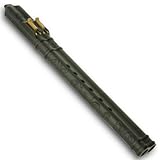
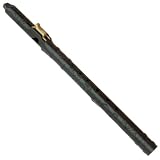
The best Native American flutes for most buyers are handcrafted, two-chamber wooden flutes in a comfortable minor pentatonic key—usually F#, G, or A—with a stable tuning reference, a clean voice, and a bore size suited to your hands and breath.
Choosing one is less about finding the most expensive instrument and more about matching wood, key, tuning, bore design, finish, and physical size to how you will play. The term “Native American flute” generally refers to the end-blown, two-chamber flute tradition associated with Indigenous peoples of North America. Makers and players use the term broadly today, so buyers should also look for transparent information about the maker’s materials, cultural relationship to the instrument, and whether the flute is intended for ceremonial, educational, or contemporary personal use.
As an Amazon Associate we earn from qualifying purchases at no extra cost to you.


Contents
- Best Native American flutes by playing situation
- Wood species: sound, weight, and stability
- Key, tuning, and scale
- Bore design and playability matter more than decoration
- Finish, block, and craftsmanship
- A practical decision matrix
- How to size a flute before ordering
- Maintenance and ownership realities
- What to ask the maker
Best Native American flutes by playing situation
| Player or situation | Recommended specification | Why it works | Typical market range |
|---|---|---|---|
| First-time player | F# or G, 22–24 inches, six-hole, medium bore, clear fingering chart | Comfortable reach, forgiving response, and enough low-mid presence for home playing | $150–$350 |
| Small hands or younger player | A or B, 17–21 inches, compact body, closely spaced holes | Shorter finger stretches and easier control of the lower notes | $125–$300 |
| Quiet bedroom or apartment practice | A or B, narrow-to-medium bore, soft-blowing design | Higher pitch and moderate air demand reduce the amount of breath and volume needed | $150–$400 |
| Deep, resonant solo playing | F#, G, or low D, 24–32 inches, larger bore | Produces a fuller low register but requires more finger spread and breath | $250–$700 |
| Frequent outdoor use | Well-sealed hardwood, protective case, stable tuning, replacement fetiche or block | Better resistance to handling, humidity changes, and accidental knocks | $250–$800 |
| Recording or ensemble work | Precisely tuned flute at A=440 Hz, documented scale, consistent hole placement | More predictable blending with keyboards, guitars, and orchestral instruments | $300–$1,000+ |
Wood species: sound, weight, and stability
Wood changes the flute’s weight, appearance, tactile feel, and long-term behavior. The bore geometry and maker’s voicing work usually influence the sound more than species alone, so do not assume a dense exotic wood automatically sounds better.
- Cedar: Light, warm, and often easy-blowing. It can suit beginners, but softer cedar is more vulnerable to dents and compression around the finger holes.
- Walnut: A balanced choice with moderate weight, attractive grain, and a broad, mellow voice.
- Maple: Dense and durable, with a clear response and relatively crisp articulation.
- Cherry: Medium weight, smooth-feeling, and capable of a warm but focused sound.
- Blackwood and other dense hardwoods: Durable and visually striking, but heavier and sometimes more tiring during long sessions.
Ask whether the wood was properly dried before construction. A flute made from inadequately seasoned stock can develop cracks, tuning changes, or joint problems even when the finish looks excellent. Responsible makers should identify the wood accurately and explain any restrictions on exotic species.
Key, tuning, and scale
Most contemporary Native American flutes use a minor pentatonic layout, which makes many notes sound compatible when played intuitively. The key is determined mainly by the flute’s length and bore. Lower flutes have longer bodies, larger finger spacing, and a deeper sound; higher flutes are more compact and usually easier for smaller hands.
F# and G are particularly versatile starting points. They offer a substantial tone without the reach of a very low flute. A, B, and C are practical when portability, smaller hands, or quieter practice matter most. Low D and C flutes can be beautiful, but they are physically larger and may need more air than a new player expects.
Check whether the maker specifies tuning at A=440 Hz or another reference. A flute tuned to A=440 is easier to use with standard electronic tuners and modern instruments. Some makers tune individual flutes for expressive flexibility rather than strict equal temperament; that is perfectly usable, but it matters if you plan to play with guitar, piano, or recorded accompaniment.
Bore design and playability matter more than decoration
The bore is the internal air passage. Its diameter, taper, and transitions influence breath pressure, volume, note stability, and the effort required to reach the upper notes. A larger bore can create a broad, powerful voice but may require more air. A smaller or carefully tapered bore may feel more controlled and accessible.
Native American flutes commonly use a slow-air chamber followed by the sound-producing chamber. The separation between these chambers helps stabilize the air stream. On a well-made flute, the fundamental note should start without excessive force, and the other notes should speak without persistent squeaks when your fingers seal the holes correctly.
Before buying, ask for the flute’s total length, bore diameter if available, hole spacing, and approximate weight. A 28-inch flute weighing 2 pounds may be uncomfortable for someone who wants to play standing for an hour, while a 19-inch flute may feel too bright for a player seeking a deep meditation instrument.
Finish, block, and craftsmanship
Exterior finishes protect the wood from moisture and handling, but they do not make a flute waterproof. Oil finishes preserve a natural feel and can be renewed; hard film finishes offer more surface protection but may show chips or scratches if damaged. The inside of the bore should be smooth and free of loose fibers, pooled finish, or rough tool marks.
The removable block—sometimes called the fetiche or bird—must seat securely over the airway. It should not rock, leak noticeably, or require excessive tightening. A leather tie or other retainer should hold it in position without crushing the block. Because the block is exposed and frequently handled, it is one of the first parts likely to wear, split, or become misplaced. A maker who sells replacement blocks and supplies fitting guidance provides a meaningful ownership advantage.
Inspect the finger holes for clean edges and consistent shaping. Rough edges can feel uncomfortable and may indicate rushed finishing. Decorative carving is secondary to accurate voicing, reliable hole placement, and a body that has no suspicious cracks around the mouthpiece, end grain, or joints.
A practical decision matrix
| Priority | Choose | Be cautious about |
|---|---|---|
| Lowest learning friction | F# or G, medium bore, six holes, maker-supplied fingering chart | Very low keys and unusually wide finger spacing |
| Maximum portability | A or B, under 22 inches, protective padded sleeve | Large low flutes that do not fit your case or luggage |
| Most expressive breath control | Medium bore with published playing range and stable fundamental | Unspecified “extra powerful” designs with no air requirements |
| Playing with other instruments | A=440 tuning and clearly listed note names | Flutes described only by poetic key labels or approximate pitch |
| Long service life | Seasoned hardwood, documented finish, replaceable block, case included | Unsealed soft wood and no repair or maintenance guidance |
How to size a flute before ordering
- Measure reach: Place your hand flat and measure from the tip of your index finger to the tip of your little finger. This is not a perfect substitute for trying a flute, but it helps identify unusually wide hole spacing.
- Compare hole spacing: Ask for the center-to-center distance between the largest gaps. Many adult beginners find approximately 1.5–2.0 inches manageable, while larger low flutes may exceed that range.
- Check weight: Estimate whether you can comfortably support the listed weight for 20–30 minutes. A heavier hardwood flute can become tiring even when the finger holes fit.
- Confirm the fingering system: Most six-hole instruments use a familiar pattern, but makers may vary hole placement and alternate fingerings. Request a chart before purchase.
Maintenance and ownership realities
Moisture is the main routine concern. During playing, warm breath condenses inside the bore. After each session, remove the block if the maker permits it, wipe the airway and accessible bore with a lint-free cloth or purpose-made swab, and let the flute dry at room temperature. Do not place it on a radiator, in direct sun, or in a sealed case while damp.
Keep the flute away from rapid temperature changes. A useful rule is to allow a cold instrument to reach room temperature before playing forcefully. Never push a swab through a narrow passage, and do not apply oil unless the maker specifies the type, frequency, and application method. Too much oil can collect in the airway or soften parts that need to remain dimensionally stable.
Common beginner mistakes include covering holes with fingertips instead of the softer finger pads, squeezing too hard, blowing too forcefully, and tightening the block until the sound becomes constricted. Begin with slow air and relaxed hands. If a note is consistently flat or unstable, first check finger coverage and block position before assuming the flute is defective.
What to ask the maker
- What is the concert pitch reference and measured fundamental note?
- What are the total length, weight, bore size, and hole spacing?
- Which wood was used, and how was it seasoned?
- What finish is inside and outside the flute?
- Is the block replaceable, and can replacement blocks be ordered?
- What humidity and storage conditions are recommended?
- Does the maker explain their cultural, educational, or artistic relationship to this instrument tradition?
For most newcomers, the safest choice is a well-documented F# or G flute in cedar, walnut, cherry, or maple, with a medium bore, six accessible holes, A=440 tuning, a protective case, and clear maintenance instructions. Spend less time comparing decorative motifs and more time verifying dimensions, voicing, replacement-part support, and whether the instrument fits the way you actually intend to play.