Makita XGT Review: Is the 40V System Worth Starting Over For?
Key takeaways
- A measured look at whether Makita's 40V XGT platform justifies leaving an established 18V battery ecosystem behind, and who should wait.
What's inside
As an Amazon Associate I earn from qualifying purchases. This post may contain affiliate links at no extra cost to you.
Battery platform decisions outlast the tools themselves. A cordless drill might see five years of hard use before the chuck gets sloppy, but the battery mount it was built around can dictate a decade of purchasing. That is the real weight behind this Makita XGT review: XGT is not a single tool you can try and return, it is a second, incompatible Makita ecosystem sitting next to the 18V LXT line that many shops already own in depth. Makita sells adapters in one direction only, and no adapter turns your existing 18V packs into XGT power.
We write this as a buying-criteria piece rather than a bench report. We have not torn down or instrumented specific numbered XGT models, and we are skeptical of anyone who claims a runtime figure to the second. What we can do is judge the platform against the questions that actually decide purchases: what does XGT unlock that 18V cannot reach, what does it cost in duplicated chargers and packs, and how does it stack up against Milwaukee’s high-output 18V approach and DeWalt’s dual-voltage FlexVolt strategy.
As an Amazon Associate we earn from qualifying purchases at no extra cost to you. Product prices and availability are accurate as of the date shown and are subject to change.


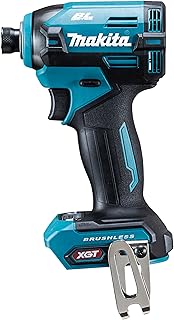


What XGT Actually Is, and What It Is Not
XGT is a 40V max platform with a physically different battery interface than LXT. That last part is the whole story. Makita chose a clean break rather than DeWalt’s backward-compatible FlexVolt approach or Milwaukee’s decision to push higher current through the existing M18 footprint. The upside of a clean break is that the tool, pack, and charger were designed together with higher continuous current, better cell cooling, and a communication protocol built for the load. The downside is obvious and unavoidable: none of your LXT packs work, and none of your LXT chargers work.
There is also a 40V/80V split worth understanding before you shop. Some of the largest XGT tools, notably the outdoor equipment and the biggest miter and demolition tools, run two 40V packs in series. That is real capability, but it also means the entry price for the top of the line involves buying batteries in pairs.
What XGT is not: a replacement Makita is forcing on you. LXT continues to receive new tools, and for a woodworker whose heaviest cordless demand is a track saw and a random orbit sander, the 18V line remains entirely adequate. Anyone telling you LXT is dead is guessing.
| Platform | Battery strategy | Where it makes sense | Main tradeoff |
|---|---|---|---|
| Makita XGT 40V max | New incompatible interface, 40V and 80V tools | High-draw tools, jobsite and outdoor power equipment | Second ecosystem to buy into from scratch |
| Makita LXT 18V | Mature 18V, huge tool count, some X2 36V tools | Woodshop tools, trim work, existing LXT owners | Ceiling on sustained high-current work |
| Milwaukee M18 FUEL | High-output packs in the same M18 footprint | Owners who want one battery mount forever | Big tools need big, heavy packs |
| DeWalt 20V MAX + FlexVolt | Dual-voltage packs work in both mounts | Gradual step up without abandoning 20V | FlexVolt packs are heavy and pricey |
The Criteria That Should Decide This, Not Spec Sheets
Voltage on a sticker tells you almost nothing about whether a tool is good. In our experience judging tool lines, the things that separate a keeper from a return are mechanical, and they show up the same way whether the tool is 18V or 40V.
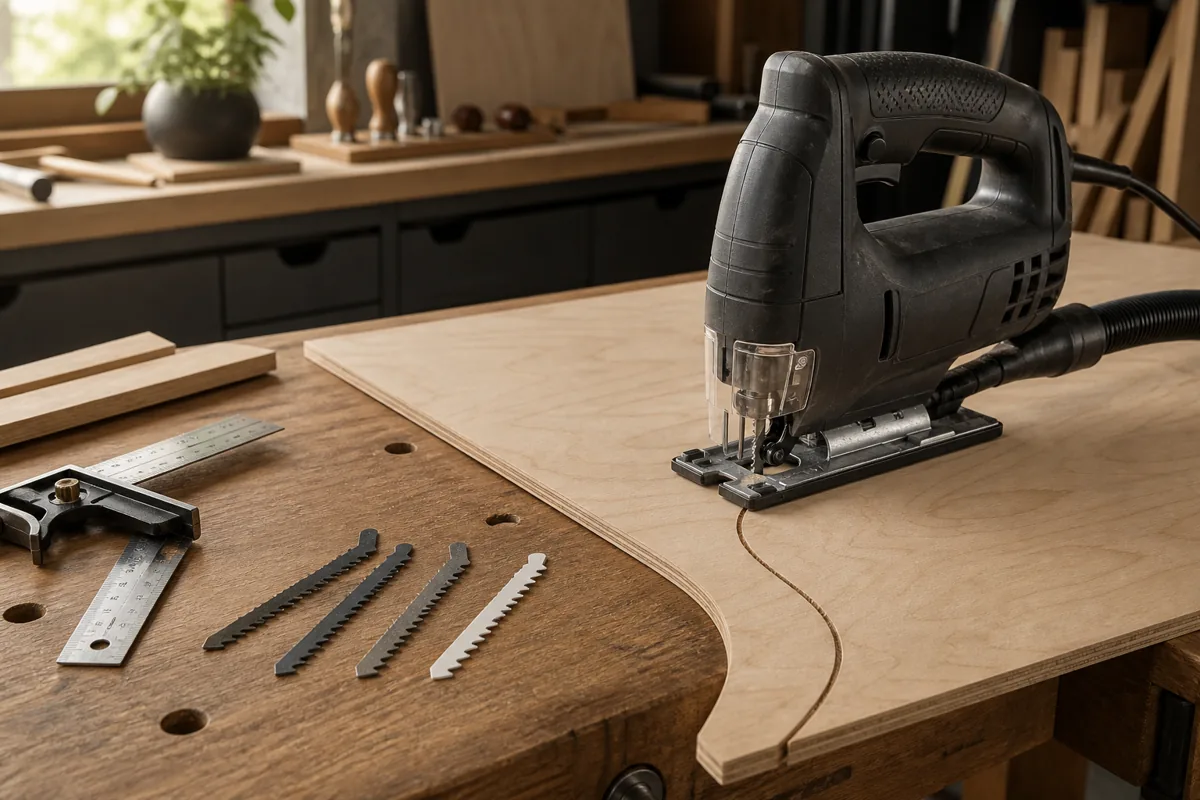
Base plate and shoe rigidity. On cordless circular saws, track saws, and jigsaws, a stamped shoe that flexes under hand pressure will ruin cut accuracy no matter how much torque sits behind it. Grab the shoe at the front corner and try to twist it. XGT’s larger saws generally get more substantial bases than the entry 18V equivalents, and that matters more than the extra volts.
Fence quality and adjustment feel. Cordless miter saws and table saws live or die on the fence. Look for machined faces that stay coplanar when you slide them, and adjustment hardware that does not require a shim to hold square. This is the single most common place where a cordless tool disappoints someone coming from a corded equivalent.
Detent quality. Miter detents should drop in with a positive, repeatable click and no perceptible slop when you clamp the lever. Vague detents mean you are chasing your miters with a square all afternoon.
Runout and arbor quality. On any spinning tool, runout at the arbor or chuck sets a hard ceiling on cut and hole quality. A high-voltage platform cannot compensate for a wobbly spindle.
Sustained current, not peak torque. This is where XGT genuinely earns its keep. Peak numbers are marketing. What separates platforms is whether the pack and tool can hold high output for a long cut without thermal cutoff. Higher-voltage packs pull less current for the same power, which means less heat in the cells and connections. If your work involves long rips in wet framing lumber, extended grinding, or a rotary hammer in concrete, that difference is real.
Makita XGT 40V Max Tools and Kits
Buy into XGT when a specific tool class demands it: rotary hammers, large-capacity miter saws, metal cutting, or outdoor power equipment. Start with a kit rather than a bare tool, because the packs and dedicated charger are the real cost of entry. If your cordless work is mostly drilling, driving, sanding, and trim carpentry, this platform is capability you will pay for and not use.
Makita XGT Review Against the Real Alternative: Staying on LXT
The honest competitor to XGT is not Milwaukee or DeWalt. It is the LXT batteries already on your charger shelf. Before spending anything, do an inventory: count your usable packs, note their amp-hour ratings, and be honest about how many still hold a full charge. A shop with six healthy 5.0Ah LXT packs and a multi-port charger has a substantial sunk asset. Duplicating that on XGT is a serious outlay before you own a single new cutting tool.
The case for switching is strongest in three situations. First, you are starting fresh or nearly fresh, in which case the incompatibility costs you nothing and you should buy the newer platform. Second, you need a specific tool where 18V is genuinely working at its limit, and you accept running two systems for a few years. Third, you are replacing gas outdoor equipment, where the 80V pairs are the most compelling part of the XGT catalog.
The case against is equally clear. If you are a hobbyist woodworker, the tools that matter most in your shop are corded or stationary anyway. Your cordless needs are a drill, an impact driver, a compact sander, a brad nailer, and maybe a track saw. LXT covers all of that with a far wider selection and better pricing on packs.
- ✔ Higher voltage means lower current draw and less heat under sustained load
- ✔ Packs, tools, and chargers were engineered together rather than retrofitted
- ✔ Strong catalog in the categories where 18V struggles, especially outdoor power equipment and concrete
- ✔ Weather-resistant construction across much of the line
- ✔ Clear headroom for future high-demand tools
- ✘ Zero backward compatibility with LXT packs or chargers
- ✘ Requires duplicating your entire battery and charger investment
- ✘ Smaller tool selection than mature 18V platforms
- ✘ 40V and 80V tools mean buying packs in pairs for the biggest tools
- ✘ Compact, lightweight everyday tools are still better served by 18V
How XGT Compares to Milwaukee and DeWalt Strategies
Each major brand answered the same engineering problem differently, and none of the answers is free. Milwaukee kept the M18 mount and pushed current through larger cell formats. That preserves compatibility across a large installed base, but the heaviest-duty packs are physically big and heavy, and they hang off the bottom of tools that were designed years before them. DeWalt’s FlexVolt packs reconfigure between voltages so they work in both mounts, which is the most owner-friendly approach on paper, though those packs carry real weight and cost.
Makita accepted short-term customer pain for a cleaner long-term design. Whether that trade favors you depends entirely on which side of the transition you are standing on. A contractor buying a first cordless system in 2026 has little reason to care about LXT compatibility. A shop with a decade of Makita 18V purchases has every reason to care.
Makita LXT 18V Tools and Batteries
For most woodworkers, this is still the right answer. The LXT catalog is deeper, packs cost less per amp-hour, and the tools that matter in a shop, drills, impact drivers, sanders, nailers, and track saws, are well covered. Add packs here and put the savings toward a better blade selection or dust collection.
Frequently Asked Questions
Can I use my LXT 18V batteries on XGT tools? No. The battery interfaces are physically different and there is no adapter that lets 18V packs run XGT tools. Makita does offer an adapter that lets an XGT pack power some LXT tools, so compatibility flows in one direction only. Plan on separate chargers for each platform.
Is Makita discontinuing LXT? There is no indication of that. LXT remains Makita’s volume platform with by far the larger tool catalog, and new 18V tools continue to appear. Treat XGT as an addition aimed at higher-draw applications rather than a replacement, and be wary of confident predictions about either line disappearing.
Do I need XGT for woodworking? Rarely. Shop work leans on corded and stationary machines, and the cordless tools a woodworker reaches for most are compact drills, drivers, sanders, and nailers where 18V is the better fit for weight and cost. The exceptions are large-capacity cordless miter saws and heavy site work, which is exactly where XGT is aimed.
Verdict
XGT is a well-conceived platform that most woodworkers do not need. The engineering logic behind a purpose-built 40V interface is sound, and in the categories where 18V has always strained, concrete drilling, metal cutting, large miter capacity, and gas replacement outdoor equipment, it is the more convincing Makita option. But a platform is only as good as the reason you have for buying into it, and “newer and higher voltage” is not a reason. It is a marketing position.
Our recommendation splits cleanly. If you own no cordless system, or your Makita packs are aging out anyway, buy XGT and skip the transition problem entirely. If you have a healthy stable of LXT packs and your work is shop-based woodworking or trim carpentry, stay where you are and judge your next purchase on the criteria that actually govern accuracy: base plate rigidity, fence and detent quality, and spindle runout. Those decide whether a tool is worth owning. Voltage does not.
Check prices on Amazon →