
What's inside
- Contents
- Why a mask belongs in every woodworker’s kit
- Types of masks and respirators
- Understanding ratings and labels
- Fit, seal, and facial hair
- Comfort, compatibility, and cost over time
- Matching protection to woodworking tasks
- Care, storage, and replacement
- Common mistakes to avoid
- Who should choose what
- Buying checklist
- Frequently asked questions
- Conclusion
As an Amazon Associate I earn from qualifying purchases. This post may contain affiliate links at no extra cost to you.
Short answer: the best dust mask for woodworking is one that carries a recognized respiratory-protection rating for fine particles, fits your face without gaps, and is comfortable enough that you actually wear it. A flimsy comfort mask is not the same thing as a rated respirator. For regular sanding or sawing, many woodworkers look at reusable half-mask respirators with replaceable particulate filters, and some consider powered units for long sessions. This guide describes the types and fit principles in general terms. Always rely on the official ratings, labels, and instructions that come with the product, and on guidance from the relevant safety authority in your country.
Contents
- Contents
- Why a mask belongs in every woodworker’s kit
- Types of masks and respirators
- Understanding ratings and labels
- Fit, seal, and facial hair
- Comfort, compatibility, and cost over time
- Matching protection to woodworking tasks
- Care, storage, and replacement
- Common mistakes to avoid
- Who should choose what
- Buying checklist
- Frequently asked questions
- Conclusion
Our Top Picks
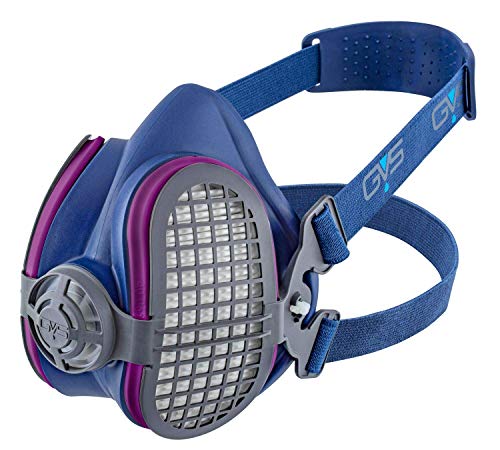 GVS SPR457 Elipse P100 Dust Half Mask Respirator1 Count (Pack of 1)5 x 4 x 4 inches0.4 PoundsCheck on Amazon

Contents
- Why a mask belongs in every woodworker’s kit
- Types of masks and respirators
- Understanding ratings and labels
- Fit, seal, and facial hair
- Comfort, compatibility, and cost over time
- Matching protection to woodworking tasks
- Care, storage, and replacement
- Common mistakes to avoid
- Who should choose what
- Buying checklist
- Frequently asked questions
- Conclusion
Why a mask belongs in every woodworker’s kit
Cutting, sanding, routing, and planing turn solid wood into particles of many sizes. The big ones fall to the floor. The finest stay in the air long after you switch off the tool, and you can inhale them without noticing, because they are often too small to see. Sanding is a particular culprit, and so is working with sheet goods such as MDF and plywood, which contain adhesives and fine fibers.
Occupational safety organizations in many countries publish guidance about wood dust, and some set exposure limits for workplaces. Individual wood species vary in how they affect people, and some are known to cause irritation or allergic reactions in sensitive individuals. This article does not make medical claims or promise protection from any health outcome. Its aim is to help you understand what you are buying and how to choose gear that fits your tasks. If you have concerns about your own health or exposure, talk to a qualified professional and consult official guidance.
The practical lesson is simple. A mask you do not wear provides no protection, and a mask that leaks around the edges may provide much less than its label suggests. Comfort and fit are therefore as important as the rating.
Types of masks and respirators
The words dust mask and respirator are often used loosely, so it helps to separate the categories.
Basic comfort masks
These thin, flat or pleated masks with a single elastic strap or ear loops are sold for light, nuisance dust such as sweeping. They are not designed to seal to your face, and many carry no respiratory-protection rating. Treat them as a convenience for low-risk moments and do not rely on them for sanding, sawing, or other tasks that generate fine dust.
Disposable filtering facepiece respirators
These molded or folded masks have two head straps, a nose clip, and a filter material that forms the entire mask body. When they carry an official particulate rating, they are classified as respirators. They are light, inexpensive, and require no maintenance, so they suit occasional work. Models with an exhalation valve can feel cooler, though you should check the instructions for when a valve is appropriate. Disposable respirators are meant to be discarded when they are dirty, damaged, or hard to breathe through.
Reusable half-mask respirators
A half-mask covers the nose and mouth with a rubber or silicone face piece and uses replaceable filters or cartridges. The mask body lasts a long time, while the filters are replaced as needed. Because the seal is molded and adjustable, many people find these provide a more consistent fit. They are a common choice for woodworkers who sand or cut regularly. Different models come in several sizes, so choose the size that fits your face.
Powered air-purifying respirators
These use a battery-powered fan to push filtered air into a hood, helmet, or face piece. Because the air flows toward you, breathing is easier, and loose-fitting versions can accommodate facial hair in some designs. They cost more, require battery care, and add weight and noise. They are popular among people who spend long hours sanding or turning. Follow the manufacturer’s instructions on filters, battery life, and flow indicators.
| Type | Seal to face | Upkeep | Comfort over long sessions | Typical use |
|---|---|---|---|---|
| Basic comfort mask | None to minimal | Throw away | Light but unreliable | Sweeping, light nuisance dust |
| Disposable filtering respirator | Moderate, depends on fit | Replace whole mask | Fair, can feel warm | Occasional cutting and sanding |
| Reusable half-mask | Good when sized properly | Replace filters, clean mask | Good for most people | Regular sanding and sawing |
| Powered air-purifying respirator | Varies by design | Batteries and filters | Often the most comfortable for long use | Long sessions, hot shops |
Understanding ratings and labels
A respirator’s rating tells you which standard it was certified against and what class of filter it contains. Different regions use different systems, and the names are not interchangeable, so read the markings on the product and the instructions that came with it.
In general, particulate respirators are sorted by filter efficiency, and some systems add a letter that describes resistance to oil. In North America, certified filtering facepieces and filters are marked with the approving body and a class designation that combines a letter and a number. In Europe and the United Kingdom, filtering facepieces are marked with an FFP class and a number, and reusable filters have a P class. Other regions have their own standards. A product that has no recognizable certification mark is not a good basis for a safety decision.
Do not assume that a higher class is always better for you. A higher efficiency filter may be harder to breathe through, and the more important factor is whether the respirator fits and is suitable for the hazard. Wood dust is a particulate hazard, but sanding painted or treated surfaces, spraying finishes, or using solvents introduce different hazards that call for different filters or cartridges. Fine particulate filters do not stop vapors. Finishes, glues, and solvents often require organic vapor cartridges, and the product’s label and safety data sheet will say what is needed.
Check the following on any product you consider:
- The certification mark and the standard it refers to.
- The filter class or rating printed on the mask or filter.
- The intended use, which should include particulates.
- Any expiration or date information, and storage instructions.
- Instructions for donning, user seal checks, and replacement.
Be careful with online listings. Counterfeit and misleading respirators exist, and some listings use rating terms loosely. Buy from reputable sellers, check that the markings on the product match the description, and consult the relevant safety authority’s website to verify certifications.
Fit, seal, and facial hair
A respirator filters the air only when air is forced to pass through the filter. If gaps let air bypass it, especially around the nose and cheeks, protection falls sharply. This is why fit receives so much emphasis in safety guidance.
Several things affect fit:
- Size and shape. Faces vary, and one size does not fit all. Reusable masks usually come in multiple sizes, and disposable respirators come in different models and shapes. Try more than one if the first leaks.
- Strap placement. Two-strap designs should sit with one strap high on the back of the head and one low, not on the ears or neck loosely. Adjust them evenly.
- Nose clip. Mold the metal nose piece to the bridge of your nose, using both hands, rather than pinching it with one hand.
- Facial hair. Beards and stubble that lie along the sealing area prevent a tight seal on masks that rely on one. Many safety organizations advise being clean-shaven where the seal contacts the skin for tight-fitting respirators. Loose-fitting powered hoods and helmets work differently, so check the manufacturer’s information.
- Glasses and other gear. Safety glasses can fog if the mask leaks upward, and thick temple arms can break the seal on some designs. Test your actual combination of gear.
Perform a user seal check each time you put the mask on, following the manufacturer’s directions. A typical check involves covering the mask and breathing gently to see whether air escapes at the edges. In workplaces, a formal fit test performed according to regulations may be required. Home woodworkers can learn the principles and consider a professional fit test if they want greater confidence, but should check what applies where they live.
Comfort, compatibility, and cost over time
The best respirator is the one you will keep on through a whole sanding session. Comfort details therefore matter.
Weight, strap design, and the softness of the sealing surface affect how long you can wear a mask without red marks or headaches. Silicone face pieces are often softer against the skin than rubber, though preferences vary. Exhalation valves can reduce heat and moisture build-up, which helps in warm shops and makes glasses fog less. Breathing resistance also varies, and a mask that is harder to breathe through tends to feel more tiring.
Cost over time deserves a look. Disposable respirators have a low upfront price but need frequent replacement. Reusable half-masks cost more initially, then require periodic filter replacement. Powered units cost the most upfront and add batteries and filter replacement. If you work with wood every week, a reusable or powered system usually becomes economical, though the exact comparison depends on your habits and local prices.
Matching protection to woodworking tasks
| Task | Hazard to think about | Direction to consider |
|---|---|---|
| Sanding | Heavy fine dust | Rated particulate respirator, with dust extraction on the tool |
| Table saw and router work | Mixed chips and fine dust | Rated respirator and dust collection at the machine |
| Cutting MDF and similar panels | Very fine dust | Rated respirator suited to fine particles, plus collection |
| Spray finishing and solvents | Vapors and mist, not just dust | Cartridges matched to the product’s label, plus ventilation |
Some tasks need more than a mask. Finishing products come with safety data sheets that list required protection, and you should read them before spraying or brushing in a closed space. Old paint and varnish on antiques may contain substances that require special procedures. When in doubt, consult official guidance before you begin.
Care, storage, and replacement
Respirators work only when they are clean, intact, and correctly stored.
- Inspect the mask before each use. Look for cracks, stiff or torn straps, a damaged nose clip, and dirty or crushed filter material.
- Discard disposable respirators when they are soiled, damaged, deformed, or harder to breathe through. Do not try to wash them.
- For reusable masks, clean the face piece with the cleaning method the manufacturer specifies, and let it dry fully.
- Replace filters and cartridges according to the manufacturer’s schedule and whenever breathing becomes difficult. Cartridges for vapors also have a service life and should be replaced if you smell or taste contaminants.
- Store the mask in a clean, sealed container or bag away from dust and sunlight, so the filters do not load up between uses. A zip bag or a dedicated box is enough.
- Keep instructions for each product in a safe place, and note filter changes.
Never share a respirator, because the seal and hygiene are personal. Replace the mask if you gain or lose a significant amount of weight or have dental work that changes your face shape.
Common mistakes to avoid
- Using a basic comfort mask for sanding. If it has no respiratory rating and no seal, it is not meant for this job.
- Ignoring fit. A tight rating with a loose seal gives little benefit. Perform seal checks every time.
- Wearing a respirator over a beard. Facial hair under the seal breaks it on tight-fitting designs.
- Using particulate filters against vapors. Dust filters do not address solvent fumes.
- Keeping masks too long. Dirty, loaded, or damaged masks should be replaced.
Who should choose what
An occasional builder who makes a few projects per year can reasonably choose a disposable filtering respirator with a recognized particulate rating, as long as it fits well and is replaced when dirty.
A regular hobbyist who sands and cuts every week will usually be more comfortable with a reusable half-mask. The face piece fits better over time, the filters are replaceable, and breathing resistance is manageable.
Someone who spends long periods sanding, turning, or working in a warm shop, or who wears glasses or has facial hair, may want to look into a powered air-purifying system. The airflow and hood design can improve comfort, though cost, batteries, and noise are trade-offs.
A person who sprays finishes or uses strong solvents needs a plan that goes beyond dust masks, including cartridges matched to the products and proper ventilation. Read the product labels and safety data sheets, and consult official guidance.
Buying checklist
- Look for a recognized respiratory certification mark that applies in your country.
- Read the filter class marking and confirm the product is intended for particulates.
- Choose a size or model that seals on your face, and try more than one if needed.
- Confirm that replacement filters are easy to find if you buy a reusable respirator.
- Check the instructions for seal-check steps and follow them each time.
- Pick a storage container or bag so the mask stays clean.
- Buy vapor cartridges separately if you work with finishes or solvents.
- Buy from reputable sellers and verify markings against the manufacturer’s documentation.
- Plan for dust collection and ventilation, since a mask is not a complete solution.
Frequently asked questions
Is a dust mask the same as a respirator?
Not necessarily. Many inexpensive dust masks are comfort products with no respiratory rating and no designed seal. A respirator carries a recognized certification and is designed to fit the face and filter particles to a stated class. Read the markings on the product.
What do the ratings on a respirator mean?
They indicate the standard the product was certified to and the class of filter. Systems differ by region, so rely on the markings and the manufacturer’s explanation, and consult your national safety authority if you are unsure. Do not assume that labels from different regions are equivalent.
Can I reuse a disposable respirator?
Instructions vary, but a disposable respirator should be discarded when it is dirty, damaged, deformed, or harder to breathe through. Do not wash it. If you reuse one for a limited time, store it clean and dry, and follow the manufacturer’s guidance.
Do I need a respirator for every task?
It depends on the dust level and the materials. Tasks that create fine airborne dust, such as sanding and cutting panels, are the clearest cases. For light handwork the dust may be minimal, but some species cause problems for sensitive people. When unsure, choose caution and consult official guidance.
Can I wear a respirator with a beard?
Tight-fitting respirators rely on a seal against the skin, and facial hair in the sealing area can break it. Many safety organizations advise a clean-shaven seal area for these types. Loose-fitting powered hoods and helmets work differently, so check the manufacturer’s instructions.
Will a respirator stop finish fumes?
Particulate filters do not stop vapors. Solvent-based finishes and some glues need cartridges rated for the relevant vapor, along with ventilation. Check the product’s label and safety data sheet for requirements.
How often should I replace filters?
Follow the manufacturer’s schedule and replace filters sooner if breathing becomes difficult, the filter is damaged or visibly loaded, or a vapor cartridge lets you smell or taste contaminants. Heavy use means more frequent replacement.
Is a powered respirator worth it?
It depends on your habits. Powered units are comfortable for long sessions and can suit people who have trouble with a tight seal, but they cost more and need battery and filter upkeep. For occasional work, a well-fitted reusable half-mask is often sufficient.
Conclusion
Choosing a dust mask for woodworking comes down to a few ideas. Pick a product with a recognized rating for the kind of hazard you face, make sure it fits your face, and choose one comfortable enough to wear for the whole job. Match the equipment to the task, because dust, vapors, and old finishes are different problems. Combine the respirator with dust collection, ventilation, and good housekeeping. Above all, read the manufacturer’s instructions and the official guidance for your region, since those documents, not marketing copy, define what a product is designed to do.
If you want to browse options, these links can serve as starting points:
- Reusable half-mask respirators
- Replacement particulate filters
- Disposable particulate respirators
- Respirator storage cases
Disclosure: As an Amazon Associate, we earn from qualifying purchases. This comes at no extra cost to you. This article is general information, not medical or safety-certification advice.
Related guides
More from Amazon
Programs that pair well with the guide above. Offers and eligibility are set by Amazon and may change.
A free business account with business pricing and bulk-buying tools for work, shop or home office.
Create a business accountFree shipping on eligible items, Prime Video and more. Eligible new members can start with a free trial.
Start a Prime free trialAudiobooks and podcasts to listen to on the go. Eligible new members can start with a free trial.
Try Audible freeAd-free music streaming. Eligible new subscribers can start with a free trial.
Try Music Unlimited freeAs an Amazon Associate we earn from qualifying purchases.

Write Your Review
No reviews yet. Be the first to share your experience!