
What's inside
- Contents
- What a plunge router does well
- Types of plunge routers
- How to choose: the features that matter
- Collet size, bits, and speed
- Matching a router to the job
- Dust, noise, and safety
- Setup and technique basics
- Common mistakes to avoid
- Who should choose what
- Buying checklist
- Frequently asked questions
- Conclusion
As an Amazon Associate I earn from qualifying purchases. This post may contain affiliate links at no extra cost to you.
Short answer: the best plunge router for most woodworkers is a mid-size model with a half-inch collet, variable speed, a smooth plunge action, a repeatable depth stop, and a dust port. Choose a smaller router if your work is mostly light trimming and inlay, and a larger one if you cut big mortises or run large bits in a table. Fit, control, and safety features matter more than the number printed on the box.
Contents
- Contents
- What a plunge router does well
- Types of plunge routers
- How to choose: the features that matter
- Collet size, bits, and speed
- Matching a router to the job
- Dust, noise, and safety
- Setup and technique basics
- Common mistakes to avoid
- Who should choose what
- Buying checklist
- Frequently asked questions
- Conclusion
Our Top Picks
Contents
- What a plunge router does well
- Types of plunge routers
- How to choose: the features that matter
- Collet size, bits, and speed
- Matching a router to the job
- Dust, noise, and safety
- Setup and technique basics
- Common mistakes to avoid
- Who should choose what
- Buying checklist
- Frequently asked questions
- Conclusion
What a plunge router does well
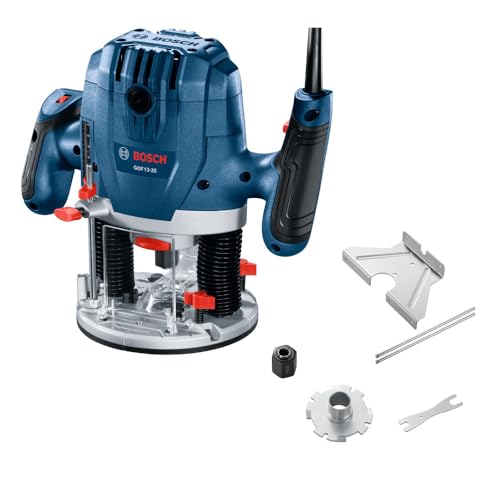
A plunge router rides on two spring-loaded posts that let the motor move down into the workpiece while the base stays flat on the surface. You position the tool, start it, lower the spinning bit into the wood, cut, and then retract the bit before lifting the router away. A fixed-base router, by contrast, has the bit set at a chosen depth before you start the motor, so it is typically entered from an edge.
That ability to start a cut in the middle of a board is what makes plunge routers valuable. Mortises, stopped grooves, inlay pockets, hinge recesses, sign carving, and template work all call for entering the wood away from an edge. Many plunge routers can also be mounted under a router table, although this depends on the design and on whether the model offers a way to adjust height from above. Check the manufacturer’s documentation before assuming a particular router will work upside down.
Plunge routers are not automatically better for everything. Edge profiling with a roundover or chamfer bit is often easier with a compact fixed-base or palm router because the tool is lighter and sits lower. Many woodworkers end up owning both. If you can only afford one tool to start, the plunge router is the more versatile choice, provided you accept a slightly taller, heavier body.
Types of plunge routers
Plunge routers are generally sorted by motor size and by how they are meant to be used. The sizes below are descriptive categories, not exact specifications, and manufacturers label them differently.
Compact and trim plunge routers
Smaller tools with a quarter-inch collet (some also accept larger collets) are light enough to hold with one hand for short tasks. They suit hinge mortises, inlay work, small grooves, and fine template routing. Their limitation is capacity: they struggle with large-diameter bits and deep cuts in hard woods unless you take light passes.
Mid-size plunge routers
This is the category most people mean when they say plunge router. A mid-size tool usually takes a half-inch collet, offers variable speed, and has a plunge range deep enough for most mortises and grooves. It balances power with a manageable weight, and most accessories such as edge guides, circle jigs, and template guide sets are designed around this class.
Large, heavy-duty plunge routers
These have bigger motors and heavier bodies, intended for large bits, long continuous cuts, and mounting in a router table for raised panel work. They are stable and powerful but tiring to hold for extended handheld use, and they cost more. If you do not need that capacity, they are more tool than necessary.
Cordless plunge routers
Battery models exist for people who value mobility and want to avoid a cord dragging across a finished surface. Runtime and power depend heavily on the battery and the bit you are using. Treat them as a convenience option for lighter work and verify capacity in the manufacturer’s specifications.
| Type | Typical collet | Strengths | Limits | Good fit |
|---|---|---|---|---|
| Compact plunge | Quarter-inch, sometimes more | Light, easy to control | Small bits and shallow passes | Hinges, inlay, light templates |
| Mid-size plunge | Half-inch, often with a quarter-inch option | Versatile, wide accessory support | Heavier than compact tools | Mortises, grooves, general shop use |
| Large plunge | Half-inch | Power for big bits and table mounting | Weight and cost | Raised panels, heavy production |
| Cordless plunge | Varies | No cord, convenient | Runtime and capacity limits | Light on-site work |
How to choose: the features that matter
Power, in context
Router motors are usually rated in horsepower or amps. A higher rating means more capacity for large bits and hard woods, but it also usually means more weight. Choose power in light of the bits you plan to use. Small and medium bits in ordinary hardwoods need far less than large panel-raising bits. Beware of comparing numbers across brands without checking how each figure was measured.
Plunge action and posts
The plunge should move smoothly without binding, sticking, or sloppy side play. The springs should return the motor to the top when you release the lock. Test this in person when you can. A router that rocks or chatters on its posts gives imprecise cuts and tires your hands.
Depth stop and turret
A good depth system lets you set a precise final depth and step down in repeatable increments. Many routers use a rotating turret with several preset stops, which is handy for making deep cuts in a series of passes. Look for a fine-adjustment mechanism that holds its setting. Poor depth stops are a frequent source of frustration when you need identical mortises.
Variable speed
Large bits should spin more slowly than small ones, and speed also affects burning on dense woods. Variable speed gives you that control. Check the manufacturer’s recommended speed ranges for your bits and follow them.
Handles, switch, and ergonomics
Two handles with comfortable grips make a big difference. Look for a switch you can reach without releasing your grip, and think about whether a trigger lock suits your style. Left-handed users should check that controls are reachable from either side.
Base, visibility, and accessories
A clear base lets you see the bit and your layout lines. A removable base plate allows template guides, and an edge guide or circle-cutting attachment expands what the router can do. Confirm which accessories are included and which are sold separately.
Collet size, bits, and speed
The collet is the clamp that grips the bit shank. Common shank diameters are quarter-inch and half-inch, with metric sizes also available. Half-inch shanks are stiffer and vibrate less, which usually gives cleaner cuts, especially with large bits. A quarter-inch shank is acceptable for small bits but flexes more under load.
Use the shank size that matches the collet exactly. Never force a bit into a mismatched collet, and do not use a worn or damaged collet. Insert the shank fully, then back it out slightly if the manufacturer instructs that, and tighten firmly with the proper wrench. Poor clamping is a common cause of bits slipping, which can ruin work and cause injury. Keep collets clean, because resin and dust build-up reduces grip.
| Shank size | Rigidity | Bit choice | Suitable for |
|---|---|---|---|
| Quarter-inch | More flex | Wide variety of small bits | Light grooves, inlay, small profiles |
| Half-inch | Stiffer, less vibration | Larger and heavier bits | Mortises, deep grooves, table work |
| Metric shank | Depends on size | Match to a metric collet only | Where tools use metric standards |
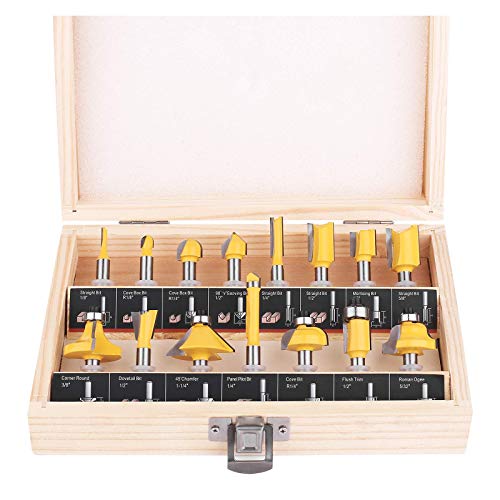
Bit quality matters at least as much as router quality. Sharp, well-made bits cut cleaner and reduce strain. Clean off pitch with a suitable cleaner, and replace chipped or dull bits rather than pushing harder.
Matching a router to the job
Mortises
A plunge router with a straight bit and an edge guide or a mortising jig can cut accurate mortises. Cut in several shallow passes rather than a full-depth plunge, since deep single passes overload the motor and bit. A spiral upcut bit clears chips from deep mortises effectively, although it can tear the top edge slightly, so a clean layout line and a careful first pass help.
Stopped grooves and dadoes
Shelves, drawer bottoms, and back panels often sit in grooves that stop short of the ends. A plunge router lets you start and stop the cut within marked limits. Clamp a fence or use an edge guide so the cut stays straight.
Template and pattern work
Template routing duplicates a shape, using a guide bushing or a bearing-guided bit. A plunge router lets you rout internal cutouts, such as handle openings, which are hard to do with a fixed-base tool.
Dust, noise, and safety
Routers throw chips and dust in all directions, and they are loud. Treat protective gear as part of the tool.
- Wear safety glasses or a face shield, because chips and broken bit fragments can fly.
- Wear hearing protection suited to the noise level.
- Use a respirator appropriate for fine dust when routing, especially with MDF and some hardwoods, and check official ratings and labels on the equipment.
- Connect the dust port to a vacuum when possible. A hose can reduce airborne dust and keep your layout lines visible.
- Unplug the router, or remove the battery, whenever you change a bit, adjust the collet, or service the tool.
- Secure the workpiece with clamps or a non-slip mat. Never hold small pieces in your hand while routing them.
- Keep both hands on the handles, and keep your fingers away from the bit.
- Do not wear loose sleeves, jewelry, or dangling items, and tie back long hair.
- Let the bit reach full speed before touching the wood, and let it stop spinning completely before setting the router down.
Direction of feed matters. For handheld routing, move the tool against the bit’s rotation, which usually means moving left to right on an outside edge and counterclockwise around the outside of a piece, though you should confirm with the manual and instructional resources. Feeding the wrong direction can cause the router to grab and run away from you. Climb cuts, which feed with the rotation, are sometimes used for light cleanup passes, but they are risky and best left until you understand them.
Setup and technique basics
- Unplug the router and install a clean, sharp bit in the matching collet. Tighten with the wrench.
- Set the base on the work and lower the bit until it lightly touches the surface, then lock the plunge and zero the depth scale.
- Release the lock, raise the router, and set the final depth stop. Plan for multiple passes, each removing only a small amount of material.
- Choose the speed that suits the bit diameter and the wood, following the manufacturer’s recommendations.
- Clamp the work and any fence or template. Check that the cord is clear of the cutting path.
- Start the router with the bit above the surface. Let it reach speed, plunge in, lock if required, and move smoothly.
- When you finish the cut, retract the bit fully before lifting the router away from the work.
- Wait for the bit to stop, then unplug the tool before making adjustments.
Make practice cuts on scrap of the same species and thickness. They verify your depth, fence position, and bit quality before you risk a good board. Keep a steady pace: moving too slowly can burn the wood, and moving too fast can leave a rough surface or overload the motor.
Common mistakes to avoid
- Taking too deep a cut. Cutting full depth in one pass stresses the motor and bit. Use several light passes.
- Using dull or dirty bits. They burn, tear out, and force you to push harder.
- Feeding in the wrong direction. This can make the router grab. Learn the correct feed direction for each situation.
- Not clamping the work. A moving workpiece and a spinning bit make a dangerous combination.
- Buying on horsepower alone. Plunge action, depth stop accuracy, and handle comfort affect your results more than a small difference in power.
Who should choose what
| Your situation | Suggested direction | Reason |
|---|---|---|
| First router, mixed projects | Mid-size plunge, half-inch collet, variable speed | Versatile and widely supported by accessories |
| Hinges, inlay, small trim | Compact plunge or palm router | Light and easy to control |
| Frequent mortising | Mid-size plunge with a reliable depth stop and edge guide | Repeatable depth and positioning |
| Router table with large bits | Large router designed for table use | Power and height adjustment from above |
| On-site, light work | Cordless compact router | Mobility, with runtime limits |
Beginners generally do well with a mid-size plunge router and a small set of quality bits: a straight bit, a roundover, and a chamfer. Add an edge guide and a vacuum connection early, since both improve accuracy and cleanliness. Experienced users who already own a fixed-base router often add a plunge router specifically for mortises and template work.
Buying checklist
- Confirm the collet sizes the router accepts and whether adapters are available.
- Check the plunge depth range against your typical mortise or groove depths.
- Test the plunge action for smoothness and lack of side play.
- Look for a depth stop with fine adjustment that holds its setting.
- Select variable speed if you plan to use large-diameter bits.
- Check the weight against how long you will hold it handheld.
- Verify the dust port diameter and which vacuum hoses will fit.
- Confirm which accessories come in the box, such as an edge guide, template guide, and wrenches.
- Read warranty terms and the availability of replacement collets and brushes.
- Budget for quality bits, safety glasses, hearing protection, a respirator, and clamps.
Frequently asked questions
What is the difference between a plunge router and a fixed-base router?
A fixed-base router has its bit depth set before cutting, so it is usually started from an edge. A plunge router lets you lower the spinning bit into the wood during the cut, which suits mortises, stopped grooves, and pockets. Fixed-base tools are often lighter and sit lower for edge work.
Is a half-inch collet necessary?
Not necessarily, but it is helpful. Half-inch shanks are stiffer and handle larger bits better. If your work is limited to small bits, a quarter-inch collet may be sufficient. Many mid-size routers include both sizes or sell an adapter.
How much power do I need?
It depends on the bits and woods you use. Small and medium bits in common hardwoods work fine with modest power if you take light passes. Large bits, long cuts, and table use call for more. Choose based on the largest bit you realistically plan to use.
Can I use a plunge router in a router table?
Some models can be mounted, but not all are convenient for it. You need a compatible mounting plate and a practical way to adjust bit height. Read the manufacturer’s instructions, and consider a router designed for table use if you plan frequent table work.
Why is my router burning the wood?
Burning usually comes from a dull bit, a pass that is too slow, a speed that is too high for the bit diameter, or resin build-up on the bit. Clean or replace the bit, adjust speed, and keep a steady feed rate. Light passes also help.
How deep can I cut in a single pass?
Take shallow passes, especially in hard woods and with small bits. A specific number depends on the bit, router, and material, so start light and increase only if the tool cuts without strain. Several light passes are safer and cleaner than one heavy pass.
Do I need a dust collection hose?
It is strongly recommended. A vacuum connection reduces airborne dust, keeps the cutting line visible, and keeps the shop cleaner. You should still wear a respirator and eye protection, because no collection system captures everything.
Which direction should I feed the router?
Generally, feed against the rotation of the bit. For handheld work, that usually means moving left to right along the outside edge of a workpiece when you face it, and counterclockwise around the outside of a shape. Confirm the correct direction for your setup in instructional resources before cutting.
Conclusion
A plunge router earns its place in the shop by doing jobs that other tools cannot, such as starting a cut away from an edge. For most people, a mid-size tool with a half-inch collet, variable speed, smooth posts, and a dependable depth stop is the wise choice. Pair it with sharp bits, solid clamping, a vacuum, and proper protective equipment, and practice on scrap before you cut your good stock. Start modestly, learn the tool’s behavior, and expand your accessories as your projects demand.
When you are ready to browse options and accessories, these placeholders can point you in the right direction:
Disclosure: As an Amazon Associate, we earn from qualifying purchases. This comes at no extra cost to you.
Related guides
More from Amazon
Programs that pair well with the guide above. Offers and eligibility are set by Amazon and may change.
A free business account with business pricing and bulk-buying tools for work, shop or home office.
Create a business accountFree shipping on eligible items, Prime Video and more. Eligible new members can start with a free trial.
Start a Prime free trialAudiobooks and podcasts to listen to on the go. Eligible new members can start with a free trial.
Try Audible freeAd-free music streaming. Eligible new subscribers can start with a free trial.
Try Music Unlimited freeAs an Amazon Associate we earn from qualifying purchases.


Write Your Review
No reviews yet. Be the first to share your experience!