Best Beginner Climbing Shoes for Comfort
What's inside
As an Amazon Associate I earn from qualifying purchases. This post may contain affiliate links at no extra cost to you.
Contents
Best Beginner Climbing Shoes for Comfort: The Short Answer
For most new indoor climbers, the best beginner climbing shoes are comfortable, flat or mildly downturned lace-ups or hook-and-loop shoes with a reasonably stiff midsole and durable, moderately thick rubber. Start with a snug fit that keeps your heel and toes secure without sharp pain; you do not need to size down aggressively or buy a highly curved performance shoe.
Two dependable starting points are the La Sportiva Tarantulace, which offers an adjustable lace fit, and the Scarpa Origin VS, a more structured hook-and-loop option. They suit different preferences, but the right choice depends more on your foot shape and fit than on brand or climbing grade.
As an Amazon Associate we earn from qualifying purchases at no extra cost to you.


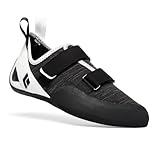

Comfortable Beginner Shoes Compared
The figures below are approximate adult men’s US sizing and typical manufacturer or retailer specifications; exact weight, size range, and fit vary by version and shoe size. Try shoes on when possible, since climbing-shoe sizing does not translate consistently between brands.
| Model | Closure | Shape | Rubber | Best suited to |
|---|---|---|---|---|
| La Sportiva Tarantulace | Laces | Mostly flat, relatively roomy | FriXion RS, about 5 mm | New climbers who want adjustable fit and a versatile first shoe |
| Scarpa Origin VS | Hook-and-loop | Flat, supportive | Vision, about 5 mm | Indoor sessions and climbers who value structure and quick on/off |
| Black Diamond Momentum | Hook-and-loop or lace, depending on version | Flat, neutral | 4.3 mm rubber | Beginners seeking a straightforward, breathable gym shoe |
| La Sportiva Finale | Laces | Neutral with a little more precision | Vibram XS Edge, about 5 mm | Frequent climbers who want an adjustable fit and a shoe that can grow with their skills |
Rubber formulations and shoe specifications can change between product generations. Confirm the details for the exact model and year before buying. The models listed are examples, not a ranking: a shoe that matches your foot will usually serve you better than a supposedly more advanced one.
Choose by Your Climbing Situation
| Your situation | What to prioritize | A sensible starting point |
|---|---|---|
| First few gym visits, once or twice a month | Comfort, durability, easy fit | Neutral shoe with roughly 4–5 mm rubber; avoid a painful performance fit |
| Climbing weekly and trying both routes and boulders | Secure heel, adjustable closure, all-around shape | Lace-up neutral shoe or supportive hook-and-loop model |
| Wide forefoot or toes that feel cramped | Roomier last and enough toe-box volume | Try several brands and models; do not assume sizing up alone will fix a poor shape match |
| Want quick changes between attempts | Easy entry and removal | Hook-and-loop closure, provided the straps secure your foot evenly |
| Expect to climb several times a week | Consistent fit and resolable construction | A durable neutral shoe from a maker that offers resoling in your area |
What Matters Most in a Beginner Climbing Shoe
Fit: snug, secure, not painfully small
A climbing shoe should hold your foot in place so it does not slide when you stand on a small foothold. In a comfortable beginner fit, the heel stays seated, the foot does not shift inside the shoe, and the toes reach the front. Toes may be gently bent, especially in a snug model, but intense pressure, numbness, or sharp pain is a sign to try another size or shape—not a rite of passage.
Check both feet while standing, since one may be larger. Walk briefly, flex your toes, and press into the front of the shoe. A heel gap can cause slipping; pressure over the top of the foot can signal insufficient volume even when the length seems right. Indoor rental shoes can provide a useful sense of how a climbing shoe feels, but they may be stretched or heavily worn.
Closure: choose adjustment or convenience
- Laces: Let you tune tension across different parts of the foot. They are useful if your heel, instep, and forefoot need different levels of snugness, but take longer to put on and can loosen during a session.
- Hook-and-loop straps: Make shoes faster to remove between climbs and are easy to adjust. The fit is determined by the strap layout, so check that the straps close securely without bunching or leaving gaps.
- Slip-ons: Offer a simple, low-profile fit, but usually provide less adjustability. They are not automatically more comfortable; foot shape matters.
Downturn and stiffness: keep the first shoe predictable
A flat, neutral shoe lets your foot sit in a more relaxed position and works well for general indoor climbing. Mild downturn can help direct pressure toward the toe on steeper walls, but pronounced downturn often brings more pressure and is rarely necessary for a first pair.
A stiffer sole supports the foot on small footholds and can feel less tiring for some beginners. A softer shoe bends more easily and gives more feedback on larger footholds, but may demand more foot strength. For a new climber learning foot placement, a moderately stiff, neutral shoe is a forgiving starting point. Neither stiffness nor downturn compensates for a bad fit.
Rubber: grip is only part of the trade-off
Climbing shoes use specialized rubber, and compound, thickness, construction, and wall surface all affect how the shoe feels. Softer rubber can feel tacky and conform to holds but may wear more quickly. Firmer rubber often lasts longer and can feel more supportive on small edges. A sole around 4–5 mm is common on beginner-oriented models: thick enough to tolerate regular gym use, while still allowing useful contact with footholds.
Do not choose by a rubber name alone. Keep the sole clean, avoid dragging it across the floor, and use deliberate foot placements. Poor technique and repeated scraping can wear rubber faster than ordinary climbing.
How to Size and Try Shoes
- Shop late in the day if practical. Feet can swell over the day, so this may give a more realistic fit for a climbing session.
- Try your usual street-shoe size first. Treat it as a starting point, not a rule. Brand sizing varies, and some climbing models are designed to fit closer than everyday shoes.
- Compare neighboring sizes in the same model. Stand on a step or firm edge and see whether your foot stays put without painful pressure.
- Try another model if the shape feels wrong. A longer size may solve toe-length pressure but create heel movement; a different toe-box shape may be the better answer.
- Account for the intended use. For long beginner sessions, a comfortable fit is more useful than a highly compressed fit that makes you want to remove the shoes every few minutes.
There is no reliable universal conversion such as “subtract two sizes.” Some shoes soften and stretch slightly with wear, especially unlined leather, while synthetic and lined shoes generally change less. Do not buy a shoe that is painful on the assumption that it will stretch into the right size.
Ownership: What Wears and What to Avoid
The toe rubber typically wears first, particularly where the big toe contacts holds. Watch for a thinning patch or a hole developing near the toe; climbing on exposed rand material can make repair more extensive. A resolable shoe may be worth maintaining if the upper and shape remain sound, but repair options and costs vary. For an occasional climber, replacement may be more practical than resoling.
After a session, loosen the closure and air the shoes out fully. Avoid leaving them damp in a closed bag or exposing them to a heater, which can damage materials and adhesives. A common beginner mistake is buying a dramatically downturned shoe for its appearance, then wearing it so painfully that it is removed between every attempt. Prioritize a secure, repeatable fit and spend the saved attention on learning accurate footwork.
Bottom Line
For a first pair, look for a comfortable neutral shoe with a secure heel, adjustable or easy-to-use closure, and durable rubber around 4–5 mm thick. Consider the Tarantulace if you want lace-by-lace adjustment, the Origin VS if you prefer hook-and-loop convenience and structure, or the Momentum as a simple neutral option. Try multiple models and sizes: the best beginner climbing shoes are the ones that stay secure on the wall without distracting pain during a full session.