How to Sharpen and Maintain Carbide Table Saw Blades
What's inside
As an Amazon Associate I earn from qualifying purchases. This post may contain affiliate links at no extra cost to you.
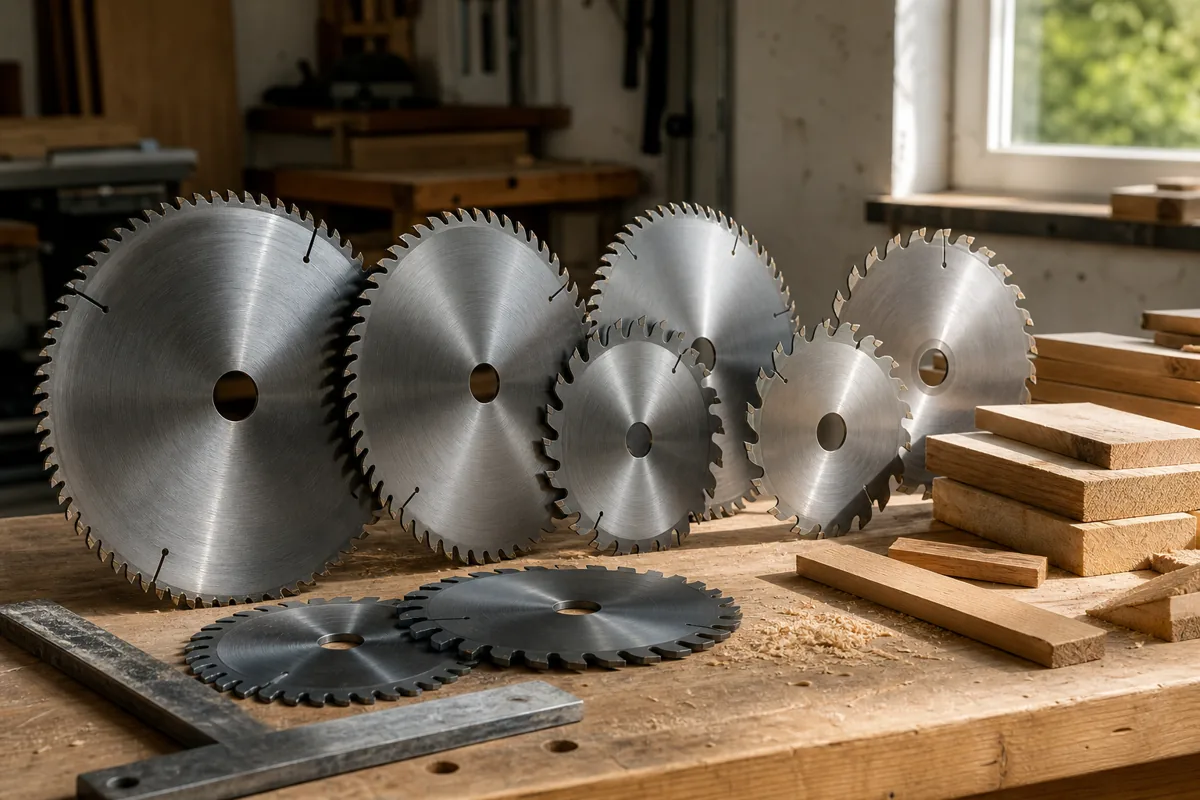
Carbide table saw blades can usually be sharpened several times, but sharpening them at home is rarely a good use of time. Their teeth have hard carbide tips that need a diamond wheel and accurate grinding equipment. A file or ordinary bench grinder can ruin the tooth geometry or overheat the tips. For most woodworkers, sensible maintenance means cleaning the blade, inspecting it, and sending it to a qualified sharpener when cutting quality drops.
Contents
When to sharpen a carbide blade
Look for a combination of symptoms rather than relying on a fixed schedule. A sharp blade cuts without needing much feed pressure. As it dulls, cuts may feel slower, burn marks may appear, and the saw may leave rougher edges or wander more readily. Burning can also come from a dirty blade, a misaligned fence, a pinched kerf, or feeding stock too slowly, so check those causes before ordering a sharpening.
Disconnect the saw before removing the blade. Inspect the teeth under good light. Missing, cracked, or badly chipped carbide is a reason to stop using the blade until a sharpening shop has assessed it. A small chip may be repairable, but extensive damage can make replacement more sensible. Never run a blade with a loose tooth or a damaged plate.
Clean the blade before judging it
Pitch and resin build up on the sides and faces of carbide teeth. That buildup increases friction and can make a serviceable blade act dull. Remove the blade, follow the cleaner maker’s directions, and use a nylon or brass brush rather than a steel brush that could damage the tooth or plate. Rinse or wipe it as directed, then dry it promptly to limit corrosion. Avoid soaking a blade in an unapproved solvent; some cleaners can damage coatings or affect the brazed joints.
A blade cleaner made for saw blades is a practical choice if you cut resinous woods often. For occasional cleanup, a compatible general-purpose cleaner may be enough. After cleaning, inspect again: if burning and poor cutting disappear, the blade may not need sharpening yet.
Sharpening or replacement
A sharpening service can restore tooth faces and edges, check the blade for runout, and sometimes repair minor tooth damage. Ask what the quoted price includes, how many teeth can be repaired, and whether the shop can handle the blade’s tooth geometry and any special coating. A reputable shop will inspect the blade rather than promise that every damaged blade can be saved.
As a rough buying rule, compare the sharpening quote with the cost of a genuinely comparable new blade—not just the cheapest blade on the shelf. If sharpening costs about half the price of a replacement, it can be worthwhile for a quality blade in good condition. If the plate is warped, teeth are missing, or the blade has already been sharpened repeatedly, replacement is often the safer bet. Sharpening removes a small amount of carbide each time, so a blade does not have unlimited service life.
| Option | Best fit | Main trade-off |
|---|---|---|
| Clean and reuse | Blade has pitch buildup but no damaged teeth | Low cost, but does not restore worn carbide |
| Professional sharpening | Good-quality blade with intact plate and repairable wear | Costs money and requires a trip or shipping; quality depends on the shop |
| Replace the blade | Cracked, warped, badly chipped, or uneconomical blade | Higher upfront cost, but avoids paying to repair a poor candidate |
Why home sharpening is usually a poor bet
Carbide is harder than ordinary sharpening stones and files. A proper sharpening setup uses a diamond wheel and fixtures that hold the blade and control tooth angles consistently. Small errors can change the rake or clearance angle, leave teeth at uneven heights, or overheat the carbide. The blade may then cut poorly, vibrate, or become unsafe.
DIY sharpening can make sense if you already own suitable equipment, understand the blade geometry, and can verify the result. Otherwise, compare the cost of a service with the cost of a carbide blade sharpening system before buying one. For a few blades a year, paying a specialist is generally cheaper and more predictable. Do not try to touch up carbide teeth with a handheld grinder while the blade is mounted on the saw.
Choosing a sharpening service
Search for a saw-blade sharpening shop that specifically lists carbide-tipped table saw blades. Ask whether it sharpens all the tooth faces required by your blade design, checks plate flatness, and rejects unsafe blades. If the blade is an unusual thin-kerf, high-tooth-count, or specialty design, confirm that the shop accepts it before making a trip. Keep the blade’s size and tooth count handy when requesting a quote.
When a blade is important to your work, having a spare avoids downtime while it is away. A spare does not need to match a premium blade in every case: for rough construction cuts, a less expensive blade can be adequate, while clean plywood or finish cuts make tooth geometry and cut quality more noticeable. Match the blade diameter and arbor hole to the saw, and follow the saw maker’s limits for blade type and maximum diameter.
Make blades last longer
Clean blades before heavy resin buildup hardens. Store them so the teeth cannot knock against each other or a metal surface; a blade case or a rack with protected slots works well. Use the right blade for the cut, keep the fence and miter slots aligned, and avoid forcing stock through the saw. A dull blade pushed hard makes more heat and can increase the chance of burning or kickback.
Before reinstalling a cleaned or sharpened blade, check that the arbor flanges are clean and the blade seats flat. Fit it in the correct direction, tighten the arbor nut as specified in the saw manual, and rotate the blade by hand to check clearance before reconnecting power. If vibration starts after installation, stop the saw and investigate rather than trying to cut through it.