
What's inside
As an Amazon Associate I earn from qualifying purchases. This post may contain affiliate links at no extra cost to you.
The short answer: the best spokeshaves are the ones whose sole shape matches the curves you actually cut, whose blade holds a keen edge, and whose adjusters let you take whisper-thin shavings without chatter. For most hobbyists, a flat-sole model plus a round-sole model covers nearly every job, from tapering table legs to fairing the edge of a curved rail. Metal-bodied spokeshaves tend to suit people who want repeatable adjustment, while wooden-bodied ones appeal to those who enjoy a lighter, more traditional feel. Brand names matter less than flatness, blade quality and comfortable handles.
This guide does not rank individual products. Instead it explains what a spokeshave does, the main types, the features that separate a pleasant tool from a frustrating one, and how to set one up and use it safely. Treat it as a checklist to narrow your search, then compare current listings and read the maker’s own instructions before you buy or sharpen anything.
Contents
Contents
- What a spokeshave does and when you need one
- The main types of spokeshaves
- Metal, wooden and hybrid bodies
- Blade quality and adjustment features
- Comparison table
- Setting up and using a spokeshave
- Safety in the workshop
- Buyer checklist
- Mistakes to avoid
- Frequently asked questions
- Bottom line
What a spokeshave does and when you need one
A spokeshave is a small two-handed plane built for shaping edges and curves that a bench plane cannot follow. Its short sole lets the blade ride a tight curve, and its two handles let you steer the cut with both hands close to the work. The name comes from its historic job of shaping wheel spokes, but modern woodworkers use it for chair legs, tool handles, oars, paddles, curved cabinet parts, bows, and anything where a rasp leaves too much roughness and sandpaper would take too long.
It sits in a useful middle position among shaping tools. A rasp or a drawknife removes a lot of wood quickly but leaves a rough surface. A spokeshave refines that surface so that sanding becomes a light finishing step rather than a long chore. If your projects involve curves, tapers or rounded edges, a spokeshave quickly earns its place on the bench.
Who benefits most
- Furniture makers who shape cabriole legs, curved aprons and rounded stretchers.
- Chair builders fairing spindles, arms and crest rails.
- Boat and paddle makers working long, flowing shapes in straight-grained stock.
- Hand-tool hobbyists who want a quiet, dust-light way to shape parts without a power sander.
- Handle makers turning rough blanks into comfortable grips for axes, hammers and chisels.
If you only build square boxes and frames, you may never need one. If you ever picked up a curved part and wished for a smoother way to refine it, read on.
The main types of spokeshaves
The sole is the heart of the tool. It determines which surfaces the spokeshave can follow, so start there before you think about anything else.
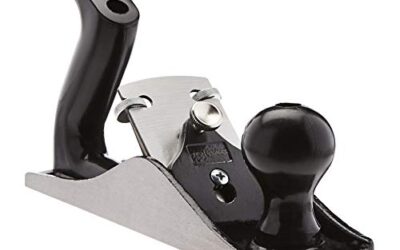
Flat-sole spokeshaves
A flat sole is the most versatile starting point. It handles straight edges, gentle outside curves (convex shapes) and tapers. Because the sole is flat, it will not enter a tight concave curve without digging in at the ends, but for table legs, tool handles and rounded-over edges it is the one most people reach for first. If you can only own one, this is the usual recommendation.
Round-sole (convex) spokeshaves
A round sole curves along its length so the blade can work into concave shapes, such as the inside of a curved rail, a scoop in a seat edge or the hollow of a bowl-like form. The tighter the curve of the sole, the tighter the hollow it can follow, though it also tends to take a more aggressive, localized cut. Many woodworkers keep one of each so they can switch as the shape demands.
Adjustable-sole and curved-bottom models
Some designs let you flex or swap the sole to alter its curve, and others come with a permanently curved bottom. These can reduce the number of tools you need, but check that the mechanism locks firmly. A sole that shifts under pressure will chatter and leave ridges, which defeats the purpose of a finishing tool.
Travishers and specialty shapes
A travisher is a long-handled relative designed for scooping chair seats and similar hollows. Other specialty shapes include very small models for instrument work and compass-style spokeshaves for tight arcs. These suit specific crafts, so do not buy them as your first tool unless you already know the job needs them.
Metal, wooden and hybrid bodies
Metal bodies
Metal spokeshaves, usually cast or machined, tend to offer adjusters for blade depth and lateral position. That makes it easier to set the blade parallel to the sole and to repeat a setting. They are also heavy enough to feel stable. The downside is that cheap castings may not arrive flat, so the sole may need lapping, and the lever cap may not apply even pressure.
Wooden bodies
Wooden spokeshaves are lighter and warm in the hand. Adjusting the blade usually involves tapping it forward or back, which many people find intuitive after a little practice. They can be gentler on delicate work, but the wooden sole wears over time and needs attention. If you enjoy traditional tools and do not mind a short learning curve, they are a rewarding choice.
Blade quality and adjustment features
The blade matters more than the body. A spokeshave with a poor blade will tear grain no matter how elegant the casting looks.
Steel and hardness
Look for blades described as hardened tool steel, and check whether the listing says anything about flatness on the back. Harder blades tend to hold an edge longer but can take more effort to sharpen. Softer blades sharpen easily but need touching up more often. For a first spokeshave, a blade you can sharpen with the equipment you already own is more useful than the hardest blade on the market.
Cap iron or lever cap fit
The piece that clamps the blade should seat firmly and evenly. If it rocks, the blade can vibrate and chatter. Some models include a cap iron that curls the shaving away to reduce tear-out, while simpler designs rely on a lever cap alone. Inspect photos of the underside and read buyer feedback about how well the cap seats.
Mouth opening
A narrow mouth supports the wood fibers ahead of the edge and reduces tear-out. A wide mouth clears thick shavings more easily. Some spokeshaves let you adjust the mouth, which is useful if you switch between heavy stock removal and fine finishing.
Depth and lateral adjusters
Thumbscrews or knurled wheels that advance the blade in tiny increments make it much easier to dial in a thin shaving. Lateral adjustment lets you square the blade to the sole. If a model lacks adjusters, expect to set the blade by tapping, which works but takes practice.
Handles and grip
Handles should fit your hands and allow your thumbs to push from behind the blade without strain. Short, fat handles can cramp small hands, while thin ones can be uncomfortable during long sessions. If possible, hold a similar model in a shop before ordering.
Comparison table
The table below summarizes the general trade-offs between common styles. It describes types of tool, not specific products, so use it to decide what to shop for.
| Type | Best for | Strengths | Watch out for |
|---|---|---|---|
| Flat sole | Straight edges, tapers, outside curves | Versatile, easy to control, good first purchase | Cannot follow tight hollows |
| Round sole | Concave curves, scooped edges | Reaches hollows a flat sole cannot | Can dig in if the depth is set too aggressively |
| Adjustable or curved-bottom | Mixed shapes with one tool | Fewer tools to buy and store | Sole must lock firmly to avoid chatter |
| Metal body | Repeatable fine setup | Stable, precise adjusters | Cheap castings may need sole flattening |
| Wooden body | Light, traditional work | Comfortable, simple, quiet | Sole wear, tap-to-adjust learning curve |
| Travisher or specialty | Chair seats, instruments | Purpose-built for hollows | Narrow use, not a first tool |
If you want to compare the common starter styles side by side, browse flat-sole spokeshaves and round-sole spokeshaves and measure each listing against the checklist below.
Setting up and using a spokeshave
Check flatness and sharpen first
Even a new tool deserves a quick inspection. Lay a straightedge along the sole and look for gaps. Check that the back of the blade is flat near the edge, since a spokeshave cannot cut cleanly with a hollow or rounded back. Then sharpen the bevel with the method you already use, whether that is waterstones, diamond plates or a honing guide for small blades. A narrow blade can be awkward to hold, so many woodworkers use a small jig or a block to keep the angle steady.
Set the blade for a whisper-thin cut
Place the blade so that it just barely projects. Run the sole across a piece of scrap and listen: a thin, silky shaving means the setting is close, and a coughing, tearing sound means the blade is too deep. It is easier to advance gradually than to retreat from a deep cut.
Technique that gives clean curves
- Secure the work. Clamp it in a vise or against a bench stop so both hands are free.
- Read the grain. Cut downhill, in the direction the fibers rise to the surface. If the surface tears, turn the piece around and cut from the other end.
- Use the whole stroke. Start with the sole flat on the surface and travel smoothly through the cut, rather than stabbing at one spot.
- Skew the tool. A slight angle effectively lowers the cutting angle and can smooth difficult grain.
- Push or pull. Many spokeshaves can be used in either direction. Pulling gives you a good view of the cut, while pushing can give more power. Choose the direction that suits the grain and your comfort.
- Check your shape often. Run your fingertips along the surface, feeling for flats and bumps, and sight along the edge in good light.
Safety in the workshop
Spokeshaves are hand tools, but the blades are sharp, and small parts have a way of shifting at the wrong moment.
- Clamp the work. Do not hold a small part in one hand while shaving toward your fingers or body.
- Keep both hands behind the blade. Your thumbs push from the rear of the handles, and your fingers never sit in front of the mouth.
- Handle blades carefully when sharpening. Small blades are hard to grip, so use a holder or guide and consider cut-resistant gloves while you hone.
- Retract the blade for storage. A loose tool in a drawer is a hazard when you reach in without looking.
- Wear eye protection. Shavings and chips can fly, especially from dry or knotty wood.
- Mind dust. Fine sanding after shaping produces dust, so use a mask appropriate for wood dust and good ventilation.
- Follow the manufacturer’s instructions. Check current specifications and guidance for the exact model you buy, including any warnings about blade installation.
Buyer checklist
- Decide which curves you cut most: outside, inside or both.
- Pick a sole shape to match, usually flat first and round second.
- Confirm the blade is described as hardened tool steel and that you can sharpen it with your current setup.
- Look for a lever cap or cap iron that seats evenly without rocking.
- Prefer models with fine depth adjusters if you dislike tapping the blade.
- Check whether the sole is machined flat or will need lapping.
- Consider handle shape and size for your hands.
- Read the return policy so you can send back a tool that arrives with a warped sole.
- Budget for sharpening supplies and a spare blade if the maker sells one.
- Check current specifications and instructions on the product page before ordering.
Mistakes to avoid
- Buying a round sole first. It is excellent for hollows but less forgiving for general work, so most beginners are better served by a flat sole first.
- Skipping the blade check. A blade with a hollow back or a poorly ground bevel will never cut cleanly until you correct it.
- Setting the blade too deep. Heavy cuts cause tear-out and make the tool grab. Start fine.
- Fighting the grain. If the wood tears, change direction instead of pressing harder.
- Working unclamped parts. This is the quickest route to a cut finger or a slipped shape.
- Letting the blade go dull. People sometimes push harder instead of honing, which reduces control.
- Ignoring sole flatness. A rocking sole leaves ridges and uneven curves.
- Expecting a spokeshave to replace every shaping tool. Remove the bulk with a saw, rasp or drawknife, then refine with the spokeshave.
Frequently asked questions
1. What is a spokeshave used for?
It shapes and smooths curved or rounded wood surfaces, such as chair legs, handles, paddles and curved rails. It refines surfaces left rough by a saw, rasp or drawknife.
2. Should I buy a flat or round sole first?
A flat sole is usually the better first purchase because it handles straight edges, tapers and outside curves. Add a round sole later when you have concave shapes to cut.
3. Are metal or wooden spokeshaves better?
Neither is better in every situation. Metal bodies usually offer more precise adjustment and weight, while wooden ones feel lighter and traditional. Pick the one whose adjustment method you will enjoy using.
4. How do I stop a spokeshave from chattering?
Check that the blade is sharp, the lever cap is seated evenly, the blade is not set too deep and the sole is not loose or warped. Also check that your technique keeps the sole flat on the work.
5. Can I sharpen a spokeshave blade by hand?
Yes. Many woodworkers use stones or diamond plates with a small guide or holder. Because the blade is short, a holder keeps your fingers away from the edge and helps maintain a consistent angle.
6. Which direction should I cut?
Cut with the grain, in the direction the fibers rise toward the surface. If you see tear-out, turn the piece around. Many tools allow either pushing or pulling, so choose whichever gives the cleanest cut.
7. Do I need a travisher for chairs?
Only if you plan to scoop seats. For spindles, arms and legs, an ordinary flat and round pair usually serves well.
8. Is a spokeshave safe for beginners?
It is a simple hand tool, and it becomes safe with good habits: clamp the work, keep hands behind the blade, protect your eyes and follow the manufacturer’s instructions. Start with softer, straight-grained wood while you learn how the tool behaves.
Bottom line
The best spokeshave is the one that matches your curves, holds a sharp edge and adjusts smoothly. Start with a flat sole, add a round sole when your projects demand it, and spend time on sharpening and setup, because that matters more than the badge on the casting. Before you commit, check current specifications and instructions, then browse a replacement spokeshave blade if you want a spare, or look through a honing guide for small blades to keep the edge consistent.
Disclosure: As an Amazon Associate, we earn from qualifying purchases. Links marked as sponsored may earn us a commission at no extra cost to you.
Related guides
More from Amazon
Programs that pair well with the guide above. Offers and eligibility are set by Amazon and may change.
A free business account with business pricing and bulk-buying tools for work, shop or home office.
Create a business accountFree shipping on eligible items, Prime Video and more. Eligible new members can start with a free trial.
Start a Prime free trialAudiobooks and podcasts to listen to on the go. Eligible new members can start with a free trial.
Try Audible freeAd-free music streaming. Eligible new subscribers can start with a free trial.
Try Music Unlimited freeAs an Amazon Associate we earn from qualifying purchases.

Write Your Review
No reviews yet. Be the first to share your experience!