Best Black Friday Robot Vacuum Deals
What's inside
- Top 3 Picks
- Quick Comparison
- How We Chose
- 1. ROPVACNIC Robot Vacuum and Mop Combo 5200Pa – Best for Tight Budgets and Simple Floors
- 2. iRobot Roomba 105 Vac – Best for First-Time Buyers Who Want Navigation
- 3. iRobot Roomba 415X – Best for Hands-Off Whole-Home Cleaning
- 4. Tikom Robot Vacuum and Mop Combo, 5000Pa – Best for Long Runtime on One Charge
- 5. roborock Robot Vacuum Mop with LiDAR, 10000Pa – Best for Pet Hair and Mixed Flooring
- 6. dreame L40 Ultra Gen 2 – Best for Maximum Suction and Deep Carpet Cleaning
- 7. VONKO Robot Vacuum and Mop, 8000Pa – Best Mid-Range Value with Self-Emptying
- 8. Lefant M2 Plus – Best for Apartments and Under-Furniture Reach
- 9. wrydao Robot Vacuum and Mop Combo, 6000Pa – Best for Small Homes Wanting LiDAR and Self-Emptying
- Related Guides
As an Amazon Associate I earn from qualifying purchases. This post may contain affiliate links at no extra cost to you.
The best Black Friday robot vacuum deals in 2026 are not the ones with the largest advertised discount — they are the ones whose specs match your floors, your floor plan and how often you are willing to touch the machine. For most homes, the best overall pick is the roborock LiDAR robot vacuum and mop with 10,000Pa suction and a 7–9 week self-emptying base: LiDAR mapping copes with multi-room layouts, the anti-tangle design suits pet hair, and you empty the dock roughly monthly instead of daily. If you want the least expensive machine that still navigates a floor plan properly, the iRobot Roomba 105 Vac is the best budget pick, pairing LiDAR navigation and power-lifting suction with a vacuum-only design. If suction and hands-off maintenance matter more than price, the dreame L40 Ultra Gen 2 with 25,000Pa is the best premium pick for carpet-heavy homes. Everything below compares all nine models by floor type, home size, obstacle avoidance and self-emptying, so you can match a deal to your cleaning needs rather than to a banner.
Contents
- Top 3 Picks
- Quick Comparison
- How We Chose
- 1. ROPVACNIC Robot Vacuum and Mop Combo 5200Pa – Best for Tight Budgets and Simple Floors
- 2. iRobot Roomba 105 Vac – Best for First-Time Buyers Who Want Navigation
- 3. iRobot Roomba 415X – Best for Hands-Off Whole-Home Cleaning
- 4. Tikom Robot Vacuum and Mop Combo, 5000Pa – Best for Long Runtime on One Charge
- 5. roborock Robot Vacuum Mop with LiDAR, 10000Pa – Best for Pet Hair and Mixed Flooring
- 6. dreame L40 Ultra Gen 2 – Best for Maximum Suction and Deep Carpet Cleaning
- 7. VONKO Robot Vacuum and Mop, 8000Pa – Best Mid-Range Value with Self-Emptying
- 8. Lefant M2 Plus – Best for Apartments and Under-Furniture Reach
- 9. wrydao Robot Vacuum and Mop Combo, 6000Pa – Best for Small Homes Wanting LiDAR and Self-Emptying
- Related Guides
Our Top Picks


Top 3 Picks
Best overall: roborock Robot Vacuum and Mop with LiDAR, 10,000Pa
It hits the middle of every important trade-off at once: LiDAR navigation that maps a multi-room home in the dark, 10,000Pa of suction that clears low- and mid-pile carpet, an anti-tangle design aimed at hair, and a self-emptying dock rated at 7–9 weeks between bin changes. It suits a typical two- to four-bedroom home with a mix of hard floor and rugs, and it is the model we would point most shoppers toward if the price tier is affordable.
Best budget: iRobot Roomba 105 Vac
LiDAR navigation is the feature that separates a robot you tolerate from one you rely on, and it is rare in the budget tier — the Roomba 105 brings it, along with the power-lifting suction and multi-surface handling described in its listing. It is a vacuum only, so it suits apartments, all-hard-floor homes and buyers who would rather not deal with a mop tank.
Best premium: dreame L40 Ultra Gen 2
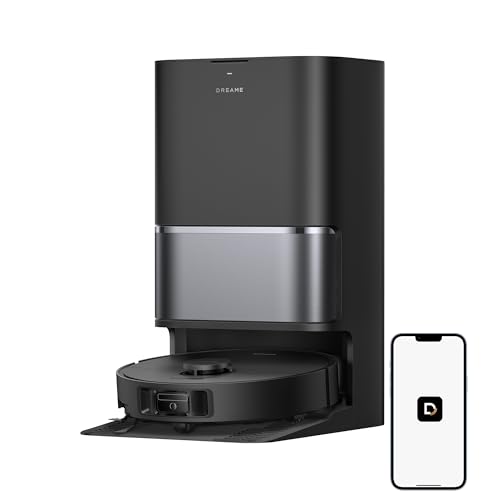
With 25,000Pa of stated suction, this is the pick for carpet-heavy homes, shedding pets and anyone who wants the dock to do almost everything — the L40 Ultra line sits in the brand’s all-in-one base station tier. It costs the most here, so it only makes sense if deep carpet cleaning and near-zero hands-on maintenance are the actual priorities.
Quick Comparison
Every model below is a current listing. Price tiers replace exact figures because Black Friday pricing moves daily and a deal that looks strong today can be beaten tomorrow; use the tier to narrow the field, then compare live prices at the moment you buy.
| Product | Best for | Key specs | Price tier |
|---|---|---|---|
| ROPVACNIC Robot Vacuum and Mop Combo | Smallest homes and hard floors on the tightest budget | 5,200Pa suction; vacuum-and-mop combo; entry-class navigation | Budget |
| iRobot Roomba 105 Vac | First-time buyers who want real navigation | LiDAR navigation; power-lifting suction; multi-surface; vacuum only, no mop | Budget |
| iRobot Roomba 415X | Large homes wanting a fully hands-off routine | 20,000Pa suction; mop combo; 90-day self-emptying; multifunction self-cleaning dock | Premium |
| Tikom Robot Vacuum and Mop Combo | Long runtime on one charge, remote-control households | 5,000Pa suction; 150 min max runtime; app and remote control; mop combo | Budget |
| roborock Robot Vacuum Mop with LiDAR | Pet hair and mixed flooring in a normal family home | 10,000Pa suction; LiDAR navigation; anti-tangle design; 7–9 week self-emptying | Premium |
| dreame L40 Ultra Gen 2 | Deep carpet cleaning and maximum suction | 25,000Pa suction; vacuum and mop; Ultra-class all-in-one base station | Premium |
| VONKO Robot Vacuum and Mop | Mid-range buyers who want self-emptying plus LiDAR | 8,000Pa suction; LiDAR navigation; self-emptying dock; vacuum and mop | Mid-range |
| Lefant M2 Plus | Apartments and low-clearance furniture | 75-day self-emptying; 140 min runtime; mop combo; compact-body design family | Mid-range |
| wrydao Robot Vacuum and Mop Combo | Small homes wanting LiDAR and a self-empty dock cheaply | 6,000Pa suction; LiDAR navigation; self-emptying; mop combo | Mid-range |
How We Chose
This roundup is research-based, not test-based: we did not run these units, benchmark them or live with them. Selection started with what each listing actually states — suction in pascals, stated runtime, navigation type, whether a dock empties the bin, whether a mop is included and how long the dock is rated to last — and then we sorted each machine into the situation it genuinely fits. A 5,000Pa robot is not a worse product than a 25,000Pa one; it is a worse product for a home with mid-pile carpet and a better one for a studio apartment with vinyl plank.
Three further filters decided the final nine. Category fit: does the machine solve a real, distinct problem, or is it a near-duplicate of another pick? Use case: does it have a clear answer for floor type, home size, obstacle avoidance or self-emptying, rather than just a low price? Upgrade path: if you outgrow it, is the next step obvious — budget vacuum-only to mid-range self-emptying to premium all-in-one dock? We also weighted consumable availability and dock footprint, because those are the two things buyers most often discover too late. Finally, we kept one product per price tier and use case so the list works as a decision set rather than a catalogue.
1. ROPVACNIC Robot Vacuum and Mop Combo 5200Pa – Best for Tight Budgets and Simple Floors
As an Amazon Associate we earn from qualifying purchases at no extra cost to you.

The ROPVACNIC combo is the entry point of this list and it is honest about what it is: a 5,200Pa vacuum-and-mop robot aimed at small, mostly hard-floored homes where the cleaning job is straightforward. It suits a studio or one-bedroom apartment, a dorm room, a finished basement or a secondary floor where you want basic daily debris pickup without spending mid-range money. It also suits a buyer who has never owned a robot vacuum and wants to find out whether the routine fits their life before committing several hundred dollars to it.
Key specs
- Stated suction: 5,200Pa — the entry tier of this list, adequate for sealed hard floors and thin rugs
- Function: vacuum and mop combo, so it sweeps and wipes in one pass
- Navigation class: the listing does not specify LiDAR or camera mapping, so expect entry-class navigation — bump-and-run plus basic sensors rather than a mapped, room-by-room plan
- Self-emptying: not stated, so plan on emptying the onboard bin by hand after most runs
- Best floor types: tile, vinyl plank, laminate, sealed hardwood; thin low-pile rugs at best
The strength here is cost of entry against function. Five thousand pascals of suction is not a marketing number you can ignore on hard floors — dust, cereal, kitty litter and hair all lift fine when there is no carpet pile holding them down. The mop function means one machine covers both jobs in a small space, which matters more in a 40-square-metre apartment than in a house where you would run a dedicated mop anyway. And because there is no self-emptying dock, the footprint is minimal: you need a wall outlet and a little clearance, not a base station the size of a small bin.
The trade-off is navigation and maintenance labour. Without mapped navigation, the robot covers a room by bouncing and re-crossing it, which means more passes over the same square metre and a higher chance of missing a corner. You will also be emptying the bin frequently — in a home with pets, potentially after every single run. If your home is larger than about 60 square metres, or split across two floors with a lot of furniture, that combination gets old quickly.
Pros
- Lowest cost of entry in this comparison, which makes it a low-risk way to test whether a robot fits your routine
- 5,200Pa is genuinely sufficient on sealed hard floors and thin rugs
- Vacuum and mop in one unit keeps a small space covered with one device
- No dock means almost no floor space is given up
- Simple hardware means fewer parts to break, clean or replace
Cons
- No mapped navigation stated, so coverage is less efficient and less predictable than LiDAR models
- Manual bin emptying after most runs, and no self-empty dock option
- Suction class is too low for mid-pile or high-pile carpet
- Obstacle avoidance will be basic, so cables, socks and pet accidents need to be cleared first
- Consumable and spare-part availability is less certain than with a large established brand
Against the nearest alternative in this list, the Tikom combo, the decision comes down to runtime versus suction: the Tikom lists a 150-minute maximum runtime against this model’s 5,200Pa, so if you have one large open floor and want a single long run, the Tikom is the better fit, while the ROPVACNIC is the better fit if you simply want the lowest possible spend on a small hard-floored space. Against the Roomba 105, the ROPVACNIC wins on price and adds mopping, but loses on navigation and brand support.
2. iRobot Roomba 105 Vac – Best for First-Time Buyers Who Want Navigation

The Roomba 105 Vac is the budget pick we would recommend to most first-time buyers, because it puts LiDAR navigation — the feature that actually changes how a robot behaves day to day — into the entry price tier. It suits apartments and single-floor homes with hard floors and low-pile rugs, buyers who want a vacuum only and have no interest in mopping, and anyone who values the spare-part and consumable availability that comes with a long-established robot vacuum brand.
Key specs
- Navigation: LiDAR, which maps in the dark and produces a room-by-room plan rather than a random walk
- Suction: described as intense power-lifting suction — the listing does not publish a pascal figure, so judge it by class rather than by number
- Surfaces: multi-surface cleaning, meaning hard floors and low-pile carpet
- Function: vacuum only — no mop tank, no mop pad, no dock self-emptying stated
- Positioning: iRobot’s entry tier, and the brand’s most widely supported product family for replacement brushes, filters and batteries
The reason navigation matters more than suction at this price is simple arithmetic. A mapped robot covers a room in systematic passes, so a 60-minute run cleans far more usable floor than a 60-minute random-walk run that re-covers the same patches. LiDAR also works in low light, which matters if you schedule cleaning at night or in a hallway with no windows. That combination — efficient coverage plus a modest suction class — is why this model beats higher-suction budget robots on real-world results in an apartment.
The second strength is ownership. iRobot has been making robot vacuums for well over two decades, so filters, edge-sweeping brushes and batteries are widely stocked, and the app ecosystem is mature. That sounds like a minor point until you are three years in and need a $15 part that a no-name brand stopped making. Multi-surface handling also means the machine adjusts between hard floor and rug without you reconfiguring anything.
Pros
- LiDAR navigation in a budget-tier machine — the single biggest quality-of-life upgrade at this price
- Maps and cleans efficiently in the dark, so overnight schedules work
- Vacuum-only design removes mop tanks, pads and water refills from the routine
- Strong spare-part and consumable availability from an established brand
- Simple, low-friction setup that suits someone buying their first robot
Cons
- No mopping at all, so hard floors need a separate mop or manual routine
- No self-emptying dock stated, so the bin is a hands-on job — more often if you have pets
- No published suction figure, which makes direct spec comparison against 5,000–10,000Pa rivals difficult
- Suction class is unlikely to satisfy a home with mid-pile carpet throughout
- Premium features such as mop washing or object recognition are absent by design
The nearest alternative is the ROPVACNIC combo. The ROPVACNIC costs less and includes mopping; the Roomba 105 gives you LiDAR mapping, better coverage efficiency and far better long-term parts support in exchange for dropping the mop. If your home is mostly hard floor and you have ever been annoyed by a robot missing the same corner every run, pay the difference. If you are cleaning a single small room and want to spend as little as possible, the ROPVACNIC is defensible.
3. iRobot Roomba 415X – Best for Hands-Off Whole-Home Cleaning

The Roomba 415X is the most automated machine in this list on the maintenance side, and it suits a large, busy household that wants the robot to be genuinely self-sufficient. Its listing states 20,000Pa of suction, a vacuum-and-mop combo design, a 90-day self-emptying rating and a multifunction dock that self-cleans. That combination fits a three- to five-bedroom home with a mix of hard floor, rugs and some carpet, plus owners who travel, work long hours or simply refuse to think about a dust bin every second day.
Key specs
- Stated suction: 20,000Pa — deep-carpet class, and among the highest figures in this comparison
- Function: vacuum and mop combo, so both floor jobs are covered by one machine
- Self-emptying: rated at up to 90 days between dock empties, the longest interval stated on this list
- Dock: multifunction and self-cleaning, which in this class means the dock handles bin emptying and mop-pad washing rather than just charging
- Ownership profile: highest upfront cost, lowest routine labour, highest consumable count (bags, filters, brushes, mop pads)
Ninety days between empties is the headline, and it is worth translating: that is roughly one bag change per quarter, or four per year, assuming average debris loads in an average home. Heavy shedding seasons and a long-haired pet will shorten it — treat 90 days as a ceiling, not a promise. The self-cleaning dock matters just as much for the mop side, because a mop pad left damp in a dock is the fastest route to a sour smell in a hallway. In practice, a dock that rinses the pad after each run converts mopping from a chore you skip into one that happens automatically.
The 20,000Pa class also changes what the robot can do on carpet. At that level you can expect meaningful pickup from low- and mid-pile carpet rather than just surface debris, and multi-pass runs on a mapped floor plan start to look like a credible substitute for vacuuming yourself. Combined with the long self-empty interval, this is the configuration for someone who wants to set a schedule once and then forget the machine exists for weeks at a time.
Pros
- Longest stated self-emptying interval here at up to 90 days
- 20,000Pa suction puts it in the deep-carpet class
- Self-cleaning multifunction dock handles both bin emptying and mop-pad washing
- Vacuum and mop combo covers both floor jobs in one pass
- Mature brand ecosystem for parts, consumables and app support
Cons
- Premium tier pricing — the highest upfront spend in this roundup
- The dock needs real floor space plus clearance in front, which is a problem in tight hallways
- Bag and pad consumables are an ongoing annual cost that budget buyers often overlook
- More complex hardware means more that can need cleaning or servicing over time
- Overkill for a studio or one-bedroom apartment, where the dock takes up a disproportionate share of the floor
Its nearest rival is the dreame L40 Ultra Gen 2, and the split is clean. The dreame lists a higher 25,000Pa suction figure and its Ultra-class dock is the more feature-dense all-in-one station; the Roomba 415X counters with the longest stated self-empty interval at 90 days and a brand with unusually deep parts availability. Choose the dreame if raw carpet pickup is the priority; choose the Roomba 415X if you want the longest possible gap between you and the dust bag.
4. Tikom Robot Vacuum and Mop Combo, 5000Pa – Best for Long Runtime on One Charge

Tikom’s combo is the budget pick for anyone whose home is one long open floor rather than a maze of small rooms. The listing states a 150-minute maximum runtime — the longest in this comparison — alongside 5,000Pa of suction and both app and remote control. It suits open-plan apartments and single-storey homes where a single uninterrupted run should cover everything, and it suits households with a mix of ages, because the included remote means nobody has to own a smartphone to start a clean.
Key specs
- Stated suction: 5,000Pa — hard-floor and thin-rug class
- Runtime: up to 150 minutes maximum, the longest figure stated in this list
- Control: app plus a physical remote, which is unusual at this tier
- Function: vacuum and mop combo
- Navigation class: not specified as LiDAR or camera in the listing, so expect entry-class coverage rather than full room mapping
Runtime is the underrated spec. A 150-minute ceiling means that even after efficiency losses — turns, re-covers, a rug transition or two — you are likely to finish a 70- to 90-square-metre open plan on one charge instead of watching the robot crawl back to its dock halfway through. In an open-plan layout with few doorways, that matters more than a small suction bump, because the failure mode people actually complain about is a half-cleaned floor, not a marginally weaker lift on crumbs.
The remote control is a genuinely practical inclusion rather than a gimmick. Robot vacuum apps assume a phone, a stable Wi-Fi network and a comfort with menus; a remote lets a guest, a parent or a housemate press one button and send the robot out. Combined with the mop function and the low price tier, that makes this a sensible machine for a household where the robot is shared rather than owned by one tech-comfortable person.
Pros
- 150-minute stated runtime is the longest here — good for large open-plan floors
- App and physical remote control both included
- Vacuum and mop combo at a budget price
- Simple operation that does not require a smartphone
- Low-risk price point for a first robot or a second unit for one floor
Cons
- 5,000Pa suction is not enough for mid-pile or high-pile carpet
- No self-emptying dock stated, so the bin is a manual job
- Navigation class is unspecified, so coverage will be less systematic than a LiDAR model
- Long runtime can also mean a long charge time — plan around one run per day
- Less brand depth for spares than the established names in this list
Versus the ROPVACNIC, this is a straight swap of priorities: the Tikom gives up 200Pa of suction and gains roughly triple the stated runtime plus a remote control. On a hard-floored open plan, take the Tikom. Versus the Roomba 105, the Tikom wins on runtime, mopping and remote control but loses on navigation quality and parts availability — and navigation is the spec you feel every single day.
5. roborock Robot Vacuum Mop with LiDAR, 10000Pa – Best for Pet Hair and Mixed Flooring

This is the best overall pick for a normal family home, and the reason is balance rather than any single headline number. The listing states LiDAR navigation, 10,000Pa of suction, an anti-tangle design and a self-emptying dock rated at 7–9 weeks. That combination suits a two- to four-bedroom home with hard floors plus rugs or low-pile carpet, at least one shedding pet, and owners who want to empty the dock about once a month rather than think about the robot daily.
Key specs
- Stated suction: 10,000Pa — comfortably into mid-pile carpet territory
- Navigation: LiDAR, for mapped, room-by-room cleaning that works in the dark
- Anti-tangle design: aimed specifically at hair wrap around the brush roll, the number one maintenance complaint among pet owners
- Self-emptying: rated at 7–9 weeks between dock empties — roughly one change every one to two months
- Function: vacuum and mop in one unit
Hair is the reason the anti-tangle detail deserves its own line. On a conventional brush roll, long hair and pet fur wind around the roller, then around the end bearings, until the brush stops turning and the motor strains. Owners who do not cut it free every week or two end up replacing brush rolls far earlier than they expect. A design that reduces that wrap directly extends the life of the part and removes the most tedious job in the whole maintenance routine — which is why this model suits pet households better than higher-suction rivals that ignore the problem.
LiDAR plus 10,000Pa is also the point where a robot stops feeling like a toy. You get a saved map, room-by-room scheduling, no-go zones and efficient coverage in the dark, backed by enough lift to pull grit out of a low-pile rug rather than just skimming the surface. The 7–9 week self-empty interval is shorter than the 90-day claim on the Roomba 415X, but it is long enough that the bin becomes a monthly task instead of a daily one.
Pros
- Balanced spec set: LiDAR navigation, 10,000Pa suction, mopping and self-emptying in one machine
- Anti-tangle design targets the most common pet-owner maintenance problem
- LiDAR mapping supports room-by-room scheduling and works in low light
- 7–9 week self-emptying interval means roughly monthly bin changes
- Suits the widest range of homes on this list — hard floor, rugs and low-pile carpet together
Cons
- Premium tier pricing rather than budget
- 10,000Pa is below the 20,000–25,000Pa deep-carpet class, so wall-to-wall mid-pile carpet will need multiple passes
- Shorter self-empty interval than the 90-day figure claimed by the Roomba 415X
- Dock still needs floor space and clearance, plus bags or a canister to manage
- More features mean a longer setup and app learning curve than a budget machine
Against the VONKO — the mid-range self-emptying LiDAR alternative — the roborock asks for more money and returns more suction (10,000Pa versus 8,000Pa) plus the anti-tangle design and a longer stated self-empty interval. Against the dreame L40 Ultra Gen 2, it gives away suction (10,000Pa versus 25,000Pa) and dock features, but it covers a mixed-floor home perfectly well for less. If your home is mostly hard floor with rugs, this is the sensible ceiling of what you need.
6. dreame L40 Ultra Gen 2 – Best for Maximum Suction and Deep Carpet Cleaning
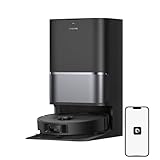
The L40 Ultra Gen 2 is the suction leader of this roundup at a stated 25,000Pa, and it is aimed squarely at homes where carpet is the main event rather than an accent. It suits a large house with mid-pile carpet in bedrooms and living areas, households with multiple heavy-shedding pets, and buyers who want the dock to handle as much of the routine as possible — the Ultra name in dreame’s range denotes the brand’s all-in-one base station tier, which means bin emptying and mop pad washing live in the dock rather than in your hands.
Key specs
- Stated suction: 25,000Pa — the highest figure on this list, in the deep-carpet class
- Function: vacuum and mop in one machine
- Dock class: Ultra-class all-in-one base station, the tier that combines self-emptying with mop-pad care
- Navigation class: LiDAR-class mapping, as is standard across this brand’s higher tiers
- Positioning: premium tier, with the largest dock footprint and the highest consumable count of the picks here
What 25,000Pa buys you is not louder marketing — it is passes. On mid-pile carpet, a 5,000Pa robot lifts surface debris and leaves the grit that sits at the base of the pile; a 25,000Pa machine pulls that grit up in fewer passes, which is why the suction number correlates with how the carpet feels underfoot after a month of robot-only cleaning. In a home where the robot replaces a full-size vacuum rather than supplementing it, that difference is the whole argument for the premium tier.
The all-in-one dock reinforces the same idea from the maintenance side. Self-emptying removes the bin from your routine; mop-pad washing removes the damp-pad problem that makes mopping the first thing people stop doing. Together they push the machine toward set-and-forget, which is exactly what a large, busy household needs. The cost of that convenience is space and consumables: a base station of this class is a substantial object that needs wall clearance and free floor in front, and it consumes bags or canister empties plus mop pads over time.
Pros
- Highest stated suction here at 25,000Pa — the deep-carpet class
- Ultra-class dock handles bin emptying and mop-pad washing together
- Suits large homes with multiple shedding pets
- Combines vacuuming and mopping in one automated routine
- Fewest reasons to intervene manually during a normal week
Cons
- Premium pricing — the biggest upfront spend in this comparison
- Large dock footprint, which rules out tight hallways and small apartments
- Ongoing bag and mop-pad costs are part of ownership, not optional extras
- Far more capability than a hard-floored apartment needs
- Complex dock means more components to clean and maintain over the years
Its nearest competitor is the Roomba 415X, and the two are close enough that the tie-breaker is your floor. The dreame wins on stated suction (25,000Pa versus 20,000Pa) and on the depth of its all-in-one dock features. The Roomba 415X wins on the longest stated self-emptying interval at up to 90 days. If your home is wall-to-wall carpet, take the suction; if it is mixed floor and you hate changing bags, take the interval. Against the roborock, this is simply a step up in suction and dock capability for a higher price.
7. VONKO Robot Vacuum and Mop, 8000Pa – Best Mid-Range Value with Self-Emptying

The VONKO is the value sweet spot for buyers who want self-emptying and LiDAR navigation but cannot justify premium money. Its listing states 8,000Pa of suction, LiDAR navigation, a self-emptying dock and vacuum-and-mop function. It suits a two- or three-bedroom home with hard floors and low-pile rugs, owners who want to empty a bin monthly rather than daily, and shoppers who would rather put the savings toward bags and filters than toward a bigger suction number.
Key specs
- Stated suction: 8,000Pa — the low-to-mid carpet class, and enough for hard floors plus rugs
- Navigation: LiDAR, for mapped room-by-room cleaning that works in the dark
- Self-emptying dock: stated, which is the feature that separates this tier from the budget picks
- Function: vacuum and mop in one unit
- Positioning: mid-range tier — roughly the middle of the market between entry combos and all-in-one premium stations
The argument for the VONKO is that it gets the two features that matter most to daily life — mapping and self-emptying — without the premium dock’s floor footprint or price. LiDAR means saved maps, room selection and efficient coverage rather than a random walk; the self-empty dock means the bin becomes a monthly chore. For a home that is mostly hard floor with rugs in the living room and bedrooms, 8,000Pa is a reasonable place to stop paying for suction you will not use.
It is also the natural upgrade from a budget machine. If you own a 5,000Pa random-navigation robot and your complaints are “it misses the hallway” and “I empty this thing constantly”, those are exactly the two problems this model addresses. Moving from budget to this tier costs less than moving to premium, and the daily experience improves far more than the price gap suggests.
Pros
- Self-emptying dock at a mid-range price, which is the biggest labour saving per dollar here
- LiDAR navigation delivers mapped, systematic coverage
- 8,000Pa handles hard floors, rugs and light low-pile carpet
- Vacuum and mop combined in one unit
- Smaller dock footprint than premium all-in-one stations
Cons
- 8,000Pa will not satisfy wall-to-wall mid-pile or high-pile carpet
- Dock does not offer the mop-pad washing and all-in-one features of the premium tier
- Less brand depth for replacement parts than the established names
- Self-empty interval is not stated as generously as the premium machines here
- Dock still occupies floor space that budget buyers do not have to give up
The direct comparison is with the roborock at 10,000Pa and 7–9 weeks self-emptying. The roborock adds 2,000Pa, an anti-tangle design aimed at hair, and a longer stated dock interval — meaningful if you have shedding pets. The VONKO answers with a lower price tier and the same core capabilities, which makes it the better pick if your home has no long-haired occupants and you want to spend the difference on something else.
8. Lefant M2 Plus – Best for Apartments and Under-Furniture Reach

The M2 Plus sits in Lefant’s compact-body design family, and that heritage is the reason it earns a place here: it suits apartments and homes with low-clearance furniture — sofas, platform beds, sideboards — where a taller robot simply cannot reach. The listing states a 75-day self-emptying interval, up to 140 minutes of runtime and vacuum-and-mop combination, which together make it a genuinely hands-off machine for a small home.
Key specs
- Self-emptying: rated at up to 75 days between dock empties — longer than the 7–9 week roborock figure
- Runtime: up to 140 minutes, the second-longest stated figure on this list
- Function: vacuum and mop combo
- Body class: compact design family — low-profile bodies are this brand’s signature approach
- Best floor types: hard floors, rugs and light low-pile carpet; small and medium homes
Seventy-five days between empties is a stronger number than most shoppers expect from the mid-range, and 140 minutes of runtime covers a 70-square-metre apartment with room to spare. For a one- or two-bedroom home, that means one run cleans everything and the dock needs attention roughly every ten weeks. This is the configuration that makes a robot vacuum feel like an appliance rather than a hobby.
The compact-body angle is the differentiator that no suction number captures. Robots need vertical clearance to pass under furniture, and a centimetre of difference decides whether your sofa, bed frame or TV unit gets cleaned underneath or collects dust for years. In apartments, where a large share of floor area sits beneath furniture, reach matters more than a few hundred pascals. If you have measured your lowest furniture gap and it is tight, this is the pick to check first.
Pros
- 75-day stated self-emptying interval — one of the longest here
- 140-minute runtime suits a full apartment clean on one charge
- Compact-body design family, aimed at low-clearance furniture
- Vacuum and mop combo covers both jobs
- Mid-range price with premium-tier maintenance intervals
Cons
- Suction figure is not published in the listing, so direct comparison against 6,000–10,000Pa rivals is difficult
- Compact bodies sometimes carry smaller bins and tanks than full-size machines
- Not intended for heavy mid-pile or high-pile carpet
- Narrower brand support network than the largest names in this list
- Dock still requires wall clearance and floor space in a small home
Against the wrydao, which also offers LiDAR plus self-emptying in the mid-range, the split is reach versus mapping. The wrydao states LiDAR navigation and 6,000Pa; the Lefant M2 Plus states the longer 75-day dock interval and 140-minute runtime, in a body designed for low furniture. If your apartment is full of low-slung furniture, take the Lefant. If your home is open and lightly furnished and you want a published suction figure and mapping, the wrydao is the cleaner choice.
9. wrydao Robot Vacuum and Mop Combo, 6000Pa – Best for Small Homes Wanting LiDAR and Self-Emptying

The wrydao combo is the cheapest route on this list to the combination of LiDAR navigation and a self-emptying dock. Its listing states 6,000Pa of suction, LiDAR navigation, self-emptying and vacuum-and-mop function. It suits a small home or apartment with hard floors and rugs, a buyer who wants mapped cleaning and monthly bin changes without premium pricing, and anyone treating this as a first proper robot rather than a trial.
Key specs
- Stated suction: 6,000Pa — hard floor and rug class, one step above the 5,000Pa entry tier
- Navigation: LiDAR, so mapped room-by-room cleaning in the dark
- Self-emptying dock: stated, which puts it in the same functional class as machines costing considerably more
- Function: vacuum and mop combo
- Positioning: mid-range tier, and the lowest-cost way here to get both LiDAR and a self-empty dock
The value case is straightforward. LiDAR and self-emptying are the two features that most change daily ownership, and this model bundles both at the bottom of the mid-range. You get saved maps, room-by-room scheduling and coverage that works at night, plus a dock that turns bin emptying into a monthly task. For a small home, that is most of what the premium machines deliver in practice — the premium money buys deeper carpet pickup and mop-pad washing, neither of which matters much on 40 square metres of vinyl plank and one rug.
The honest limitation is carpet. At 6,000Pa, this is a hard-floor and rug machine; it will maintain a low-pile bedroom carpet with regular runs, but it will not replace a full-size vacuum in a carpeted house. Treat it as a maintenance cleaner that keeps floors consistently clean rather than a deep-clean appliance, and it makes complete sense at this tier.
Pros
- LiDAR navigation plus a self-emptying dock at the low end of the mid-range
- 6,000Pa is adequate for hard floors and rugs
- Mapped cleaning supports scheduling and no-go zones
- Vacuum and mop combined in a single pass
- Low-risk price for a first robot that still has the two features that matter most
Cons
- 6,000Pa will not handle mid-pile or high-pile carpet well
- Self-empty interval is not stated as generously as the premium machines here
- Dock adds floor footprint compared with a dockless budget robot
- Consumable and
Affiliate disclosure. As an Amazon Associate we earn from qualifying purchases at no extra cost to you. Prices accurate as of the date shown.Best Black Friday Robot Vacuum DealsCheck price on Amazon
Related guides