How to Choose Shop Vaccums and Blower: What Actually Matters
What's inside
- CFM vs. Sealed Pressure: The Metrics That Actually Count
- Blower Performance: Integrated Detachable vs. Rear Exhaust Port
- Filter Efficiency, HEPA, and Fine Dust Management
- Hose Diameters, Flexibility, and Tool Adapters
- Tank Capacity, Mobility, and Drum Construction
- Tool Actuation and Noise Control: When to Spend More
- Related Guides
- FAQ
- Related Guides
- CFM vs. Sealed Pressure: The Metrics That Actually Count
- Blower Performance: Integrated Detachable vs. Rear Exhaust Port
- Filter Efficiency, HEPA, and Fine Dust Management
- Hose Diameters, Flexibility, and Tool Adapters
- Tank Capacity, Mobility, and Drum Construction
- Tool Actuation and Noise Control: When to Spend More
- Related Guides
- FAQ
- Related Guides
As an Amazon Associate I earn from qualifying purchases. This post may contain affiliate links at no extra cost to you.
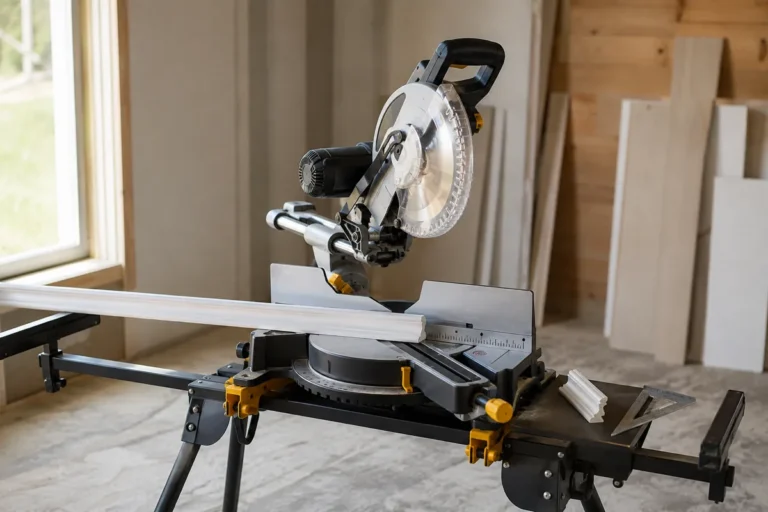
A reliable wet/dry shop vacuum is one of the most hardworking utility tools in any woodworking shop. Beyond simply cleaning up pileups of sawdust and chips around the workbench, models equipped with a dual-function detachable blower or high-velocity exhaust port serve a double purpose. They allow you to quickly clear fine dust out of tight machinery crevices, clear miter saw turntables, and blow off outdoor workspaces or driveways in seconds without hauling out a separate power tool.
However, choosing the right hybrid machine isn’t as simple as picking the model with the highest advertised horsepower rating. Tool manufacturers often rely on inflated performance figures, leaving woodworkers confused about what specs truly impact daily shop cleanup and tool dust collection. In 2026, making a smart purchase requires understanding how real-world airflow, filtration efficiency, hose geometry, and blower ergonomics interact. This guide cuts through the marketing clutter to highlight the critical features that actually matter for your workshop.
As an Amazon Associate we earn from qualifying purchases at no extra cost to you. Product prices and availability are accurate as of the date shown and are subject to change.
CFM vs. Sealed Pressure: The Metrics That Actually Count
When comparing shop vacuums, the two primary performance metrics you will see are Cubic Feet per Minute (CFM) and sealed pressure, commonly measured as inches of water lift. CFM measures the volume of air the vacuum moves per minute, which dictates how effectively the machine can capture lightweight, airborne fine dust and carry bulk materials through long hose runs. A higher CFM rating is essential when connecting your vacuum to benchtop power tools like table saws, routers, or jointers where dust generation is continuous and high-volume.
Sealed pressure, or water lift, measures the suction power of the motor when airflow is restricted or completely blocked. High water lift allows the vacuum to pick up heavy debris, such as wet sludge, nails, or dense hardwood cutoffs, and pull material through narrow attachments. While manufacturers frequently showcase “Peak Horsepower” on the box, this figure represents theoretical maximum motor output under short-circuit laboratory conditions rather than usable operational power. For general woodworking applications, prioritize a vacuum with balanced specs—ideally at least 90 to 100 CFM and 50 or more inches of water lift—rather than relying on horsepower numbers.
Blower Performance: Integrated Detachable vs. Rear Exhaust Port
Not all shop vacuum blower features are engineered equally. Budget dual-purpose vacuums often feature a simple static exhaust port on the back of the housing where you plug in the standard vacuum hose to redirect exhaust air out the front. While this setup works for roughly clearing debris from flat garage floors, it forces you to lug the entire heavy tank assembly around while maneuvering a stiff, unwieldy hose.
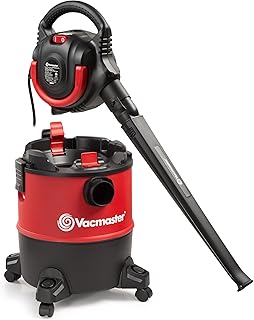
In contrast, true combination units feature a quick-release motor head that detaches entirely from the collection drum with the push of a latch, turning into a self-contained, handheld leaf blower. These detachable units include a dedicated ergonomic handle, balanced weight distribution, and a tapered blower nozzle designed to maximize air velocity. If you frequently clean machinery motors, clear sawdust from intricate jigs, or blow off jobsite debris, spending a bit more for a true detachable motor head delivers vastly superior usability compared to basic exhaust port redirection.
Filter Efficiency, HEPA, and Fine Dust Management
Woodworking generates fine particulate dust that quickly clogs standard paper filters and degrades motor performance. When choosing a shop vacuum, evaluate the filter design and upgrade options. Standard single-stage pleated filters are fine for large chips and coarse debris, but fine hardwood or MDF dust quickly coats the filter pleats, causing a drastic loss in suction and blowing fine dust back into your shop air.
To maintain steady suction and protect your lungs, look for machines compatible with high-efficiency cartridge filters and internal fleece filter bags. Filter bags act as a primary pre-filter stage, capturing fine dust inside an easily disposable bag while keeping the main pleated filter clean. If you plan to sand regularly or handle fine dust, consider a machine rated for true HEPA filtration, which captures particles down to 0.3 microns. Pairing your vacuum with a two-stage cyclone separator on a dedicated cart is another excellent strategy to extend filter life and maintain peak CFM during heavy milling sessions.
Hose Diameters, Flexibility, and Tool Adapters
The internal diameter of your vacuum hose dramatically impacts airflow volume and anti-clogging performance. Shop vacuums generally come with three standard hose diameters: 1.25-inch, 1.875-inch, and 2.5-inch. Smaller 1.25-inch hoses offer excellent flexibility and light weight, making them ideal for handheld sanders and detailed cleanup, but they restrict overall CFM and easily clog on large wood shavings or long wood slivers.
A 2.5-inch hose delivers maximum airflow for heavy shop cleanup and high-volume tools like planers, but the stiff, heavy hose can be awkward when attached to handheld power tools. For many woodworkers, a 1.875-inch hose provides the optimal balance of suction volume, flexibility, and clog resistance. Look for units that include flexible, anti-crush hoses with rubberized step-down universal adapters, allowing secure attachment to dust ports ranging from small palm sanders up to 2.5-inch port fittings on stationary machinery.
Tank Capacity, Mobility, and Drum Construction
Selecting the right tank capacity comes down to a trade-off between collection capacity and floor footprint. While a massive 16-gallon shop vacuum requires fewer trips to empty, it takes up substantial floor space and becomes heavy and awkward to maneuver when filled with damp debris or heavy hardwood chips. Small 4- to 6-gallon vacuums excel in compact, single-car garage shops or for mobile jobsite work, though they fill quickly during heavy jointing or planing sessions.
For most dedicated home workshops, a 10- to 12-gallon tank strikes the best balance of capacity and portability. Pay attention to caster design and chassis stability; wide-stance caster bases prevent top-heavy tipping when wheeling the unit over power cords or floor transitions. Additionally, consider polypropylene plastic tanks versus stainless steel options. Plastic tanks are lighter, immune to rust, and offer higher impact resistance, whereas stainless steel offers a sleek appearance but adds extra weight and can dent over time.
Tool Actuation and Noise Control: When to Spend More
If your budget permits, several convenience features can elevate your overall woodworking experience. Integrated power take-off outlets with auto-start functionality automatically turn on the vacuum when you switch on a connected power tool and keep running for a few extra seconds after shutoff to clear the hose. This feature turns your shop vacuum into an automated dust extractor, minimizing ambient dust during sanding or routing tasks.
Noise output is another crucial factor. Standard budget shop vacuums frequently operate above 85 to 90 decibels, requiring ear protection even during short cleanup tasks. Upgrading to a mid-tier or premium model with scroll noise reduction technology can drop operating noise significantly down to 70-75 dBA, creating a far more comfortable shop environment. Long power cords (at least 15 to 20 feet), integrated cord wraps, and onboard accessory storage clips also prevent clutter and save setup time during busy projects.
Related Guides
If you want to see which specific models performed best in our hands-on shop testing, check out our comprehensive roundup of the Best Shop Vaccums and Blower units available today.
FAQ
Can a shop vacuum blower replace a dedicated leaf blower?
A detachable shop vacuum motor can handle lighter yard duties like blowing off patios, driveways, and bench tops, but it generally lacks the total air volume of a dedicated gas or high-voltage cordless leaf blower. For clearing heavy wet leaves or wide outdoor areas, a standalone leaf blower is still recommended. However, for workshop dust control and light driveway cleaning, a dual-purpose unit is more than sufficient.
Why does my shop vacuum lose suction even when the tank is empty?
Loss of suction in an empty tank is almost always caused by a clogged filter or a restriction inside the hose or intake elbow. Fine wood dust coats the microscopic pores of the pleated filter quickly, blocking airflow even if no heavy debris is visible. Inspect and clean your filter, check the hose for stuck wood slivers, or install a fleece filter bag to keep air flowing freely.
Is a larger diameter hose always better for dust collection?
Not necessarily, as hose selection depends entirely on the tool and material being collected. A large 2.5-inch hose maximizes airflow volume for bulky wood chips, but it reduces air velocity and can be stiff and unwieldy on smaller hand tools. Smaller 1.25-inch or 1.875-inch hoses maintain higher air velocity through small tool dust ports and offer significantly better maneuverability for detail work.
Do I need a HEPA filter for general woodworking dust?
While basic pleated filters capture larger chips and visible sawdust, high-speed power tools like sanders and routers create microscopic dust particles that pass right through standard filter media. A high-efficiency or HEPA-rated filter traps these ultra-fine, respirable particles before they recirculate back into your shop air. If you spend significant time sanding or working with MDF and hardwoods, investing in a HEPA filter or pre-filter bag is highly recommended for lung health.