Parallel Clamps vs Pipe Clamps
Parallel clamps buy you square glue-ups and flat panels; pipe clamps buy you reach and raw pressure for less money. Here is how we judge the two, and where each earns rack space.
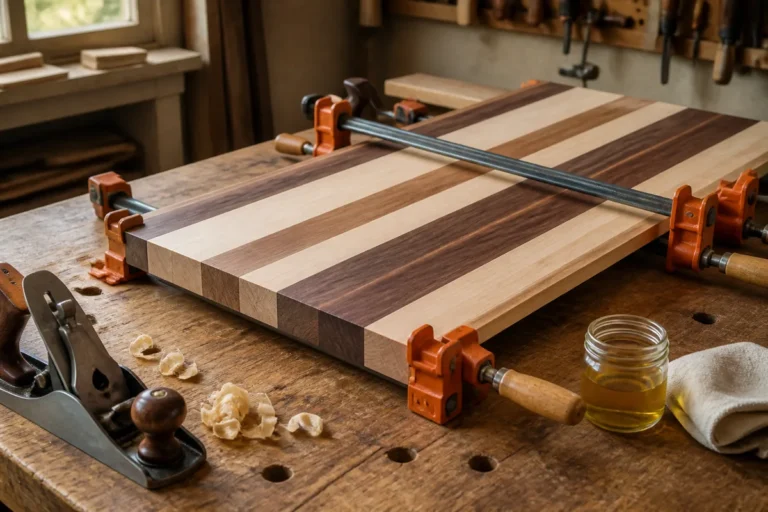
Parallel clamps buy you square glue-ups and flat panels; pipe clamps buy you reach and raw pressure for less money. Here is how we judge the two, and where each earns rack space.
An editorial guide to choosing the best clamps for woodworking, judged on jaw parallelism, rack resistance, throat depth and real shop economics.
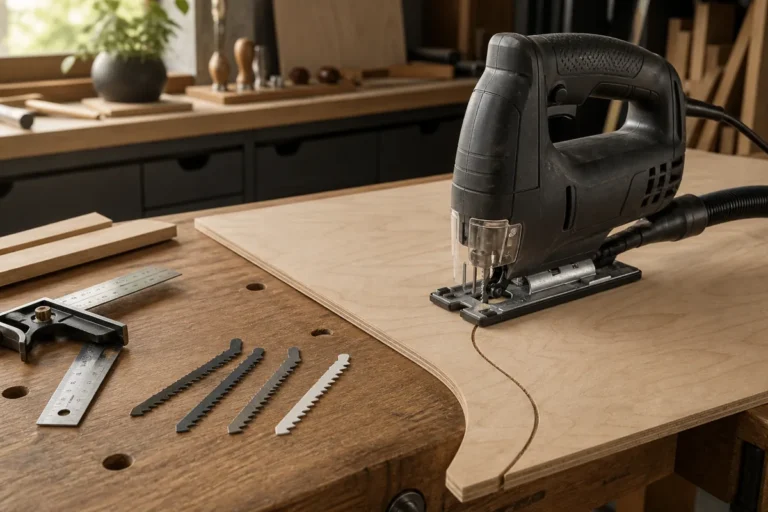
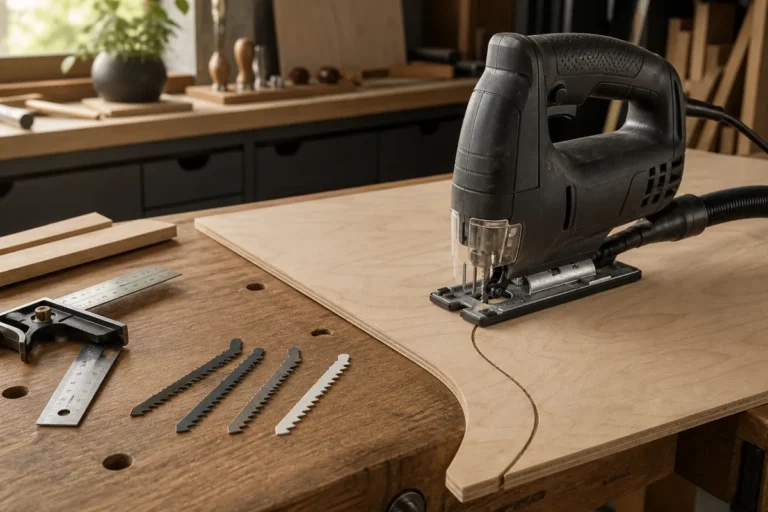
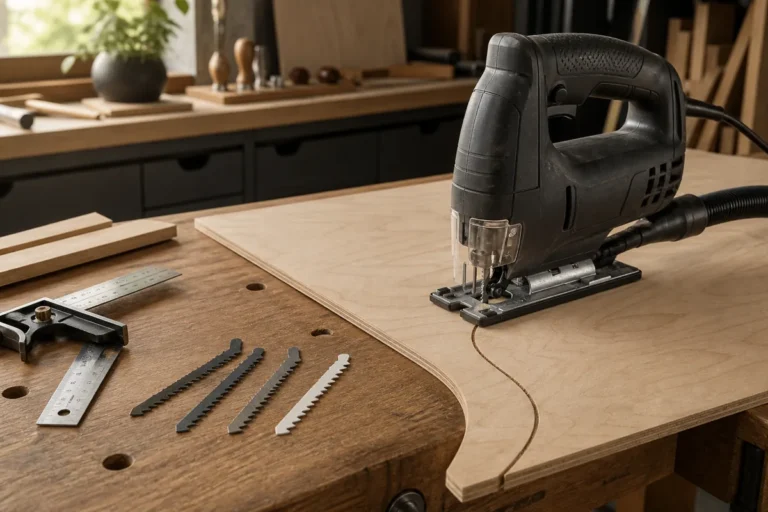
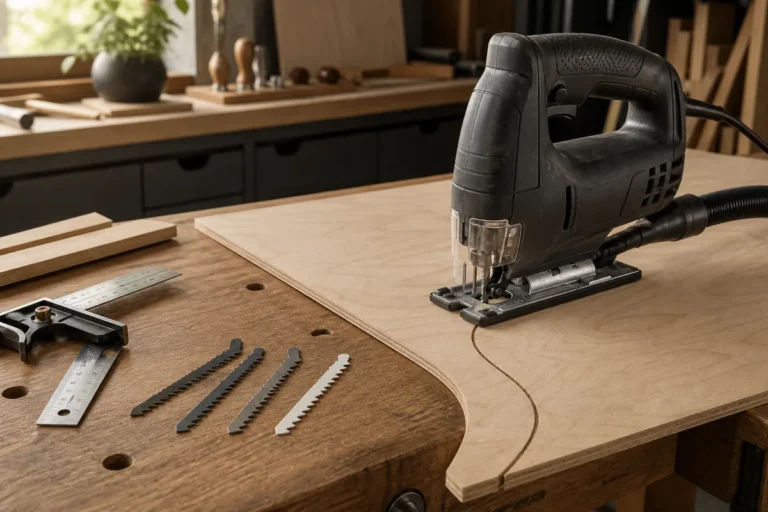
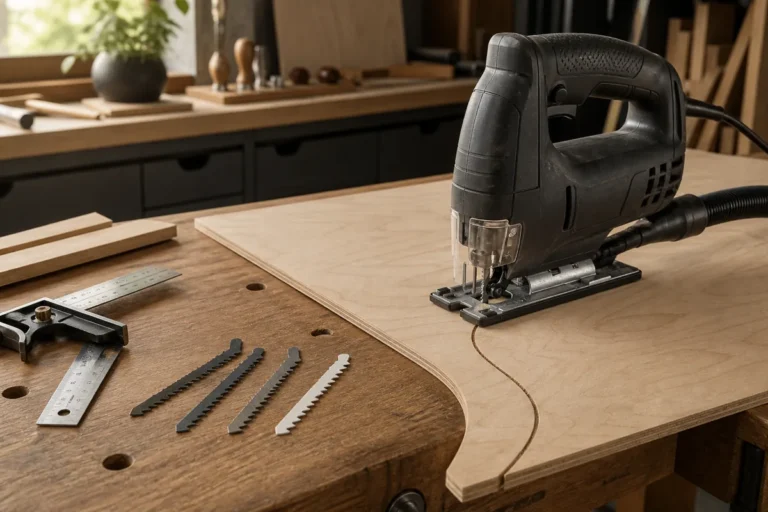
Why the best jigsaw for woodworking is decided by blade guidance and base plate rigidity rather than motor power, and how to judge the difference before you buy.
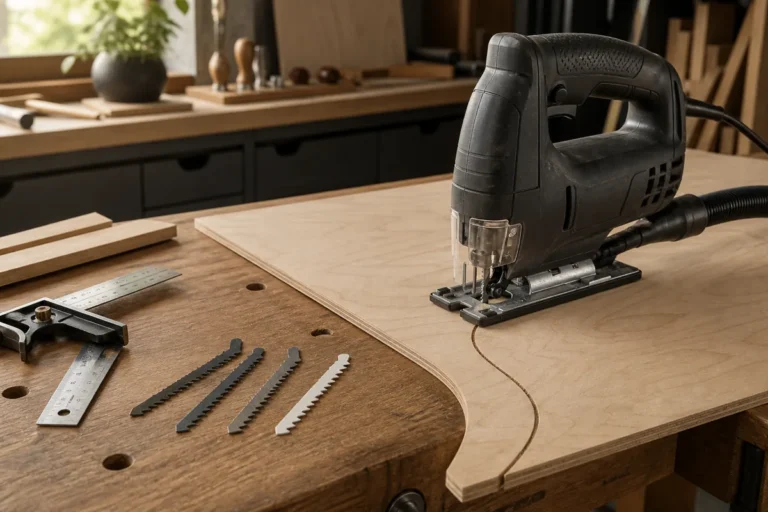
A buying guide to the best random orbital sander that focuses on pad control, dust capture and vibration rather than spec-sheet numbers.
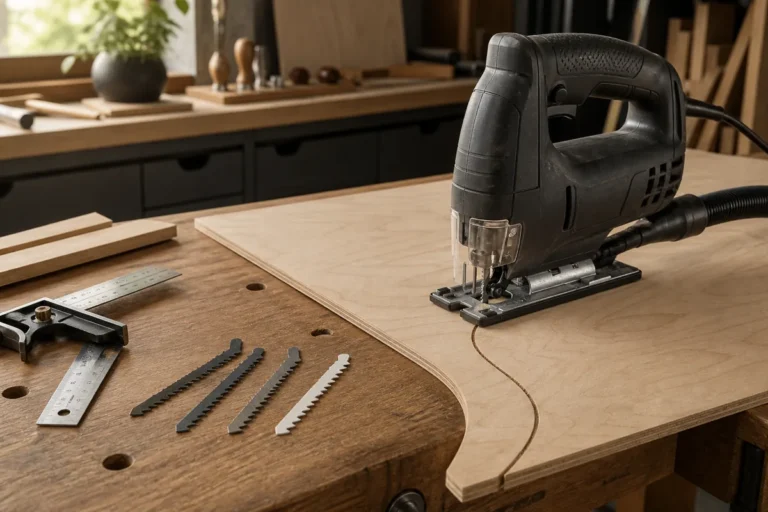
A benchtop planer is the gate between overpriced surfaced lumber and cheap rough stock, and the details that decide the good ones are not on the spec sheet.
A track saw buys straight, chip-free cuts in sheet goods without a table saw, but the rail and the base fit matter far more than the motor. Here is how we judge the category.
A miter saw either makes tight joints or it does not, and the reason is rarely the motor.
The most-used saw on any site, and the one people buy worst. Base plate quality beats every other spec.
The fence matters more than the motor. Here is how to choose a table saw that stays accurate.