How to Wax Jointer and Planer Tables for Smooth Stock Feeding
What's inside
As an Amazon Associate I earn from qualifying purchases. This post may contain affiliate links at no extra cost to you.
Contents
Why wax the tables
Clean, waxed jointer and planer tables let boards slide with less effort. That matters most with long, wide, or slightly rough stock: less pushing means steadier control and less chance of pausing mid-pass. Wax will not fix dull knives, a misaligned fence, or a table that is out of level. It is a low-cost maintenance step, not a substitute for machine setup.
Use a hard paste wax made for woodworking machinery, or a paste wax whose label confirms it contains no silicone. Silicone can transfer to wood and cause finish problems such as fisheyes. Avoid liquid furniture polish and spray lubricants; they may leave residue, attract dust, or contaminate stock. A silicone-free paste wax for machine tables is the straightforward choice. A small can lasts a long time.
What you need
Gather a clean rag or applicator, a separate soft cloth for buffing, and a plastic scraper or fine abrasive pad if the tables have stubborn residue or light surface rust. A fine nonwoven abrasive pad is less aggressive than coarse sandpaper, but use it gently and only where needed. Wear eye protection when cleaning, and disconnect the machine from power before working around the cutterhead or feed rollers.
For routine waxing, you do not need an expensive specialty kit. Clean rags and a tin of suitable paste wax are enough. If the table has active rust, deal with that first; waxing over rust traps the problem rather than solving it.
Clean and inspect the tables
Unplug the machine. Remove chips and dust with a brush or vacuum, then wipe the table with a dry cloth. If there is oily grime, use a cleaner that is safe for the table material and follow its directions. Let the surface dry completely. Do not spray cleaner into the machine or onto the cutterhead.
Check for pitch, glue, rust, and deep scratches. Scrape stuck residue carefully with a plastic scraper. For light rust, use a fine abrasive pad with a little suitable rust remover or lubricant, then wipe away all residue. Keep abrasives away from painted parts, and do not grind aggressively: removing table material can affect flatness. If rust is deep enough to pit the surface, wax will not restore it.
Cast-iron tables can develop surface rust when exposed to moisture or humid air. Aluminum tables do not rust in the same way, but they still collect resin and can benefit from cleaning and a compatible wax. Check the machine manual if you are unsure what cleaners or coatings are safe.
Apply a thin coat
Put a small amount of wax on the applicator—not directly on the machine—and spread a thin, even film over the table. A heavy coat is harder to buff and can leave wax buildup around edges or in grooves. Keep wax off belts, pulleys, cutterheads, drive rollers, and rubber feed rollers. On a planer, wax the bed and any exposed infeed or outfeed table surfaces, but do not coat the rollers that grip the board.
Follow the wax label for drying time. Many paste waxes need a few minutes to haze, but the product directions take precedence. Buff with a clean cloth until the surface feels dry and smooth rather than slick with visible residue. If the cloth drags, the wax may need more time to dry; if it smears, you may have applied too much.
For a new or freshly cleaned machine, one thin coat is usually enough. Add a second thin coat only if the surface still feels grabby after buffing. More wax is not automatically better.
Jointer and planer: where to wax
| Machine area | Wax it? | Practical note |
|---|---|---|
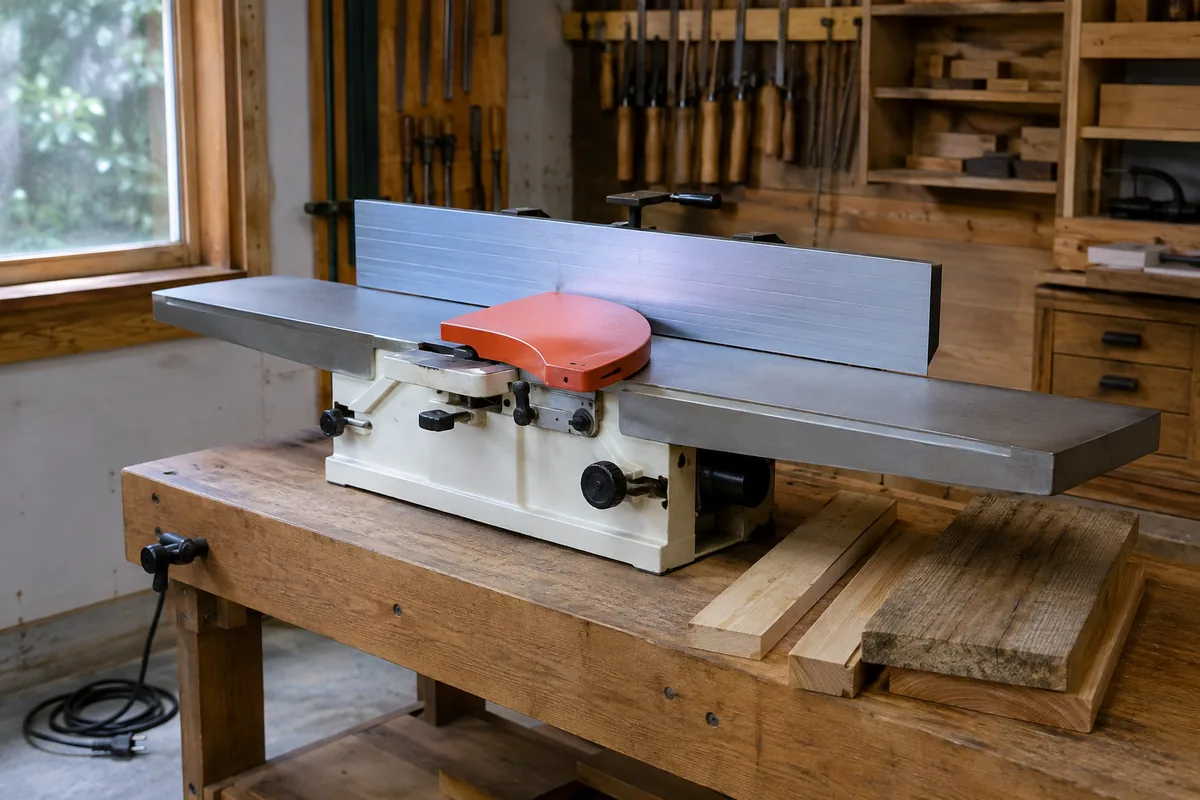
| Jointer infeed and outfeed tables | Yes | Buff fully so stock slides without a greasy film. |
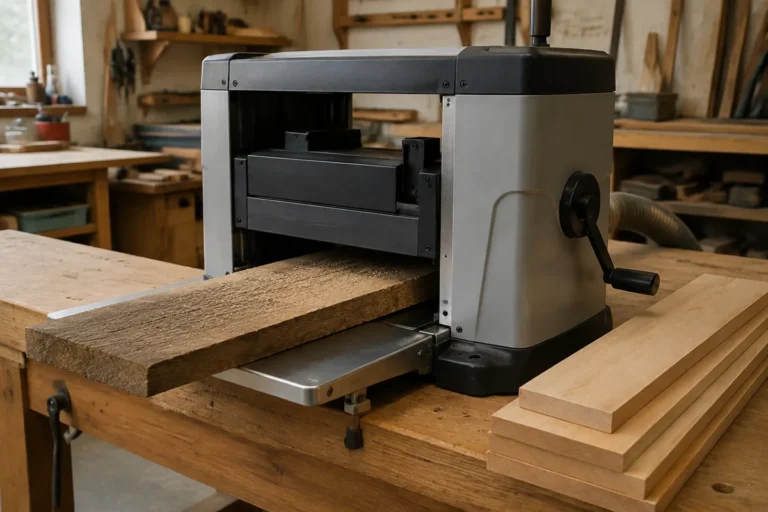
| Planer bed and extension tables | Yes | Pay attention to the area where boards first contact the bed. |
| Planer feed rollers | No | Wax can reduce grip and contribute to slipping or uneven feeding. |
| Fence faces and painted surfaces | Only if appropriate | Follow the manual; keep wax away from adjustment hardware and labels. |
On a jointer, a board should move across both tables without sticking, but the fence still needs to stay clean and set accurately. On a planer, reduced friction at the bed can help with longer stock, but feeding problems can also come from dirty rollers, worn knives, or insufficient pressure. Do not try to cure slipping by waxing more surface area.
How often to wax, and when to stop
Wax when stock begins to drag, not by a rigid calendar. For a home shop, that may mean every few weeks of regular use, or only a few times a year if the machines see occasional work and stay clean. Dust, resinous wood, humidity, and how often you clean the tables all affect the interval. Wipe down after use and check the surface before a difficult cut.
Test the result with a clean, flat scrap. It should slide without catching, and the wax should not rub off as a greasy streak. If it does, buff again with a clean cloth. If wood finishes later show fisheyes, stop using the wax, clean the machine and affected stock with a suitable silicone-removing method, and switch to a confirmed silicone-free product.
For occasional maintenance, a basic can of paste wax is the cheaper option and works well when applied sparingly. A dedicated machine-table wax can be convenient if its directions and ingredients suit your shop, but it is not necessary to pay extra for a label alone. The important parts are a clean surface, a thin coat, complete buffing, and keeping wax off components that need traction.