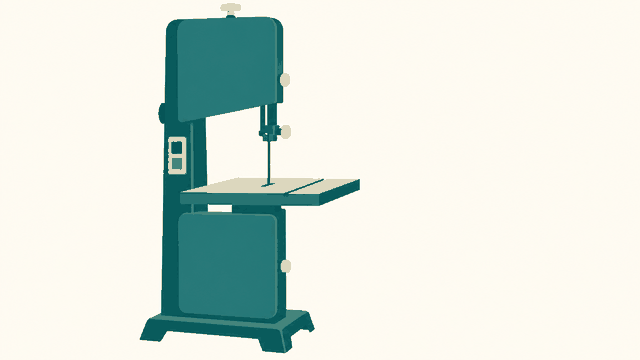
How to Remove Pitch from Band Saw Wheels and Tires
What's inside
As an Amazon Associate I earn from qualifying purchases. This post may contain affiliate links at no extra cost to you.
Pitch is the hard, sticky residue left by resin-rich wood. On a band saw, it can build up on the wheel rims and tires, then collect sawdust and make the blade track poorly. A small amount is usually harmless, but thick deposits can cause vibration, blade wandering, uneven tire wear, and premature blade damage.
The safest cleaning method depends on whether you are cleaning the metal wheel rim or the tire covering it. Do not treat both surfaces the same way. Rubber and polyurethane can be damaged by aggressive solvents, while a steel wheel rim can tolerate more mechanical cleaning.
Contents
Before You Start
Unplug the band saw. Do not rely on the power switch, especially if the machine has an electronic brake or a faulty switch. Open the wheel covers, release the blade tension, and remove the blade if it will make access safer. Wear safety glasses and cut-resistant gloves when handling the blade, but remove the gloves when working near rotating tools or powered equipment.
Take a quick look at the tires before cleaning. If the tire is cracked, loose, badly cupped, or separating from the wheel, cleaning will not fix the problem. A damaged tire should be replaced. Also check whether the residue is actually pitch. Grease, belt material, and rust require different treatments.
What You Need
For most jobs, gather a plastic scraper, nylon or brass brush, shop vacuum, clean rags, warm water, and a mild dish detergent. A stiff nylon brush is a good general-purpose choice because it removes softened pitch without cutting rubber. A wooden scraper or an old plastic putty knife works well for thick deposits.
If the pitch is severe, a citrus-based adhesive or resin cleaner can help, but confirm that the label is safe for rubber and polyurethane before applying it. A dedicated rubber-safe band saw tire cleaner costs more than household detergent but reduces the risk of swelling or softening the tire.
| Cleaning method | Best use | Advantages | Risks or limits |
|---|---|---|---|
| Warm water and mild detergent | Light pitch on rubber, polyurethane, or steel | Cheap, safe, and easy to rinse | Slow on old, hardened deposits |
| Plastic scraper and nylon brush | Thick deposits after softening | Good mechanical removal without sharp edges | Can gouge a soft tire if forced |
| Rubber-safe citrus or resin cleaner | Heavy, sticky buildup | Breaks down pitch faster | Must be tested; residue needs thorough removal |
| Metal scraper or wire wheel | Bare steel rim only | Fast on hard deposits and rust | Can cut tires and damage wheel surfaces |
Cleaning Rubber or Polyurethane Tires
Start by vacuuming loose sawdust. Then dampen a rag with warm water and detergent and work on a small area, roughly 2 to 3 inches long. Let the moisture sit for a few minutes, but do not soak the wheel. Scrape softened pitch with a plastic tool, keeping the scraper nearly flat against the tire. Finish with a nylon brush and wipe the residue away.
Work around the wheel in short sections. This lets you see whether you are removing pitch or starting to remove the tire itself. A tire should remain smooth and firmly attached. If small chunks come away, or the tire feels gummy after cleaning, stop and replace it.
For stubborn deposits, apply a small amount of rubber-compatible cleaner to a rag rather than flooding the tire. Test it on an inconspicuous spot and wait several minutes. If the surface becomes swollen, tacky, discolored, or soft, do not use that product. Cleaners marketed for rubber-safe citrus adhesive removal can work, but “citrus” alone does not guarantee compatibility.
Afterward, wipe the tire with a clean damp rag to remove cleaner and loosened pitch. Dry it completely before reinstalling the blade and applying tension. Do not dress the tire with silicone spray, belt dressing, oil, or tire shine. Those products can make the blade slip and attract more dust.
Cleaning the Steel Wheel Rim
With the tire removed, or where the rim is exposed beside the tire, scrape heavy pitch from the steel using a plastic scraper first. If a film remains, use a rag with mineral spirits or a suitable resin remover on the bare metal only. Keep solvents away from rubber tires, wheel bearings, seals, and painted surfaces. Mineral spirits are useful here, but they are not a universal tire cleaner.
For hardened deposits on an unpainted steel rim, a brass brush or fine abrasive pad is usually enough. Avoid aggressive grinding. Removing metal can create a high spot that changes wheel balance or blade tracking. If rust is present, clean it separately and leave the rim dry; a thin oily coating is not appropriate where the tire must grip the rim.
Methods That Commonly Cause Damage
Do not scrape a tire with a utility knife, chisel, razor blade, or screwdriver. Even a shallow cut can grow as the tire flexes. Avoid acetone, lacquer thinner, brake cleaner, gasoline, and strong paint strippers unless the tire manufacturer specifically approves them. These solvents may extract plasticizers from rubber or attack polyurethane.
Do not clean the wheel with the saw running. Some woodworkers hold sandpaper or a scraper against a powered wheel, but this creates a serious entanglement hazard and can pull fingers into the tire. It also makes it easy to remove material unevenly.
Preventing Future Buildup
Pitch is often a blade and wood-preparation problem. Keep blades sharp and use the correct tooth pattern for the material. A dull blade generates heat and transfers more resin. Clean dirty lumber before cutting, especially reclaimed boards with mud, bark, or old finish. For resinous species, a blade cleaner used off the machine can reduce buildup; shop owners who cut a lot of pine may find a band saw blade cleaning brush worthwhile.
Inspect the tires every few blade changes. Light residue is easier to remove in five minutes than a thick ring that has hardened for months. If pitch returns quickly after cleaning, check blade sharpness, tracking, tire condition, and whether the wheel bearings are running smoothly. Persistent buildup can be a symptom of a larger setup problem rather than a dirty wheel.