
Key takeaways
- Compare the best parallelogram jointer with a cast iron bed for a home woodworking shop, covering bed length, cutterhead, fence, dust collection and power.
What's inside
As an Amazon Associate I earn from qualifying purchases. This post may contain affiliate links at no extra cost to you.
A parallelogram jointer is a once-in-a-decade purchase for most home shops, so the real decision is not which brand looks best. It is whether a heavy, floor-standing machine with long cast iron beds will stay flat and square in your garage, and whether you have the power and floor space to run it. Benchtop jointers are cheaper and easier to store, yet their tables are too short to flatten long boards without rocking, and their fences flex under hand pressure. With rough lumber, that limitation shows up on every glue-up.
This guide is for home woodworkers who flatten rough-sawn boards, build furniture from wide hardwood, and want one machine that holds its settings between sessions. It also suits garage shops moving up from a benchtop jointer and makers who edge-joint long boards for tabletops. The pick below was chosen from the name and specifications shown on the Amazon listing, and only the Powermatic PJ-882HH cleared every check for a true parallelogram design, cast iron beds, and a verifiable listing.
Contents
Quick Picks
As an Amazon Associate we earn from qualifying purchases.
| Product | Best for | Key spec from title |
|---|---|---|
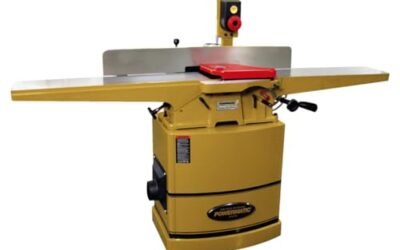
| Powermatic 8-Inch Parallelogram Jointer, Helical Cutterhead, 2 HP, 1Ph 230V (PJ-882HH) | Home shops flattening long, wide hardwood boards for furniture | Helical cutterhead, 2 HP, 1Ph 230V |
How to Choose
Bed Length and Cast Iron
Bed length decides how straight a board comes off the jointer, because a board is only supported where it touches the tables. An 82-inch bed supports long furniture stock through the whole cut, while a 30-inch benchtop bed lets a four-foot board rock and taper. Cast iron adds the mass that damps vibration and keeps the tables flat under load, and precision-ground cast iron beds resist wear far better than aluminum or steel stampings. Check the overall bed length in the listing, not just the cutting width, and confirm the tables are cast iron rather than a lighter material. For home shops milling boards over four feet long, a long cast iron bed is the single most useful feature.
Parallelogram Table Adjustment
A parallelogram mechanism moves the infeed and outfeed tables on four pivot arms, so each table stays parallel to the cutterhead as it rises and falls. That matters because the outfeed table must sit level with the top of the cutterhead arc, and a dovetail-way table can drift out of parallel as it slides. With parallelogram adjustment, changing the depth of cut does not disturb the relationship between the tables, which keeps face jointing consistent across a full session. Look for lever or handwheel adjustment with a depth scale, and check that the tables lock once set. If a listing does not name the parallelogram design, treat the claim with care and confirm it in the specifications.
Cutterhead Type
Straight knives cut with a single long edge, which is simple to sharpen but noisy and prone to tearout in figured grain. A helical cutterhead uses dozens of small four-sided carbide inserts arranged in rows, and each insert shears the wood at a slight angle, leaving a cleaner surface with less tearout and less noise. When an insert dulls or nicks, you rotate it to a fresh edge instead of removing and resetting a full knife, which saves setup time in a home shop. The Powermatic in this guide uses 54 four-sided inserts. Check how many inserts the head carries and whether replacements are easy to find, because a helical head is only convenient when inserts stay available.
Fence and Dust Collection
The fence is what keeps an edge square, so it must be tall, rigid, and easy to lock at 90 degrees without drifting. A cast iron fence with positive stops at 45 and 90 degrees handles bevel cuts and returns to square without repeated checking, while a short aluminum fence can flex when you press a heavy board against it. Look for a fence that slides smoothly across the tables and locks with one lever. Dust collection matters just as much in a home shop, where chips pile up fast: a four-inch dust port connected to a collector keeps the tables clear and the air cleaner. Confirm the port size in the listing before you plan your ducting.
The 1 Best Option
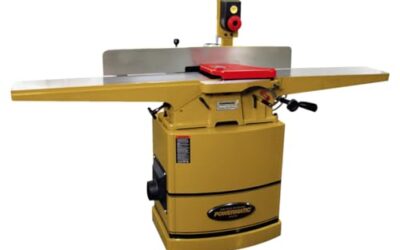
Powermatic 8-Inch Parallelogram Jointer, Helical Cutterhead, 2 HP, 1Ph 230V (PJ-882HH)
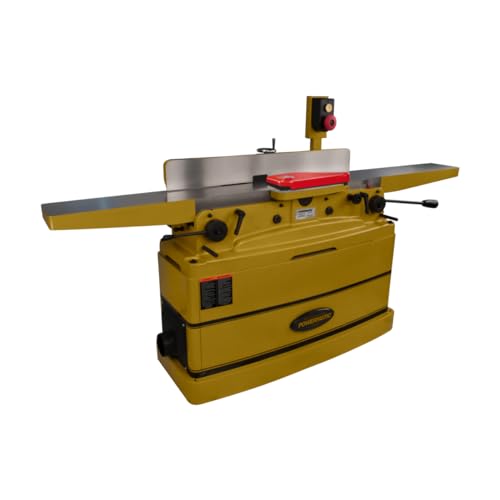
The Powermatic PJ-882HH suits a home woodworker who has settled on one floor-standing jointer and wants it to last. Its 82-inch bed and 2 HP motor handle long hardwood boards without bogging down, while the helical cutterhead with 54 four-sided inserts leaves a clean surface on figured grain and runs quieter than straight knives. The parallelogram tables hold their alignment when you change depth, and the cast iron construction damps vibration during heavy cuts. It needs 230-volt power and a permanent spot in the shop, so it fits owners who have already wired a dedicated circuit and cleared the floor space.
Specs
- 8-inch cutting width with an 82-inch overall bed length
- Helical cutterhead with 54 four-sided knife inserts
- 2 HP motor, 1Ph, 230 volts, corded electric
- Precision-ground cast iron tables; material listed as cast iron and steel
- Fence tilts with positive stops at +/- 45 and 90 degrees, adjusted by a single handwheel
- Product dimensions 87.5 x 28.75 x 43.25 inches; item weight 610 pounds
- Five-year warranty; part number 1610082; model PJ-882HH
- Includes cutterhead guard, two push blocks, hex wrenches, star-point screwdrivers, 10 knife insert screws, five knife inserts, owner’s manual, and warranty card
- Not discontinued by manufacturer
Best for: Home shops flattening long, wide hardwood boards for furniture and panels.
Watch out for: Confirm you have a 230-volt circuit, a clear run of floor space for an 87.5-inch-long machine, and a delivery path for a 610-pound machine before ordering.
Which One Fits Your Situation
You Mill Rough Lumber in a Garage Shop
If most of your stock arrives rough-sawn, the Powermatic PJ-882HH is the pick. Its 82-inch cast iron bed supports long boards through the cut instead of letting them rock, and the 2 HP motor keeps cutting through dense hardwood without stalling. The helical cutterhead handles grain changes in rough stock with less tearout than straight knives. Plan a fixed spot for it, since it is a floor-standing machine that needs 230-volt power and room to feed boards from both ends.
You Build Furniture from Wide Hardwood Boards
Furniture work means face-jointing boards up to eight inches wide and edge-jointing long pieces for panels and tabletops. The Powermatic PJ-882HH covers that width in a single pass and keeps its tables parallel through parallelogram adjustment, so glue edges come out straight and square. Its cast iron mass damps vibration on heavy cuts, which shows in the fit of the finished joints. Measure your longest boards against the 82-inch bed before you commit.
You Work with Figured Grain and Want Less Tearout
Curly maple, figured cherry, and wild-grained walnut tear out badly under straight knives, and that is where the Powermatic PJ-882HH earns its place. Its helical cutterhead carries 54 four-sided carbide inserts that shear the wood in small bites, leaving a cleaner surface with less tearout. When an insert nicks, rotate it to a fresh edge rather than resetting a full knife. This is the right choice when figured stock is a regular part of your projects.
You Want One Jointer to Keep for Years
Some home woodworkers would rather buy one solid machine than upgrade twice. The Powermatic PJ-882HH fits that plan: heavy iron castings, a five-year warranty, parallelogram tables that hold alignment, and a helical head with replaceable inserts. It demands 230-volt power and a permanent home in the shop, so it suits owners who have already settled their layout. If you are still rearranging a shared garage, sort the floor space and wiring first.
Common Mistakes
- Buying a benchtop jointer for long boards: short tables let four-foot and longer boards rock, so faces come out tapered even when the cutterhead is sharp.
- Ignoring the power requirement: many floor-standing parallelogram jointers run on 230 volts only, so check your panel and circuit before the machine arrives.
- Forgetting delivery and floor space: a machine listed at 610 pounds and 87.5 inches long needs a clear delivery path, a level floor, and room to feed stock from both ends.
- Choosing straight knives for figured wood: straight knives tear figured grain more readily, so weigh cutterhead type against the species you mill most often.
- Skipping dust collection planning: jointers produce a large volume of chips, so confirm the dust port size and collector capacity before the first cut.
Frequently Asked Questions
What is a parallelogram jointer, and why does it suit a home shop?
A parallelogram jointer moves its infeed and outfeed tables on pivot arms, so both tables stay parallel to the cutterhead as you raise or lower them. That keeps the outfeed table level with the cutterhead and holds settings between sessions. For buyers comparing the best parallelogram jointers with cast iron beds for home woodworking shops, this design is the reason a floor-standing machine stays accurate longer than a dovetail-way jointer.
Is an 8-inch jointer with cast iron beds enough for furniture work?
For most home furniture work, yes. An 8-inch width face-joints the boards used for cabinet doors, face frames, table aprons, and panels in one pass, and a long cast iron bed supports the stock through the cut. Wider boards need ripping first or a wider machine. If you regularly mill slabs or panels wider than eight inches, consider a 12-inch jointer instead of forcing wide stock through an 8-inch machine.
Do parallelogram jointers need 230-volt power?
Most full-size 8-inch parallelogram jointers do, including the Powermatic PJ-882HH, which runs on a 2 HP, 230-volt, single-phase motor. Some smaller 6-inch machines run on standard household current, but they give up bed length and capacity. Check the voltage in the listing, confirm your panel has a spare 230-volt circuit, and have an electrician add one if needed before delivery.
How much floor space does a floor-standing jointer need?
Allow the full machine footprint plus infeed and outfeed clearance for your longest boards. The Powermatic PJ-882HH measures 87.5 inches long, and you need several feet of clear space at each end to feed and catch stock safely. Add room to stand at the fence side and to walk around the machine for adjustments. In a small garage, map the footprint with tape on the floor before ordering.
Related guides
More from Amazon
Programs that pair well with the guide above. Offers and eligibility are set by Amazon and may change.
A free business account with business pricing and bulk-buying tools for work, shop or home office.
Create a business accountFree shipping on eligible items, Prime Video and more. Eligible new members can start with a free trial.
Start a Prime free trialAudiobooks and podcasts to listen to on the go. Eligible new members can start with a free trial.
Try Audible freeAd-free music streaming. Eligible new subscribers can start with a free trial.
Try Music Unlimited freeAs an Amazon Associate we earn from qualifying purchases.
Write Your Review
No reviews yet. Be the first to share your experience!